

Circle won't freeze your USDC without a court order, and that is a problem
I've spent years watching the tug of war between the promise of "censorship resistance" and the reality of corporate stablecoins. Circle has always positioned USDC as the "compliant" choice, but their recent stance on freezing funds is a bit of a paradox. They claim they won't freeze your assets without a legal mandate, which sounds like a win for the user. But if you're actually wondering how to protect usdc from being frozen, you need to realize that a court order is essentially a programmable kill switch.
The reality of the "court order" promise
Circle's policy is simple. They don't want to be the ones deciding who is a "bad actor" on a whim. Instead, they wait for a judge to tell them to freeze an address. On the surface, this is better than Tether's approach, where USDT can be frozen more proactively based on internal risk assessments or requests from law enforcement that don't always have a public court filing attached.
But here is the catch. A court order is the gold standard for legal coercion. Once a judge signs off, Circle has no choice but to comply, or they risk their own license to operate. In my experience, this doesn't actually protect the user; it just shifts the burden of proof to a legal system that is often slow, opaque, and heavily skewed toward the state.
Why this is a double edged sword
If you are a law abiding citizen, this policy feels safe. You aren't worried about a random glitch or a corporate mood swing wiping out your liquidity. But for the people who actually care about the philosophy of crypto, this is a nightmare.
The whole point of using a blockchain is to remove the middleman. When you use USDC, the middleman is still there, just hiding behind a legal document. If the US Treasury decides your wallet is linked to a sanctioned entity, they don't need to hack the blockchain. They just send a PDF to Circle.
I've seen this tension play out since I started following the markets in 2019. We want the stability of the dollar, but we hate the control of the central bank. USDC gives us the stability, but it keeps the control.
How to protect usdc from being frozen
If you are truly worried about censorship, you have to stop thinking about "protecting" a centralized asset. You can't. You don't own USDC; you own a promise from Circle that they will give you a dollar.
To actually mitigate this risk, you have two real options. First, diversify into decentralized stablecoins like DAI, which don't have a single corporate entity that can flip a switch on your funds. Second, move your assets off exchanges. While a hardware wallet like a Ledger can't stop Circle from freezing the USDC contract itself, it does stop an exchange from locking your account before a court order is even issued.
Where I land on this
I'm not a purist. I use USDC because it's liquid and generally reliable. But I refuse to pretend that it is "safe" from a systemic perspective.
The "court order" policy is a PR win for Circle, but a structural failure for the idea of decentralized finance. It tells us that our money is only ours as long as the government doesn't disagree. That's a precarious place to be, especially when you remember how quickly the financial system can turn on ordinary people. I'll keep using stablecoins for trading, but I'll never trust them with my long term survival.
Related Tickers
Some links in this article may be affiliate links. We may earn a commission at no extra cost to you — this never influences our analysis or coverage.

Sigrid Voss
Crypto analyst and writer covering market trends, trading strategies, and blockchain technology.
More Articles
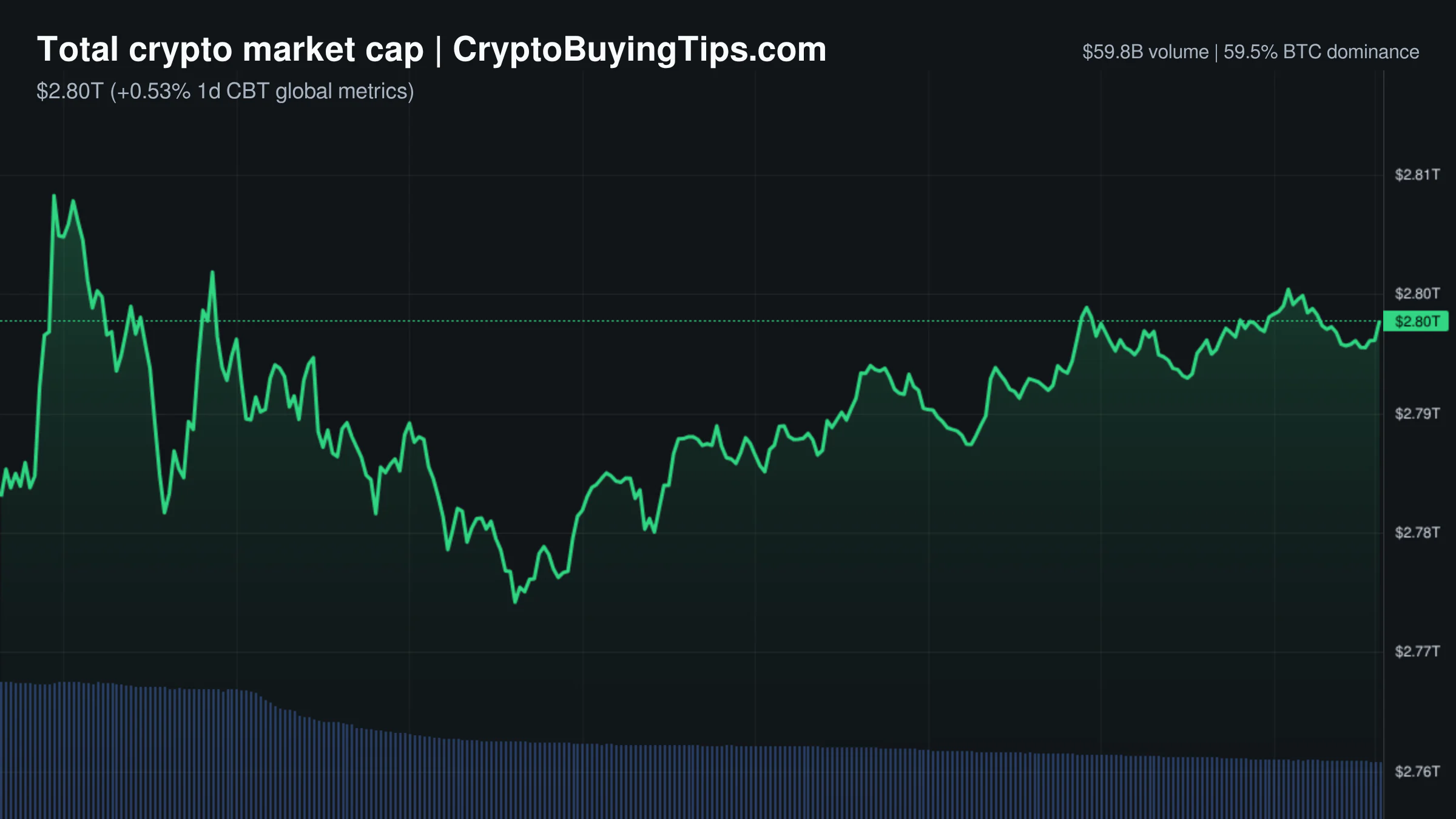
Crypto Market Overview | Liquidity vanishes as spot volume drops while derivatives remain bloated | October 10, 2026
Spot volume drops while derivatives remain bloated in today's crypto market overview; see what our data shows about…

HSBC is building AI payment rails while OpenAI war-games a catastrophe
The financial world seems to be installing high-end pipes while simultaneously rehearsing for an earthquake.…
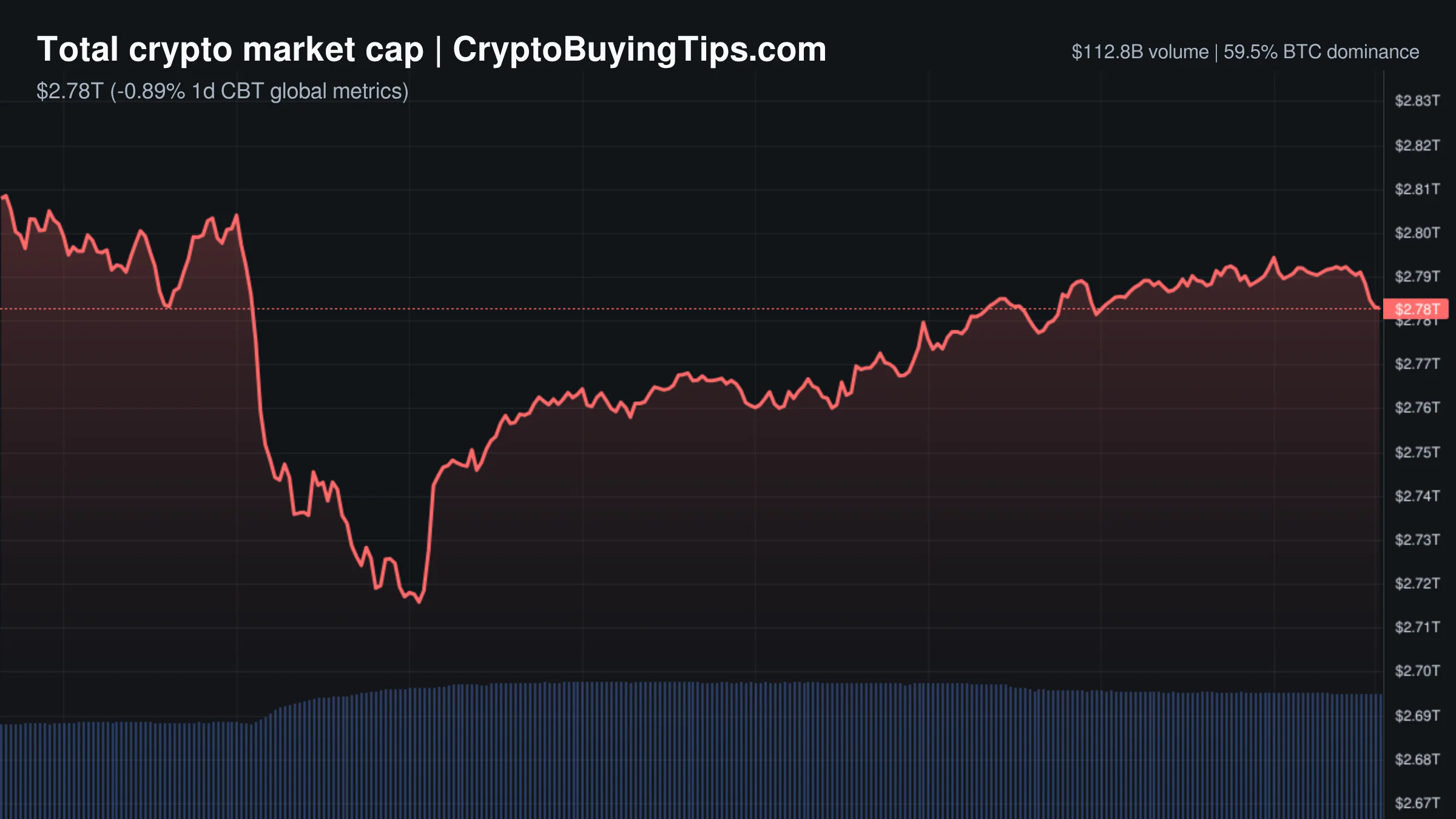
Crypto Market Overview | Volume surges amid regulatory friction and institutional accumulation | October 9, 2026
Crypto market overview shows volume surging amid price dips; see how institutional accumulation contrasts with…

Ethereum gas fees are at a standstill. Here is why that is actually a warning
The quiet cost of transactions on Ethereum might feel like a bargain for beginners. Our read is that persistently low…