

European banks are finally using stablecoins. Is that actually good news?
I've spent the last few years watching banks treat crypto like a weird science experiment. They'd release a "strategic report" about blockchain, then go back to using legacy systems that look like they were built in 1994. But something shifted recently in Europe. Banks are moving from talking about stablecoins to actually issuing them. For most of us, the big question is the difference between usdt and bank stablecoins, and whether this move by the big players actually helps the average user or just gives banks more control.
The case for bank stablecoins
The argument for bank-led stablecoins is simple: trust and efficiency. If you're a corporate treasurer moving 50 million euros, you aren't going to use a platform that doesn't have a banking license and a clear regulatory framework. European banks are building these tools to solve the "T+2" settlement problem. Right now, when you move money between banks, it takes days to actually clear. A stablecoin on a ledger happens almost instantly.
I see this as a win for the plumbing of the financial system. It's not flashy, but it's practical. When banks use stablecoins for cross-border payments, it removes the friction that makes international business expensive. It also gives them a way to compete with the speed of the internet.
The strongest counterargument
Here is where I get skeptical. The whole point of the 2019 era of crypto was to move away from "permissioned" money. Bank stablecoins are the opposite. They are fully permissioned. The bank can freeze your funds, reverse transactions, or block your account for any reason they deem necessary.
If we move toward a world where every stablecoin is just a digital version of a bank account, we lose the censorship resistance that makes crypto interesting. We've already seen this trend in Hong Kong, where banks like HSBC are stepping in to regulate the space. It feels like the "wild west" is being fenced in, and while that's safer for the banks, it's less liberating for the users.
The difference between usdt and bank stablecoins
To understand the risk, you have to look at the difference between usdt and bank stablecoins in terms of who holds the keys. Tether (USDT) operates as a private company. While they've had their share of transparency issues over the years, they aren't a traditional commercial bank. They don't have the same "know your customer" (KYC) hurdles for every single single transaction that a European bank will require.
Bank stablecoins are essentially just database entries that the bank promises to honor. There is no "bridge" to a decentralized world here. It's just the same old banking system with a faster engine. If you want to actually move your assets off the grid, a bank-issued token won't help you.
Where I land
I'm torn on this. On one hand, I want the financial system to be faster. On the other, I don't want banks to have a digital leash on every single cent we own. I think the "institutional adoption" narrative is often sold as a bullish signal for prices, but for the philosophy of crypto, it's a bit of a compromise.
If you're looking for a way to actually hold assets without relying on a traditional bank's permission, I still prefer using a hardware wallet. I use a Ledger to keep my assets away from any entity that can flip a switch and freeze my funds.
In the end, bank stablecoins will probably win the corporate war because they are "safe." But for those of us who actually care about financial sovereignty, they're just a faster way to stay inside the system. I'll keep my eye on how the European markets react, but I'm not trading my privacy for a slightly faster settlement time.
Some links in this article may be affiliate links. We may earn a commission at no extra cost to you — this never influences our analysis or coverage.

Sigrid Voss
Crypto analyst and writer covering market trends, trading strategies, and blockchain technology.
More Articles
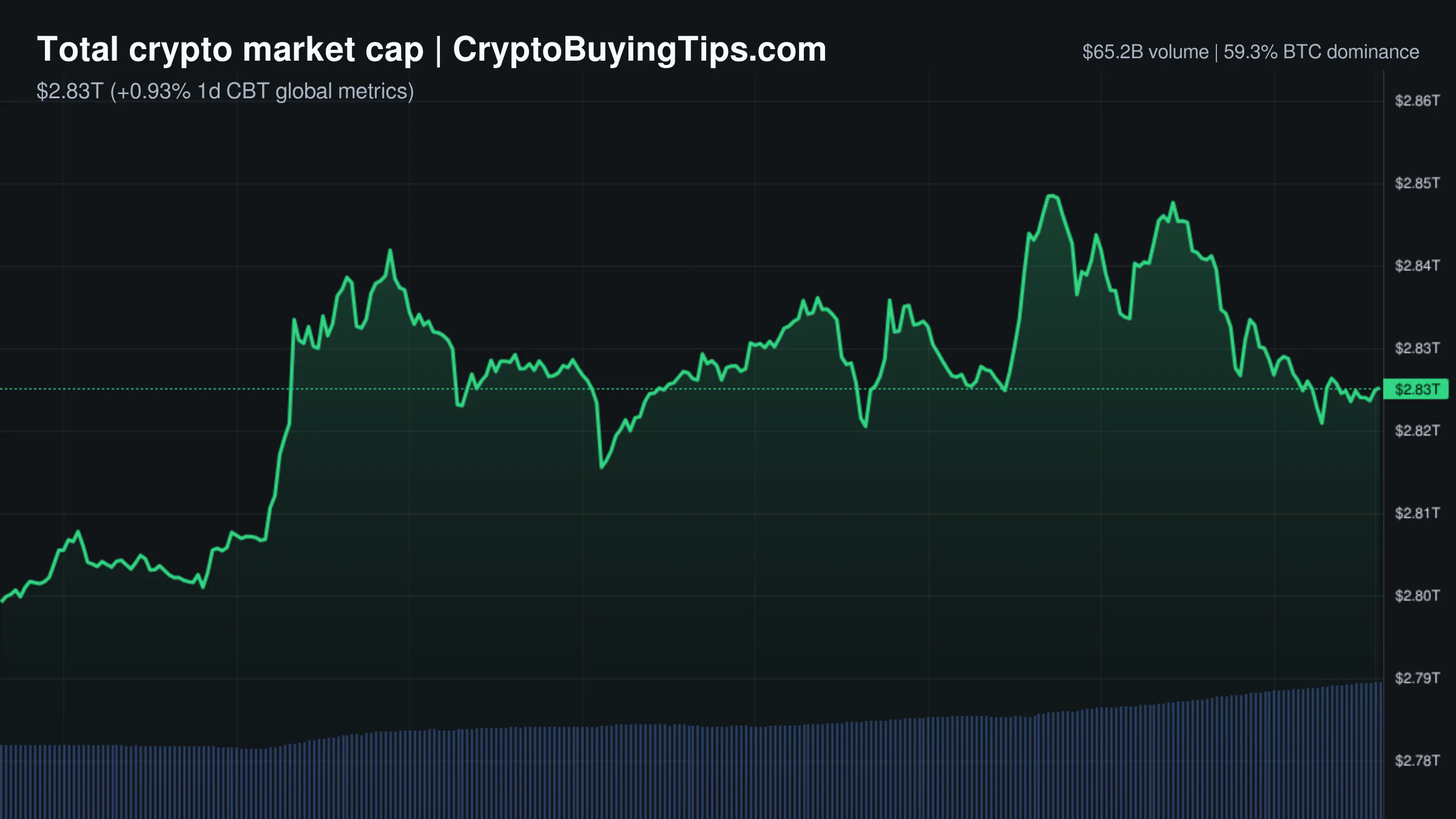
Crypto Market Overview | Derivatives volume surges amid banking integration and regulatory tension | October 12, 2026
Derivatives volume surges amid banking integration and regulatory tension, showing high activity but muted price action…

BTC and ETH ETFs are bleeding while XRP is the only institutional winner
The narrative suggests endless accumulation, yet ETF outflows signal that big players have paused their spending spree.…
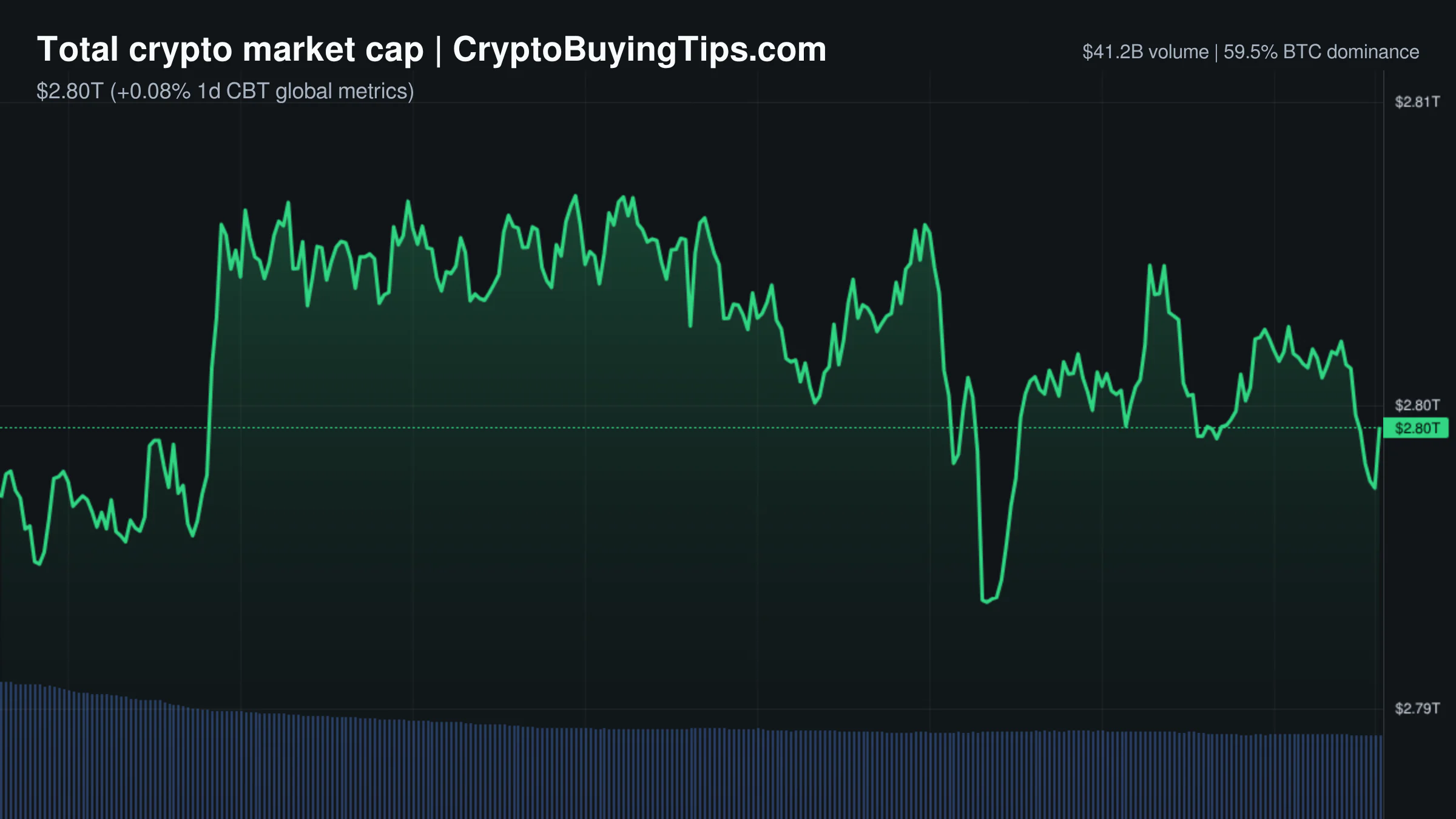
Crypto Market Overview | volume collapse amid regulatory focus on event contracts | October 11, 2026
Crypto market overview shows volume collapse amid regulatory focus on event contracts, with spot and derivatives…

StarkNet is ripping but the altcoin season narrative is a lie
StarkNet's recent surge has the usual crowd convinced an altcoin season has arrived; our data suggests this rally is…