
The Drift exploit is a warning that your stablecoin choice actually matters
Most people treat stablecoins like interchangeable chips in a casino. They think a dollar is a dollar, whether it is USDC or USDT. But the recent $280 million exploit on Drift Protocol proves that this is a dangerous assumption. If you are wondering what is the safest stablecoin for defi, you have to look past the price peg and start looking at the "kill switch" and the recovery options.
What happened with Drift
A logic flaw in the vault mechanism of Drift Protocol allowed an attacker to drain a massive amount of funds. While the technical bug is the headline, the aftermath is where the real story lives. Drift shifted its preference from USDC to USDT.
That is a massive pivot. For years, USDC was the "safe" choice for DeFi because of its transparency and US regulatory alignment. USDT was the "risky" one, often criticized for its opaque reserves. Now, a protocol is moving toward the one that was historically seen as less transparent. Why? Because when things go wrong, the ability to recover funds is more important than a clean balance sheet.
Why the "safest" stablecoin is a myth
I've been watching this space since 2019, and the narrative around stablecoins is always shifting. We used to think "safe" meant "regulated." But the Drift situation, combined with what I've seen with Circle's policies, shows that regulation can be a double-edged sword.
If a stablecoin issuer can freeze your funds, that is a risk. But if they can't or won't freeze funds after a hack, that is also a risk. I wrote about this recently when Circle indicated they wouldn't freeze USDC without a court order. In a fast-moving exploit, waiting for a judge to sign a paper is a death sentence for your capital.
When you ask what is the safest stablecoin for defi, you are actually asking two different questions:
- Is the coin likely to lose its peg?
- If my funds are stolen, can the issuer help me get them back?
USDT is often criticized, but its "centralized" nature means Tether can move quickly to blacklist addresses. For a protocol like Drift, that utility is more attractive than the perceived purity of USDC.
Where I land on DeFi risk
I'm not saying you should dump all your USDC for USDT. I'm saying you need to stop pretending there is no trade-off.
If you hold your assets on a centralized exchange, you are trusting the exchange's security. If you move to DeFi, you are trusting the protocol's code AND the stablecoin's issuer. It is a layered cake of risk. I've seen too many people ignore the stablecoin layer until it is too late.
My approach is simple. I don't trust any single point of failure. I use hardware wallets to keep my core holdings away from the "honeypots" of DeFi. I prefer the Ledger Flex because the E Ink touchscreen lets me actually see what I am signing. It is much harder to accidentally approve a malicious contract when you can read the transaction clearly on a screen instead of guessing based on a few lines of hex code.
What this changes for your strategy
The Drift exploit tells us that the "regulatory gold standard" doesn't protect you from a smart contract bug. If the code fails, the only thing that matters is the recovery mechanism.
Stop looking for a "safe" coin and start diversifying your stablecoin exposure. Don't put all your liquidity into one issuer. If you are providing liquidity on Solana or Ethereum, split your stables. It is a small amount of extra work for a lot of peace of mind.
And for the love of everything, get your assets off exchanges. The market is in a "Bitcoin Season" right now, with the Altcoin Season Index sitting at 38, meaning most of the money is flowing into BTC. While you wait for the rotation into alts, don't leave your capital in a place where a single API leak or a rogue employee can wipe you out. Use a hardware wallet, diversify your stables, and stop trusting that the "safe" choice is actually safe.
Some links in this article may be affiliate links. We may earn a commission at no extra cost to you — this never influences our analysis or coverage.

Sigrid Voss
Crypto analyst and writer covering market trends, trading strategies, and blockchain technology.
More Articles
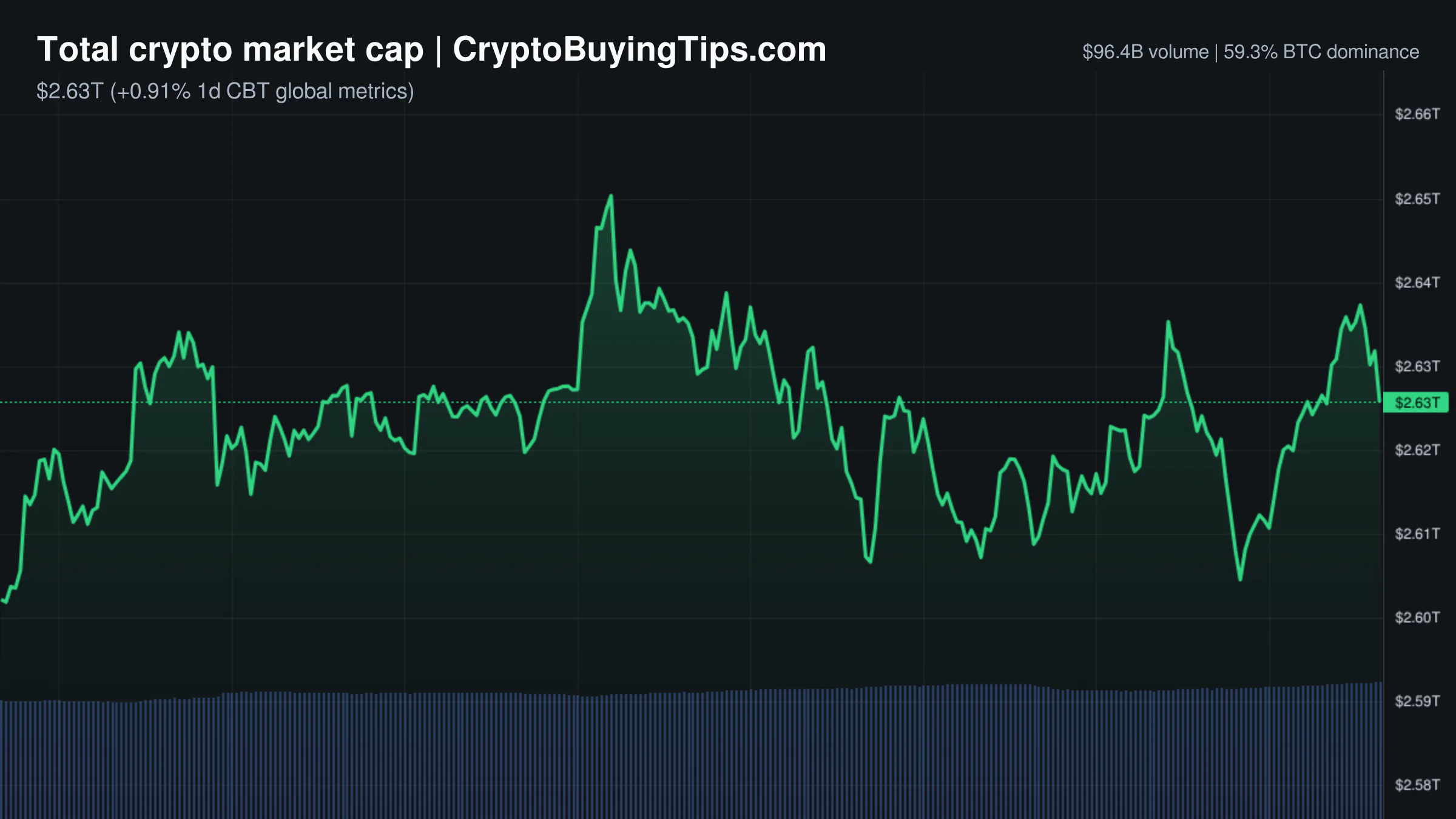
Crypto Market Overview | Leverage-driven rally amid strong ETF inflows as BTC targets 80k | August 24, 2026
Leverage-driven rally sees BTC near 80k amid strong ETF inflows; see our market overview on current crypto dynamics.

Derivatives volume is 8x higher than spot. Here is why that is a warning
The market's current price action seems to be driven by bets rather than cash; with derivatives volume eight times…
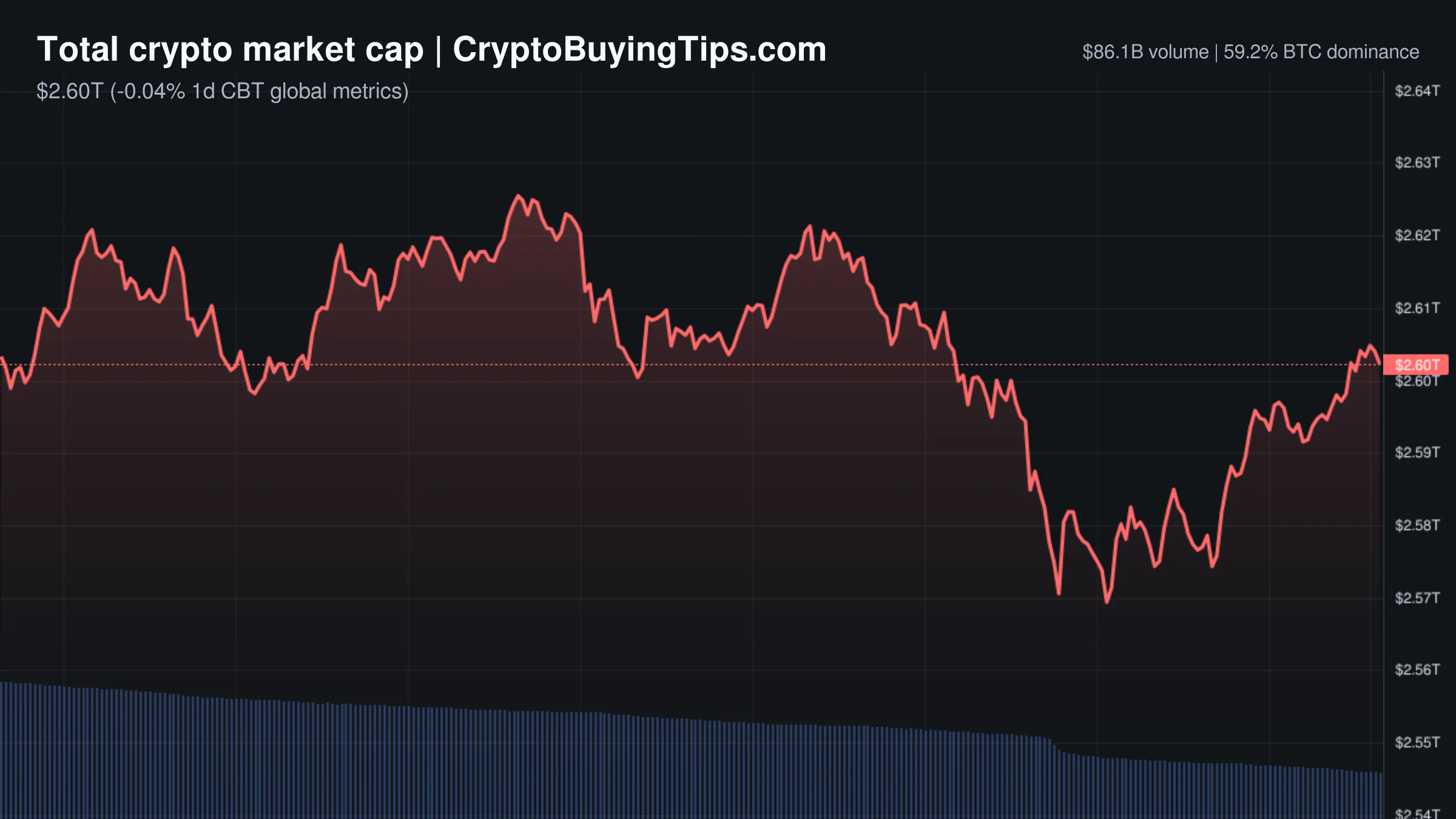
Crypto Market Overview | volume collapses as greed persists amid regulatory friction | August 23, 2026
Volume collapses as greed persists amid regulatory friction; see our market overview on crypto's current state and key…

Brussels is coming for DeFi vaults and the market is ignoring the risk
Brussels seems to think "decentralized" is just an aesthetic choice for now. Our read suggests MiCA regulation isn't…