

WLFI is crashing and it's a masterclass in how not to launch a token
I've watched a lot of projects fail since I started tracking this market in 2019, but the collapse of World Liberty Financial (WLFI) is particularly painful to watch. It's not just because of the high-profile names attached to it, but because it's a textbook example of how bad tokenomics can destroy a project. For a lot of people getting sucked into the hype, they didn't even stop to ask what is a token backed loan in defi and why using a volatile, new token as collateral is essentially a suicide mission.
What happened with WLFI
The facts are pretty grim. WLFI launched with a lot of noise but very little actual utility. The token price has plummeted because the system was built on a circular loop. They encouraged users to lock up tokens to earn rewards, but those rewards were just more tokens. When the initial hype faded and people tried to exit, there wasn't enough real liquidity to support the sell-off.
In my experience, this is the "death spiral" in its purest form. You have a token that only has value because people hope others will buy it later, and the only way to "earn" more is to lock up the very asset that is losing value. It's a trap.
Why it matters and what is a token backed loan in defi
To understand why WLFI crashed so hard, you have to understand the mechanics of the loans they were pushing. If you're new to this, you might be wondering what is a token backed loan in defi. In simple terms, it's when you deposit a crypto asset into a protocol as collateral to borrow another asset.
The problem is the quality of that collateral. If you use Bitcoin or Ethereum, you're using assets with deep liquidity and established value. If you use a brand new token like WLFI, you're using a "printed" asset. When the price of WLFI drops, the value of the collateral drops. This triggers automatic liquidations, which forces more tokens onto the market, which pushes the price down further.
I've seen this happen a dozen times with smaller projects, but seeing it happen on this scale is a reminder that no amount of political branding can override basic math.
What I'm watching next
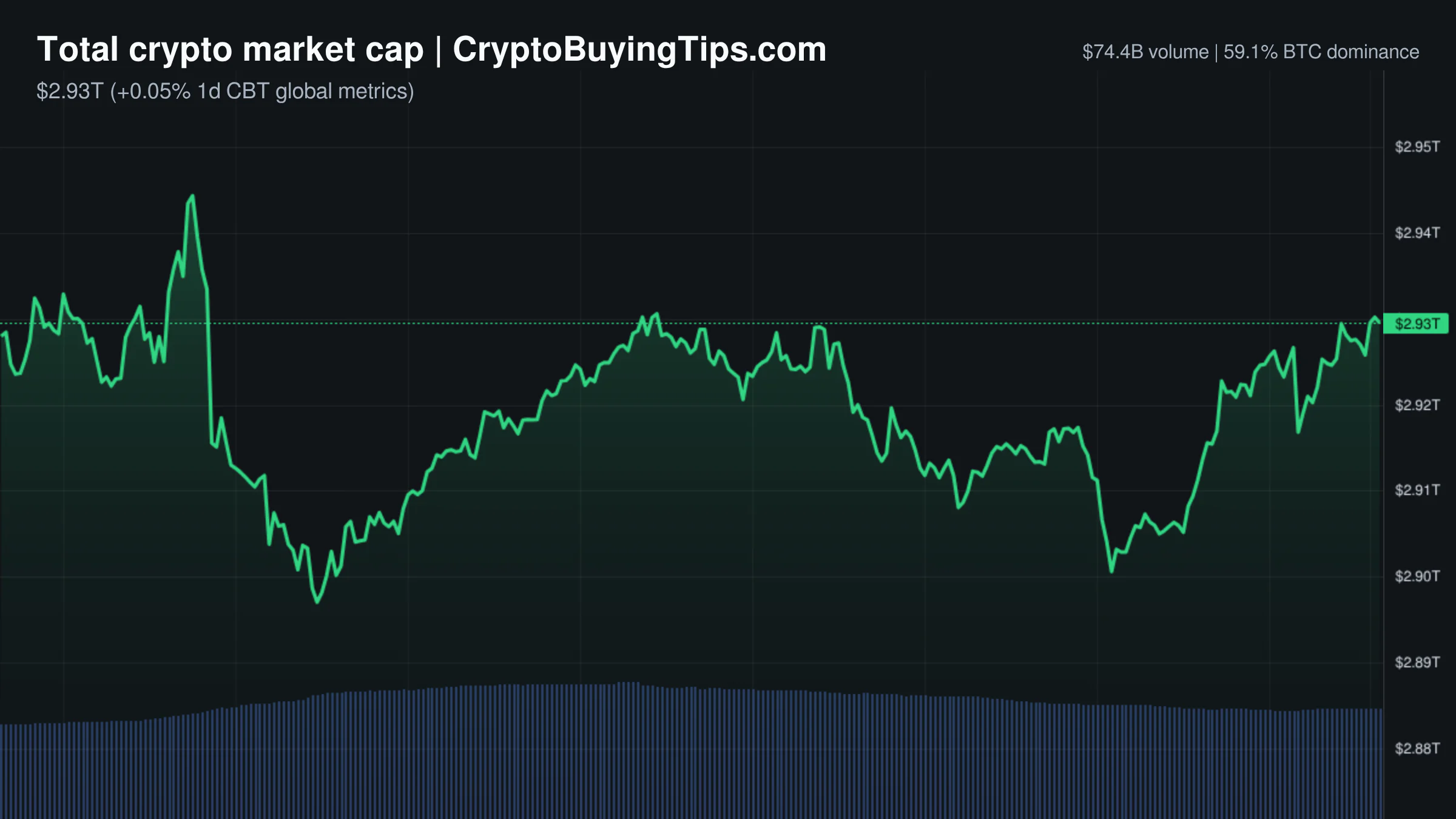
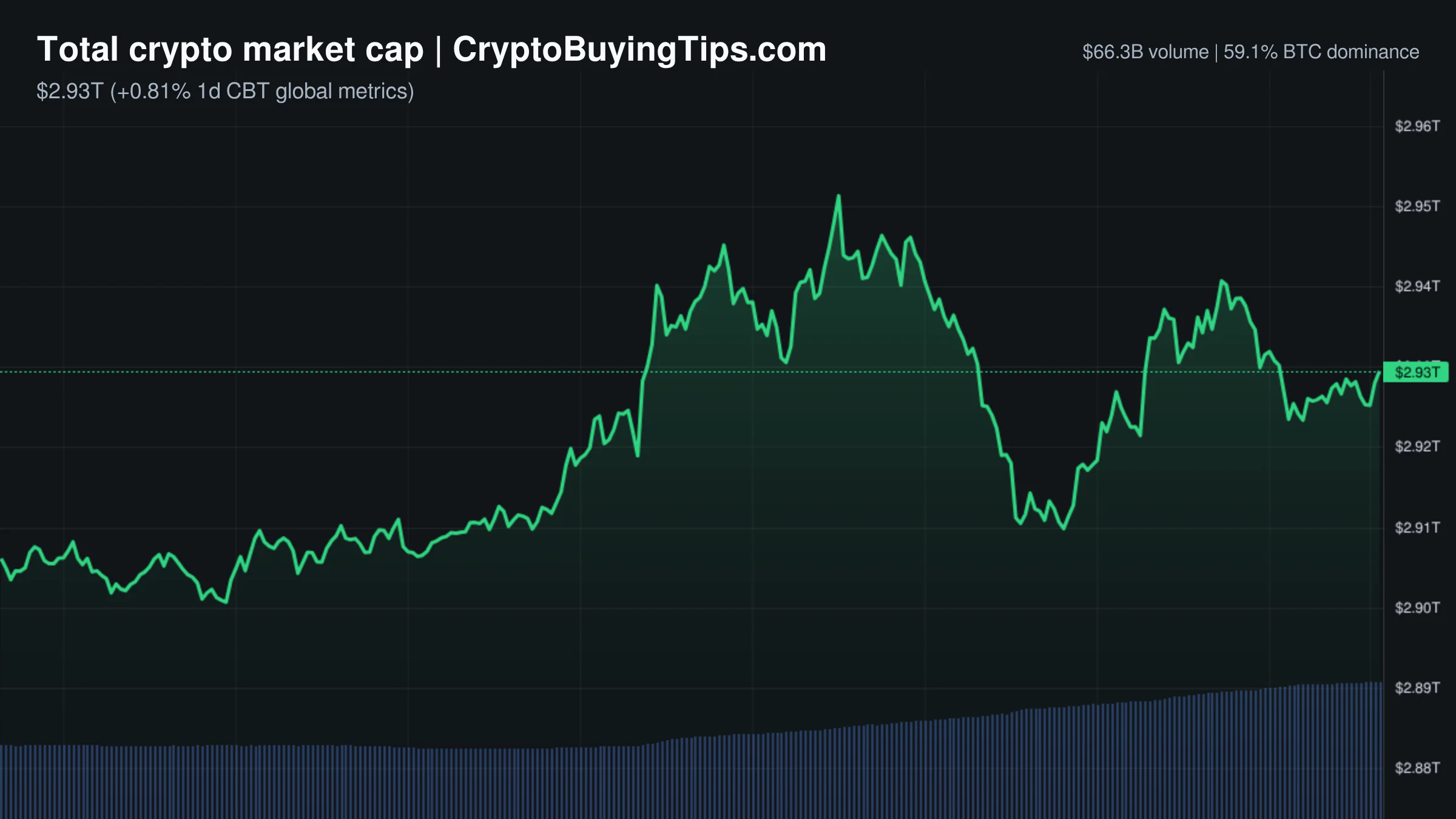
I'm keeping a close eye on the contagion effect. While the total market cap is sitting at $2.65T and BTC dominance is steady, these kinds of crashes shake the confidence of retail investors. I'm specifically watching if other "celebrity" or "political" tokens follow this pattern.
I'm also watching the liquidation data. When a project like this fails, it often leaves a trail of bad debt in the protocols it interacted with. If the "bad debt" starts piling up in larger DeFi lending pools, we might see a broader dip in sentiment.
If you're tired of watching these volatile crashes and want to actually secure what you own, I suggest moving your assets off exchanges. I use a Ledger for my long-term holdings because I've seen too many people lose everything when a platform or a project disappears overnight.
The bottom line is that if a project's primary "innovation" is a complex way to lock up their own token, it's not a product. It's a gamble. And in this case, the house won.
Related Tickers
Some links in this article may be affiliate links. We may earn a commission at no extra cost to you — this never influences our analysis or coverage.

Sigrid Voss
Crypto analyst and writer covering market trends, trading strategies, and blockchain technology.
More Articles
Crypto Market Overview | Leveraged derivatives volume dwarfs spot trading amid institutional infrastructure developments | October 6, 2026
Leveraged derivatives volume dwarfs spot trading at $2.93T market cap; see how institutional infrastructure developments…

Solana just tried to fire the clearinghouses
Another day, another attempt to make old banking rails look quaint. Solana’s Delivery-versus-Payment (DvP) rail is less…
Crypto Market Overview | Speculative leverage dwarfs spot activity as bitcoin leads the market | October 5, 2026
Speculative leverage dwarfs spot activity as bitcoin leads the market overview; see how derivatives volume drives…

FET rips 13% as the market bets on the new AI czar
The AI narrative continues to drive capital flow regardless of policy nuance; FET jumped over 13 percent on news linking…