

World Liberty Financial is a warning sign for DeFi beginners
I've been watching the crypto markets since 2019, and if there is one thing I've learned, it's that "celebrity" projects usually end in tears for the retail buyer. The recent noise around World Liberty Financial and its connection to Dolomite is a perfect case study in why you should be terrified of protocols that promise easy money through complex loops. For anyone trying to get a handle on understanding circular token economics, this is where the theory meets a very messy reality.
What actually happened
World Liberty Financial launched with a lot of hype, but the mechanics under the hood are what worry me. They are essentially building on top of Dolomite, a DeFi protocol. The plan involves users depositing assets to mint a token, which then serves as collateral to borrow more assets, which are then used to buy more of the token.
It's a loop. On paper, it looks like a way to multiply your exposure. In reality, it's a house of cards. When you use a token as collateral to borrow a stablecoin like USDC, you are betting that the token's price will never drop faster than your ability to add more collateral. If the price of the WLFI token tanks, the system triggers liquidations.
Why circular token economics are dangerous
The problem with understanding circular token economics is that they create a fake sense of value. When a project uses its own token to back its loans, it's basically printing its own collateral. I've seen this movie before. It happened with Terra Luna, and it happens every time a project thinks it can outsmart the basic laws of liquidity.
In a healthy system, collateral is something with external value. In a circular system, the value is internal. If people stop believing in the token, the collateral value vanishes, the loans become undercollateralized, and the whole thing collapses. I'm not saying it will happen tomorrow, but the risk is baked into the design.
The risk of utilization rates
For those new to DeFi, you need to watch the utilization rate. This is just a fancy way of saying how much of the available money in a pool is actually being borrowed. If the utilization rate hits 100%, new lenders can't get their money out until borrowers pay back their loans.
When you combine a high utilization rate with volatile collateral, you get a "bank run" scenario. If everyone tries to exit at once and the collateral is crashing, there's no one left to buy the dip. I've spent years researching these protocols, and the ones that ignore these basics always end up as cautionary tales.
If you're tired of the gamble and just want a place to trade without the "celebrity" risk, I usually suggest Bybit. Their interface is straightforward, and they don't try to trick you into circular lending loops.
What I'm watching now
Right now, the market is in a "Bitcoin Season," with the Altcoin Season Index sitting at a low 23. This means money is flowing into BTC and away from the risky alts. In this environment, projects with circular tokenomics are the first to bleed because there's no "dumb money" coming in to support the price.
I'm keeping an eye on the net inflows of BTC ETFs and the Fear & Greed Index, which is currently neutral at 46. If the market turns bearish, these high-leverage DeFi plays will be the first to snap. I'd rather hold a boring asset than a "revolutionary" token that relies on a loop to stay alive.
Some links in this article may be affiliate links. We may earn a commission at no extra cost to you — this never influences our analysis or coverage.

Sigrid Voss
Crypto analyst and writer covering market trends, trading strategies, and blockchain technology.
More Articles
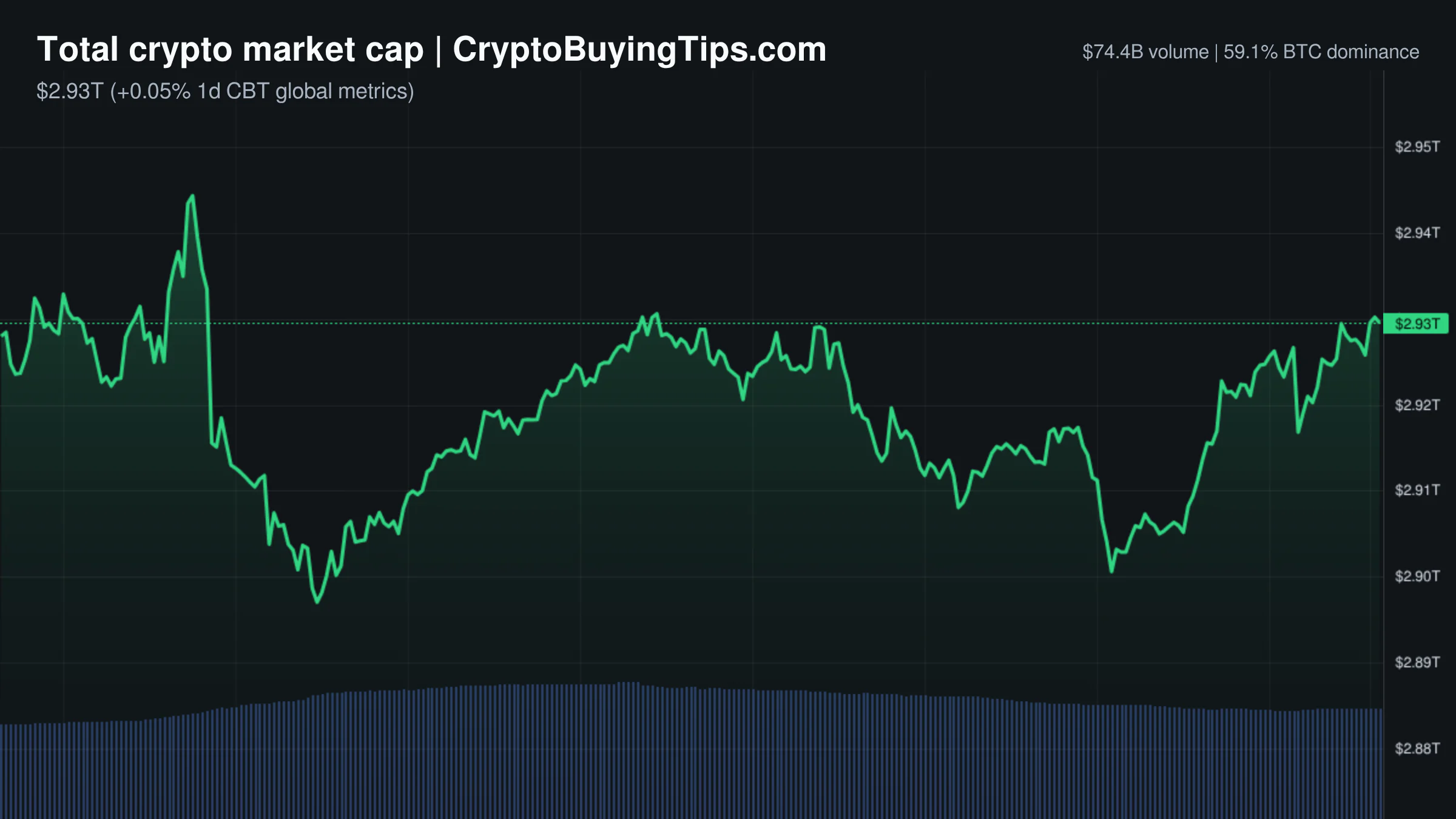
Crypto Market Overview | Leveraged derivatives volume dwarfs spot trading amid institutional infrastructure developments | October 6, 2026
Leveraged derivatives volume dwarfs spot trading at $2.93T market cap; see how institutional infrastructure developments…

Solana just tried to fire the clearinghouses
Another day, another attempt to make old banking rails look quaint. Solana’s Delivery-versus-Payment (DvP) rail is less…
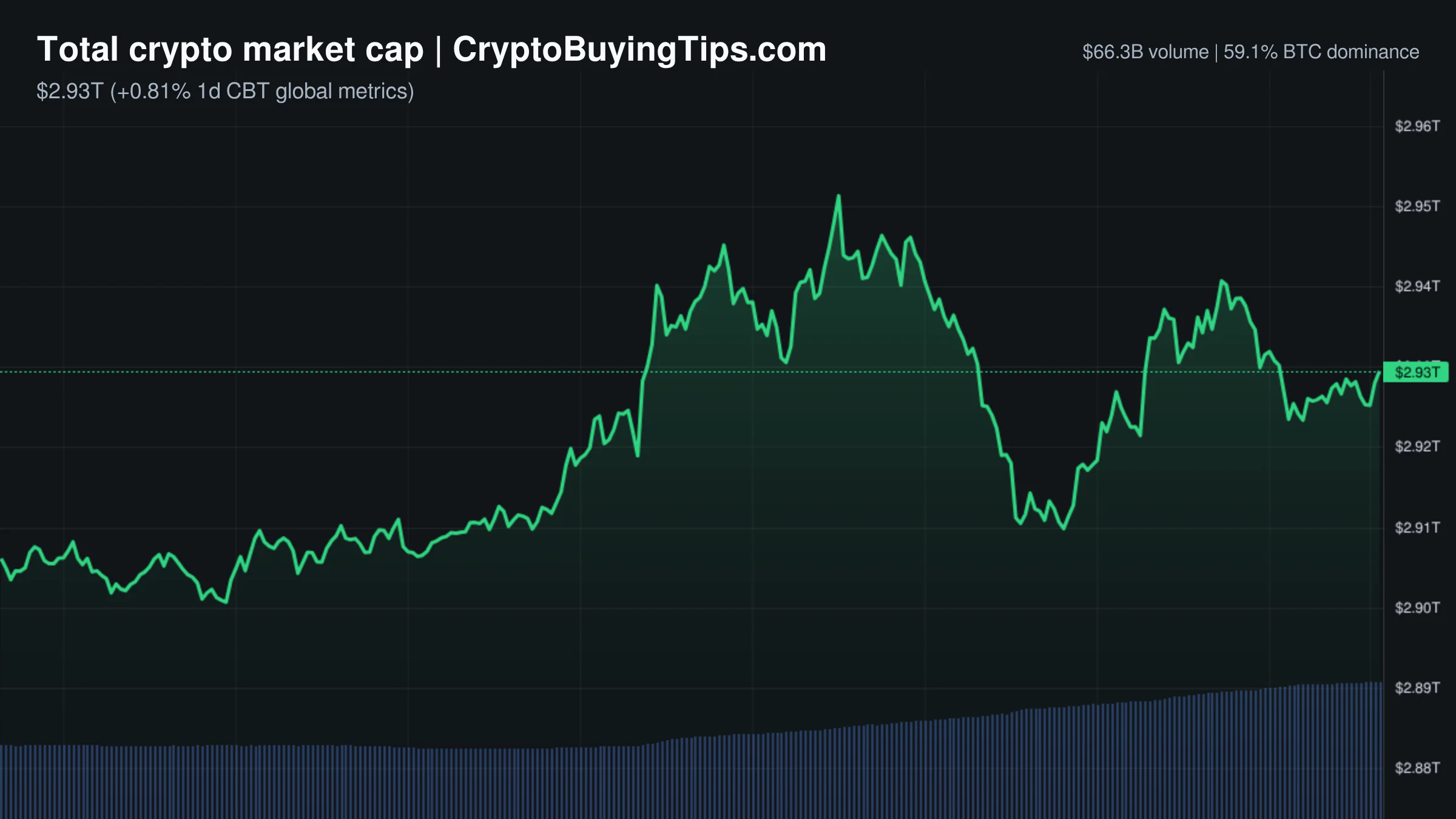
Crypto Market Overview | Speculative leverage dwarfs spot activity as bitcoin leads the market | October 5, 2026
Speculative leverage dwarfs spot activity as bitcoin leads the market overview; see how derivatives volume drives…

FET rips 13% as the market bets on the new AI czar
The AI narrative continues to drive capital flow regardless of policy nuance; FET jumped over 13 percent on news linking…