

Your stablecoin yield might be illegal and DC is starting to care

If you've been earning 5% or 10% on your USDT or USDC, you probably think you've found a cheat code for a savings account. But there's a quiet war happening in Washington right now that could wipe those rewards off the map. A lot of people are asking are stablecoin yields legal in US, and the honest answer is that the SEC and other regulators are leaning toward a very loud "no."
What is actually happening in DC
For years, platforms have paid out rewards on stablecoins by claiming these assets are just "cash equivalents." The regulators in the US are finally pushing back. They are arguing that if a platform promises a return on a stablecoin, that arrangement is actually an investment contract. In plain English, that means the stablecoin reward program is an unregistered security.
I've seen this movie before. It's the same pattern we saw with early lending platforms that suddenly vanished or got slapped with massive fines. The current push is to move stablecoins into a regulatory box that looks a lot more like a bank. If that happens, you won't just be clicking "earn" on an app. You'll be dealing with KYC, strict limits, and likely much lower yields.
Why this matters for your money
Most beginners treat stablecoins like a digital mattress. They put their money there to avoid volatility while still making a bit of profit. But the risk here isn't just about the price of the coin. It's about the legal status of the yield.
If the US government decides that these rewards are illegal, platforms will do one of two things. They'll either stop offering the yield entirely for US users, or they'll move the operation offshore. I've noticed that when platforms move offshore, the risk of a "technical glitch" or a sudden freeze on withdrawals tends to go up. We've already seen Circle and USDC face heat recently, and this is the next logical step.
Are stablecoin yields legal in US right now
Technically, many of these programs operate in a grey area. They aren't explicitly illegal yet, but they aren't protected either. If a platform is paying you yield by lending your stables to a hedge fund or using them in a circular DeFi loop, you're taking on a lot of counterparty risk.
I'm personally skeptical of any "guaranteed" yield that is significantly higher than the current risk-free rate of US Treasuries. If the yield is too high, you aren't the customer. You're the exit liquidity. For those who want to keep their assets safe while waiting for the regulatory dust to settle, I always suggest moving funds off exchanges. I use a Ledger to hold my long-term bags because I don't trust any platform to be the sole custodian of my money, especially when the lawyers are starting to circle.
What I'm watching next
I'm keeping a close eye on the upcoming legislative sessions in DC. Specifically, I want to see if the new stablecoin bills include a "carve-out" for yield. If they don't, expect a wave of platforms to suddenly "update their terms of service" and cut your rewards to zero.
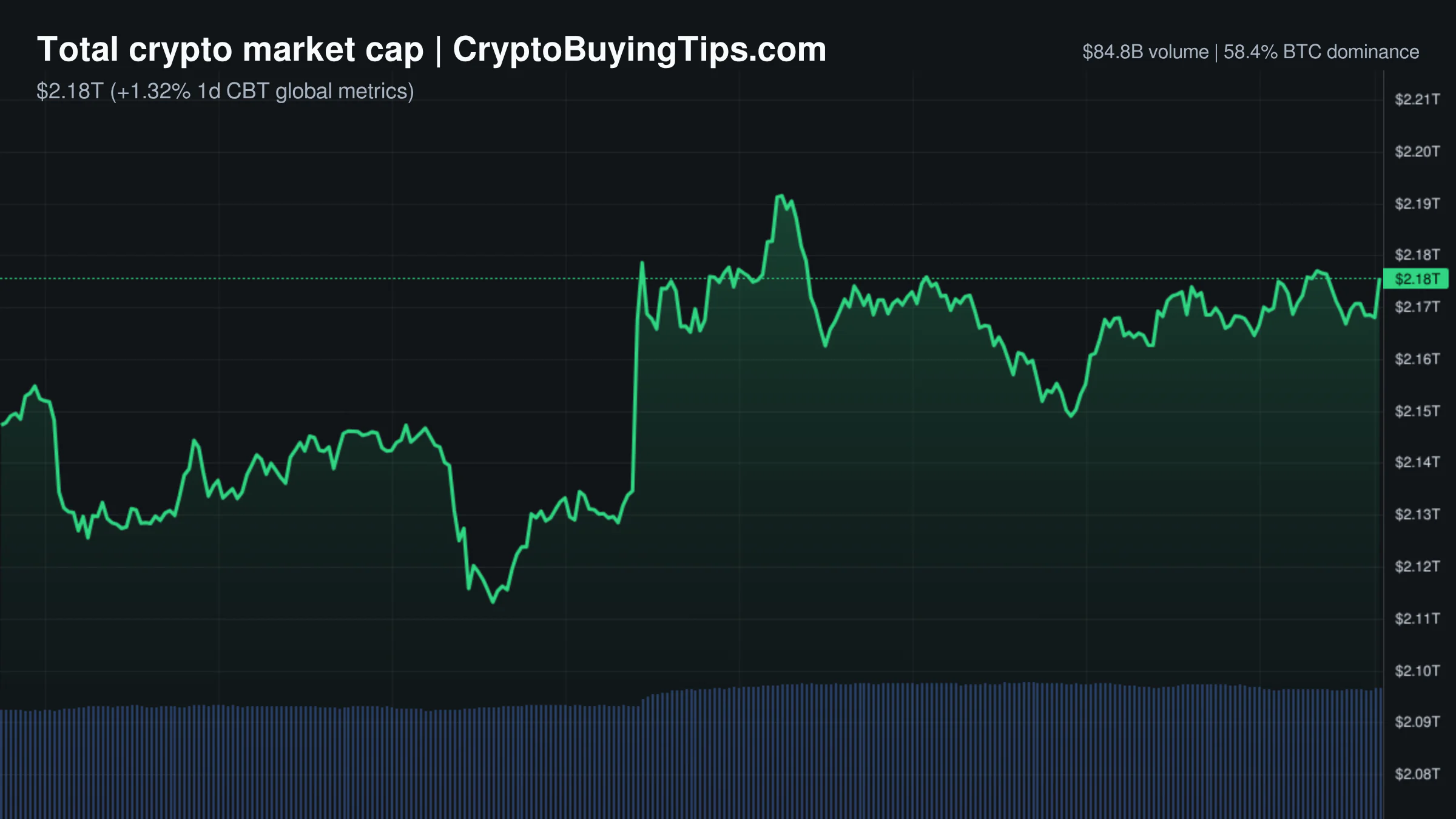
The market is currently in a neutral state with a Fear and Greed Index of 49. This is actually the best time to audit where your stables are sitting. If your yield is coming from a platform with no clear legal standing in the US, you might want to consider if that extra 2% is worth the risk of a total freeze.
Sigrid Voss
Crypto analyst and writer covering market trends, trading strategies, and blockchain technology.
More Articles
Bitcoin ETFs just bled $1.7B in a month. Are the institutions actually giving up?
Bitcoin ETFs experienced a significant outflow of $1.7 billion this month, signaling a shift away from the initial "wall…
Bybit is letting you buy tokenized IPOs. Here is the catch
Bybit’s IPO Express offers retail investors access to tokenized IPOs like SpaceX, but it’s crucial to understand you’re…

The $763 billion leverage trap masking a fake recovery
A $763 billion surge in leveraged trading is masking a potentially dangerous market recovery. The massive disparity…
Crypto Market Overview | Leveraged recovery amid extreme fear | June 8, 2026
Crypto Market Overview Leveraged recovery amid extreme fear June 8, 2026 Market overview The crypto market is…