

12 DeFi hacks in two weeks is a wake-up call for retail investors
If you've been checking your portfolio lately, you've probably seen the headlines. Twelve different entities hit in just fourteen days. That isn't a fluke, and it isn't just "bad luck" for a few projects. It's a systemic reminder that in DeFi, you are your own bank, and the bank's vault is only as strong as the code it's written in. For most of us, the instinct is to panic or just ignore it until the next crash, but this is the exact moment where you need a step by step guide to securing crypto wallet assets before you become a statistic.
The short answer
The only way to truly secure your assets is to move them off exchanges and away from "hot" software wallets into a hardware wallet. You need to separate your "spending" money from your "savings" and stop giving every new DeFi protocol permission to spend your USDC.
How it actually works
I've been in this market since 2019, and the biggest mistake I see people make is treating a MetaMask or Phantom wallet like a savings account. Those are hot wallets. They are connected to the internet. If your computer gets a piece of malware or you click a bad link, your keys are gone.
To actually secure your funds, you need to follow a hierarchy of safety.
First, get a hardware wallet. This keeps your private keys offline. I usually suggest the Ledger Nano Gen5 for people starting out because it's around $99 and brings a modern E Ink touchscreen to an affordable price. It uses a CC EAL6+ certified chip, which is basically the industry standard for keeping keys away from hackers.
Second, create a "cold" and "hot" system. Put 90% of your holdings on the hardware wallet and never connect it to any experimental DeFi site. Put the other 10% in a hot wallet for trading and interacting with new protocols. If that hot wallet gets drained in a flash loan attack or a smart contract exploit, you only lose a fraction of your portfolio.
Third, manage your approvals. When you "stake" or "provide liquidity," you often sign a transaction that gives the protocol permission to move your tokens. If that protocol gets hacked, the hacker can use those permissions to drain your wallet. Use a tool like Revoke.cash to regularly cancel permissions for projects you aren't actively using.
Where people get tripped up
I see a lot of people fall for the "seed phrase" trap. They buy a hardware wallet, then they take a photo of their 24-word recovery phrase and save it in their iCloud or Google Drive.
That completely defeats the purpose of the hardware wallet. If a hacker gets into your cloud storage, they have your keys. Your seed phrase should be written on paper or stamped in metal and stored in a physical safe. Never, ever type it into a website, and never show it to anyone claiming to be "support."
Another common mistake is trusting "audited" contracts. I've seen dozens of projects that claimed to be audited by top firms, only to be drained a week later. An audit is just a snapshot in time. It doesn't mean the code is perfect, and it definitely doesn't mean the team won't pull a rug or leave a backdoor open.
Putting it into practice
If you're feeling exposed after this recent wave of hacks, do these three things today.
First, move your long-term holdings to a hardware device. If you have a lot of assets, the Ledger Stax is a great choice for high-net-worth holders because it has a large screen that lets you verify exactly what you're signing, which helps prevent "address poisoning" scams.
Second, audit your current approvals. Go through your wallets and revoke access for any protocol you haven't touched in a month.
Finally, stop chasing 100% APY in obscure pools. High yields usually mean high risk. If the return seems too good to be true, it's probably because you're providing the liquidity for someone else's exit strategy. Be skeptical, stay cold, and keep your keys offline.
Some links in this article may be affiliate links. We may earn a commission at no extra cost to you — this never influences our analysis or coverage.

Sigrid Voss
Crypto analyst and writer covering market trends, trading strategies, and blockchain technology.
More Articles
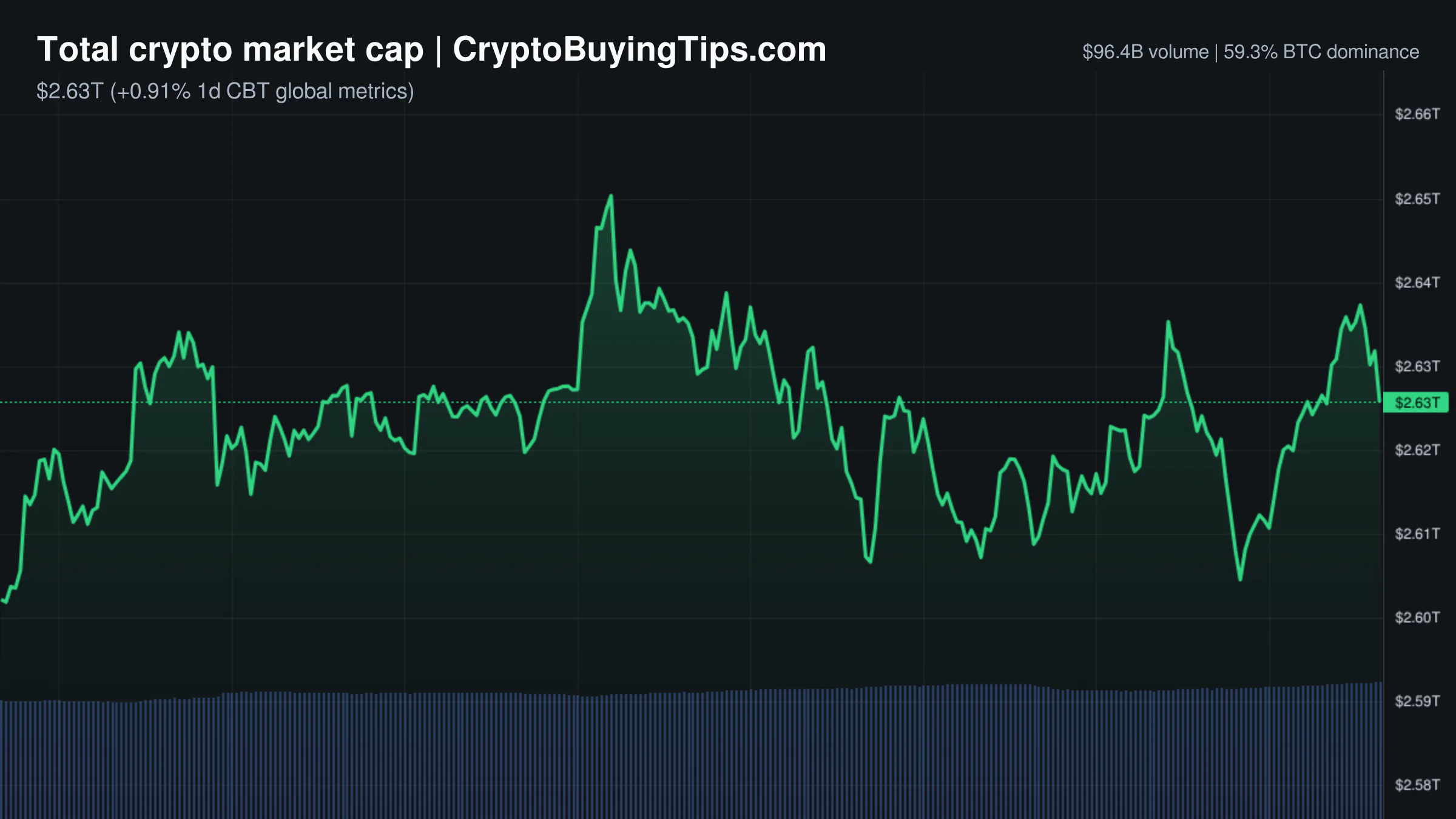
Crypto Market Overview | Leverage-driven rally amid strong ETF inflows as BTC targets 80k | August 24, 2026
Leverage-driven rally sees BTC near 80k amid strong ETF inflows; see our market overview on current crypto dynamics.

Derivatives volume is 8x higher than spot. Here is why that is a warning
The market's current price action seems to be driven by bets rather than cash; with derivatives volume eight times…
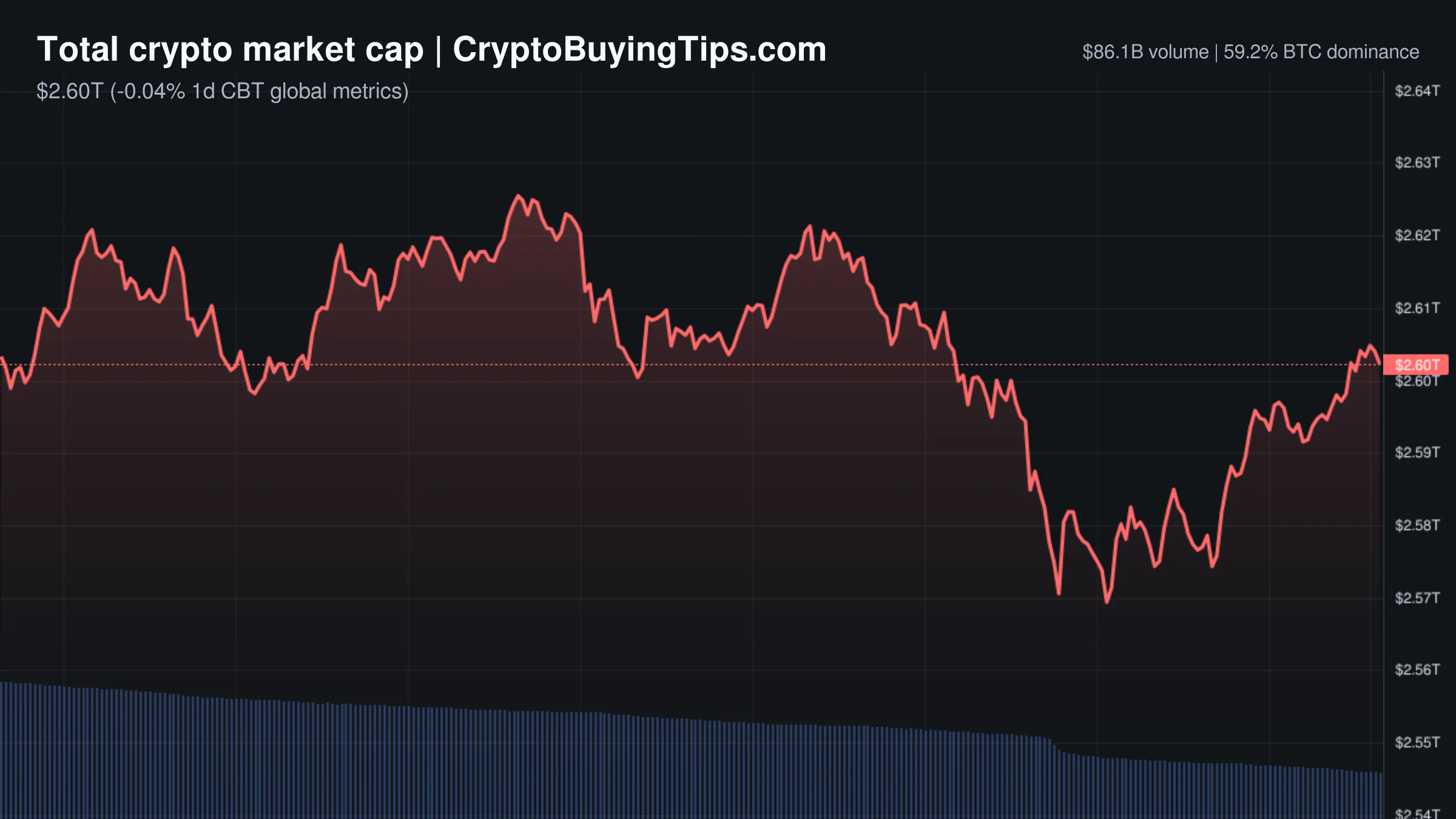
Crypto Market Overview | volume collapses as greed persists amid regulatory friction | August 23, 2026
Volume collapses as greed persists amid regulatory friction; see our market overview on crypto's current state and key…

Brussels is coming for DeFi vaults and the market is ignoring the risk
Brussels seems to think "decentralized" is just an aesthetic choice for now. Our read suggests MiCA regulation isn't…