
Aave is losing billions to Spark. Is the DeFi lending era ending?
I've been tracking on-chain movements since 2019, and usually, when a "blue chip" protocol like Aave sees a dip, it's just a temporary fluctuation. But what we're seeing now is different. Aave has experienced a massive $15.1 billion outflow, and it's not just a random exit. The money is moving with purpose. If you've been wondering why your favorite lending dashboards look a bit emptier, this is a classic case of defi lending outflows explained.
The case for a structural shift
For years, Aave was the undisputed king of DeFi lending. It was the safe bet, the place where whales parked their assets to earn a steady yield. But the market has changed. Capital is rotating toward Spark Protocol.
The reason isn't that Aave's code is broken or that the team stopped innovating. It's about integration. Spark is tightly linked with DAI and MakerDAO. For institutional players and massive whales, a protocol that is deeply integrated into the stablecoin issuance layer is far more attractive than a standalone lending market. They aren't just looking for a place to lend; they're looking for capital efficiency.
In my experience, when the "big money" moves, they don't do it because of a fancy marketing campaign. They do it because the plumbing is better. Spark offers a more streamlined way to manage DAI positions, and that's where the liquidity is migrating.
The strongest counterargument
Some would argue that Aave is simply too big to fail. It has a massive head start, a diversified set of assets, and a brand that is synonymous with DeFi security. They might say that these outflows are just a "rebalancing" act and that Aave will eventually claw back its dominance as Spark hits a ceiling.
There is some truth to that. Aave is still a powerhouse. But the "too big to fail" mentality is a dangerous road to walk in crypto. I've seen plenty of protocols that felt invincible right before the liquidity dried up. The fact that billions are leaving in a short window suggests that the competitive edge has shifted.
Where I land
I don't think the "lending era" is ending, but the "Aave era" might be evolving into something less dominant. We are moving away from the era of the general-purpose lending pool and into an era of specialized, integrated yield strategies.
The current market data shows a Neutral sentiment with a Fear & Greed Index of 44. Bitcoin dominance is sitting high at nearly 60%, and the Altcoin Season Index is way down at 18. This tells me that investors are cautious. They aren't gambling on random alts; they are strategically moving their core capital to where it works harder.
If you're moving your own funds around to chase these new yield strategies, please don't leave them on an exchange. I've seen too many people lose everything because they trusted a custodian. If you're managing a significant portfolio, I recommend the Ledger Stax. It's a premium hardware signer with a curved E Ink touchscreen and a Secure Element Chip (CC EAL6+) that actually makes interacting with DeFi protocols safer. It's a bit pricey at $399, but for high-net-worth holders, the security and the Transaction Check scam detection are worth the cost.
Bottom line: Aave isn't dead, but it's no longer the only game in town. The migration to Spark is a signal that institutional capital values ecosystem integration over legacy status. I'll be watching to see if Aave can launch a counter-move or if they'll simply accept a smaller piece of the lending pie.
Some links in this article may be affiliate links. We may earn a commission at no extra cost to you — this never influences our analysis or coverage.

Sigrid Voss
Crypto analyst and writer covering market trends, trading strategies, and blockchain technology.
More Articles
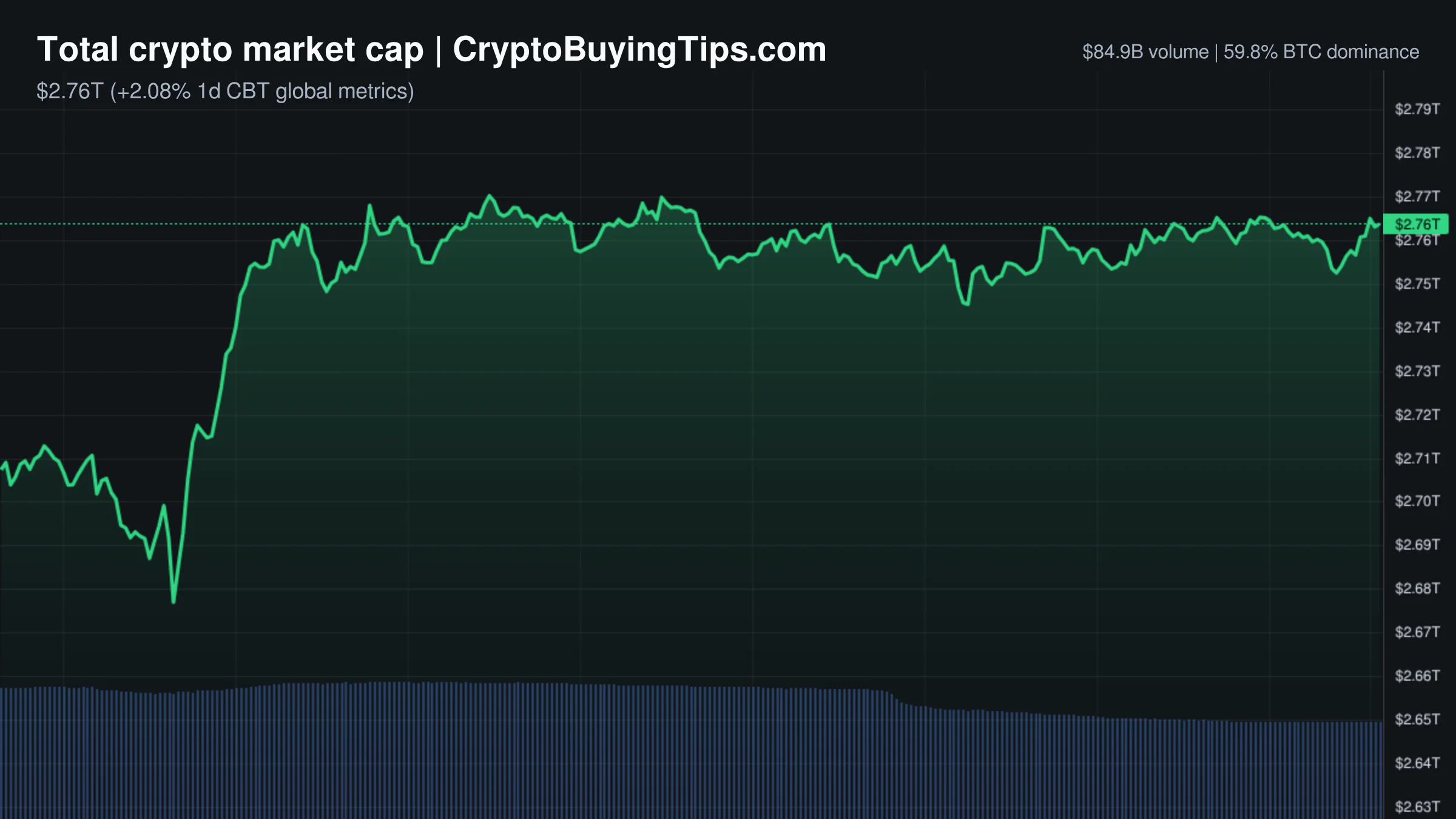
Crypto Market Overview | prices climb despite falling trading volume and stablecoin activity | October 16, 2026
Prices climb despite falling trading volume and stablecoin activity; see our market overview for context.

Wall Street is building its own rules while Congress argues
Wall Street seems to have decided waiting for Congress isn't worth the time. Major players like Mastercard are building…
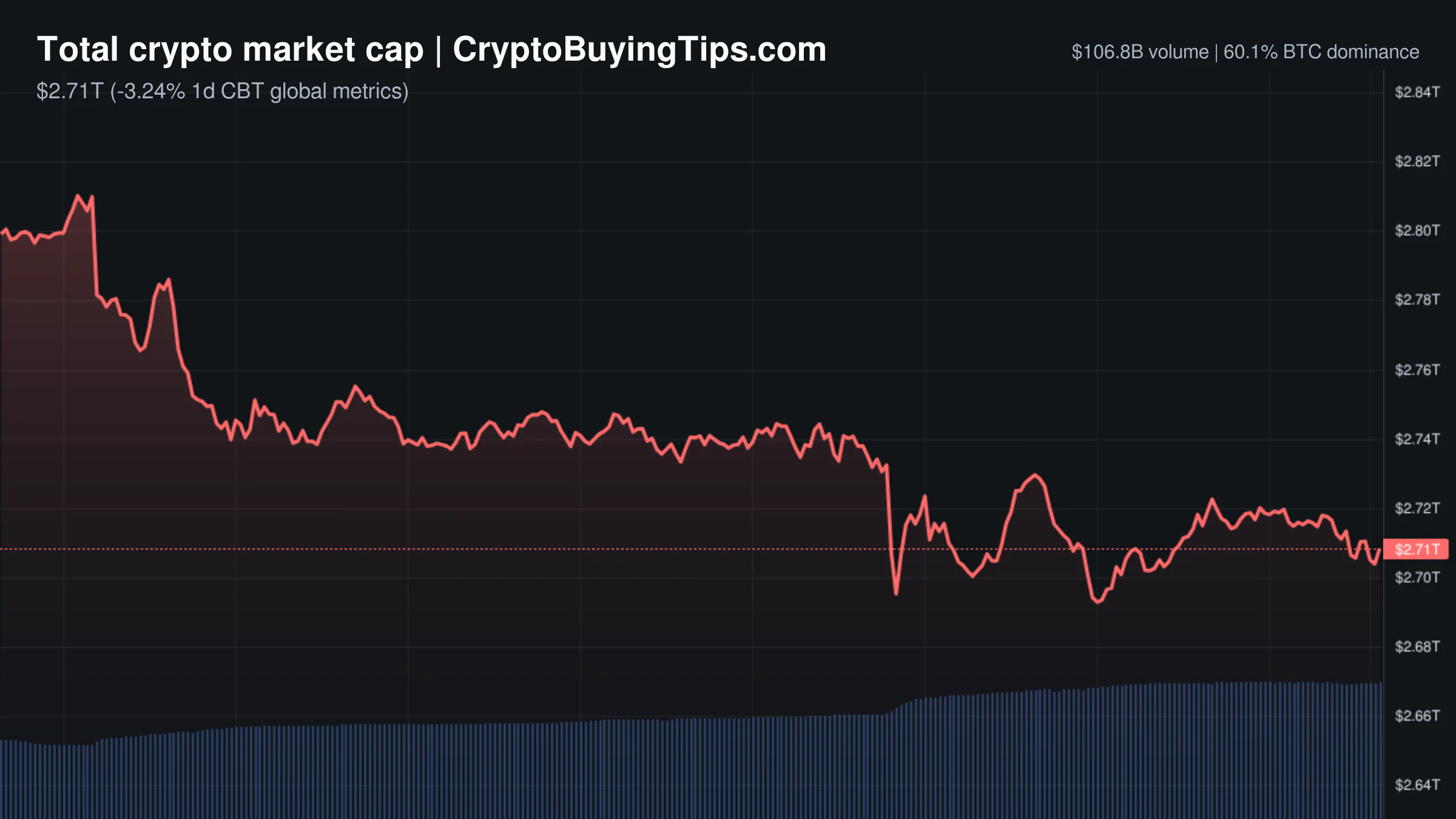
Crypto Market Overview | leveraged flush amid macro headwinds and institutional rails buildout | October 15, 2026
The crypto market sees leveraged flushing amid macro headwinds; see our read on institutional rails building out now.

Price is down but volume is ripping. This is a high-conviction flush
The market dropped nearly four percent while volume surged by over forty-four percent; this suggests the usual bleed is…