
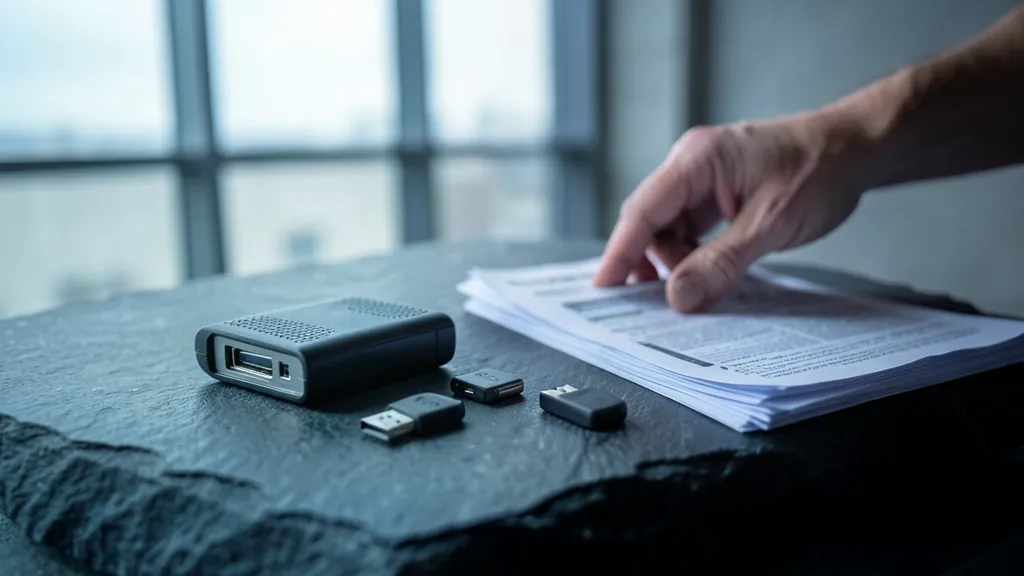
Coldcard's $38 million bug is a gift to the ETF lobby
The market is currently sitting in a state of 'Fear' according to our tracking index, with a Fear & Greed score of 33/100. This mood suits the current narrative perfectly. While most traders are staring at candles, a much more uncomfortable conversation is happening around the concept of self-custody. The recent coldcard exploit explained in technical post-mortems reveals that "your keys" aren't always as secure as the marketing suggests. When the very tools designed to eliminate third-party risk fail, the argument for institutional custody starts to look less like a surrender and more like a pragmatic choice. We previously covered related angles in volume data suggests fight and ETF bleed is over but.
The short answer
A firmware bug in certain Coldcard devices caused them to generate weak recovery seeds. Instead of the standard 128 bits of entropy, which makes guessing a seed impossible, some devices produced seeds with only about 40 bits of entropy. This turned an astronomically large search space into something an attacker could brute-force offline. The result was a coordinated sweep of roughly 594 bitcoin from hundreds of single-signature wallets, totaling about $38 million in a single 25-minute burst.
How the coldcard exploit explained works
To understand this, you have to understand the Random Number Generator (RNG). A hardware wallet is essentially a fancy box that generates a random number, which then becomes your seed phrase. If that number is truly random, no one can guess it. If the randomness is flawed, the "random" number becomes predictable.
In March 2021, a firmware update introduced a bug that bypassed the hardware RNG. According to glitchwire.com, this flaw sat in open-source code for five years. It didn't require a remote hack or a leaked password. The attacker simply figured out the pattern of the weak seeds and ran a program to find the wallets that matched.
Our news scoring system flagged this event as having novelty 9/10 and macro impact 8/10. It is a novelty because we rarely see "cold" storage fail this fundamentally. The macro impact is higher because it attacks the core psychological pillar of Bitcoin: the belief that self-custody is the only way to be truly safe.
Where people get tripped up
The biggest misconception here is that this was a "hack" in the traditional sense. No one broke into a device. No one phished a recovery phrase. The device simply did a bad job of creating the key in the first place.
Many users believe that "air-gapped" means "invincible." The idea is that if the device never touches the internet, it cannot be attacked. But that only protects you from external intrusions. It doesn't protect you from a math error in the firmware. If the seed is generated poorly, the air-gap is irrelevant. The attacker doesn't need to talk to your device; they just need to guess the seed you're using.
Another point of failure was the reliance on single-signature wallets. Every wallet drained in the initial burst was a single-sig setup. Had these users employed multisig, a single weak seed would not have been enough to move the funds.
Putting it into practice
This event shifts the risk-reward calculation for the average investor. For years, the mantra has been "not your keys, not your coins." But if the keys are generated by a buggy piece of hardware, you still don't really have control.
We are seeing this psychological shift reflected in the data. US spot Bitcoin ETFs recently attracted $233.1 million in inflows, marking some of their strongest activity in weeks. While the "purists" will argue that this is a betrayal of Bitcoin's ethos, the reality is that retail investors are exhausted. Managing a hardware wallet requires a level of technical diligence that most people find oppressive.
Our news scoring system flagged this exploit as having a liquidity impact of 7/10. When people realize their "safe" storage is a liability, they don't always move to another hardware wallet. Sometimes they just move to a custodian that has a billion-dollar insurance policy and a team of auditors.
If you are still committed to self-custody, the lesson is simple: don't trust a single point of failure. Whether you use a Ledger Nano Gen5 or a Coldcard, the only way to truly mitigate firmware risk is through multisig setups and regular security audits.
The institutional lobby doesn't need to sell the benefits of ETFs anymore. They just need to wait for the "sovereign" tools to fail. The gap between the promise of total control and the reality of a 40-bit entropy bug is where the ETF business grows.
Related Tickers
Some links in this article may be affiliate links. We may earn a commission at no extra cost to you — this never influences our analysis or coverage.

Sigrid Voss
Crypto analyst and writer covering market trends, trading strategies, and blockchain technology.
More Articles
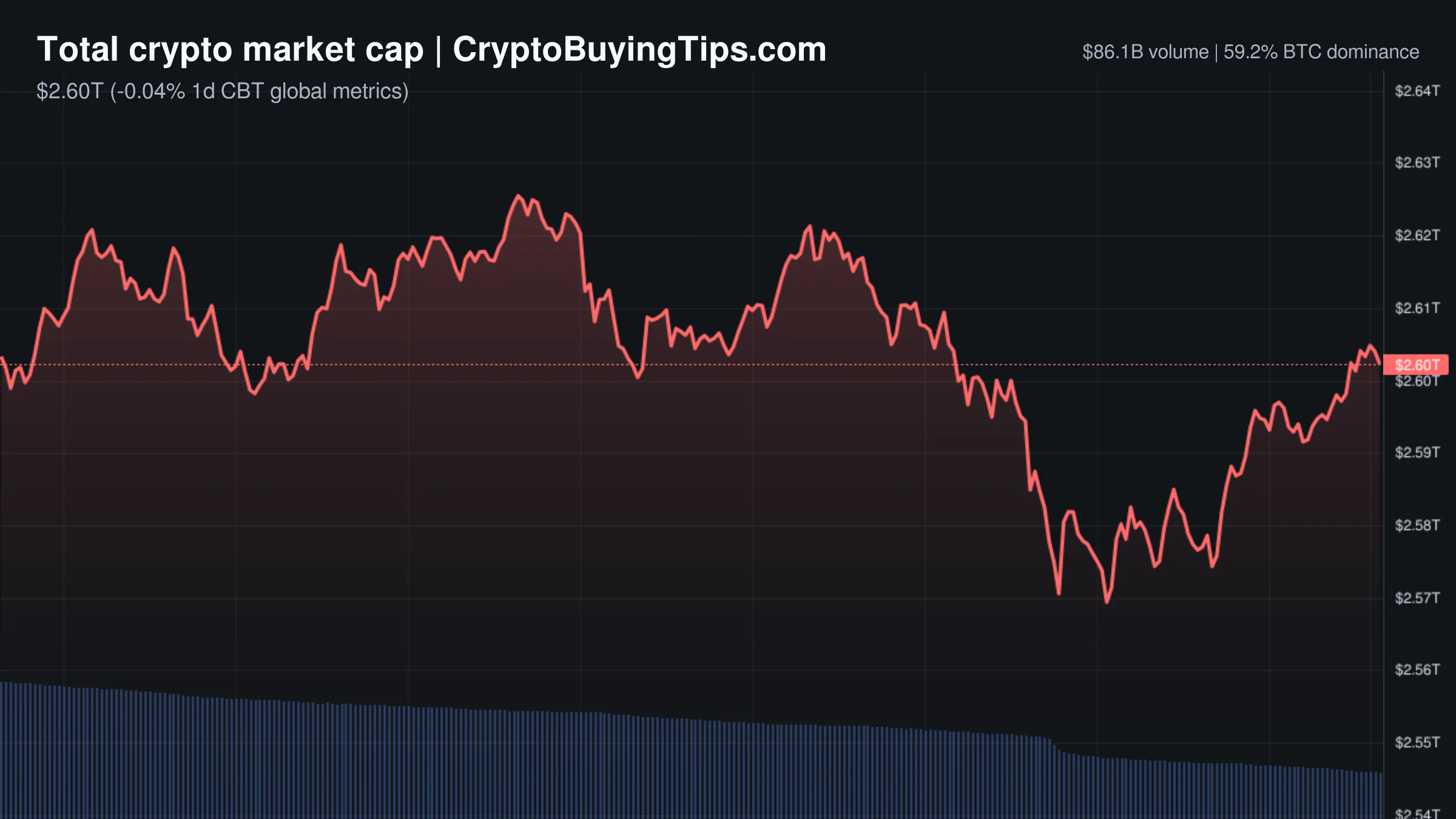
Crypto Market Overview | volume collapses as greed persists amid regulatory friction | August 23, 2026
Volume collapses as greed persists amid regulatory friction; see our market overview on crypto's current state and key…

Brussels is coming for DeFi vaults and the market is ignoring the risk
Brussels seems to think "decentralized" is just an aesthetic choice for now. Our read suggests MiCA regulation isn't…
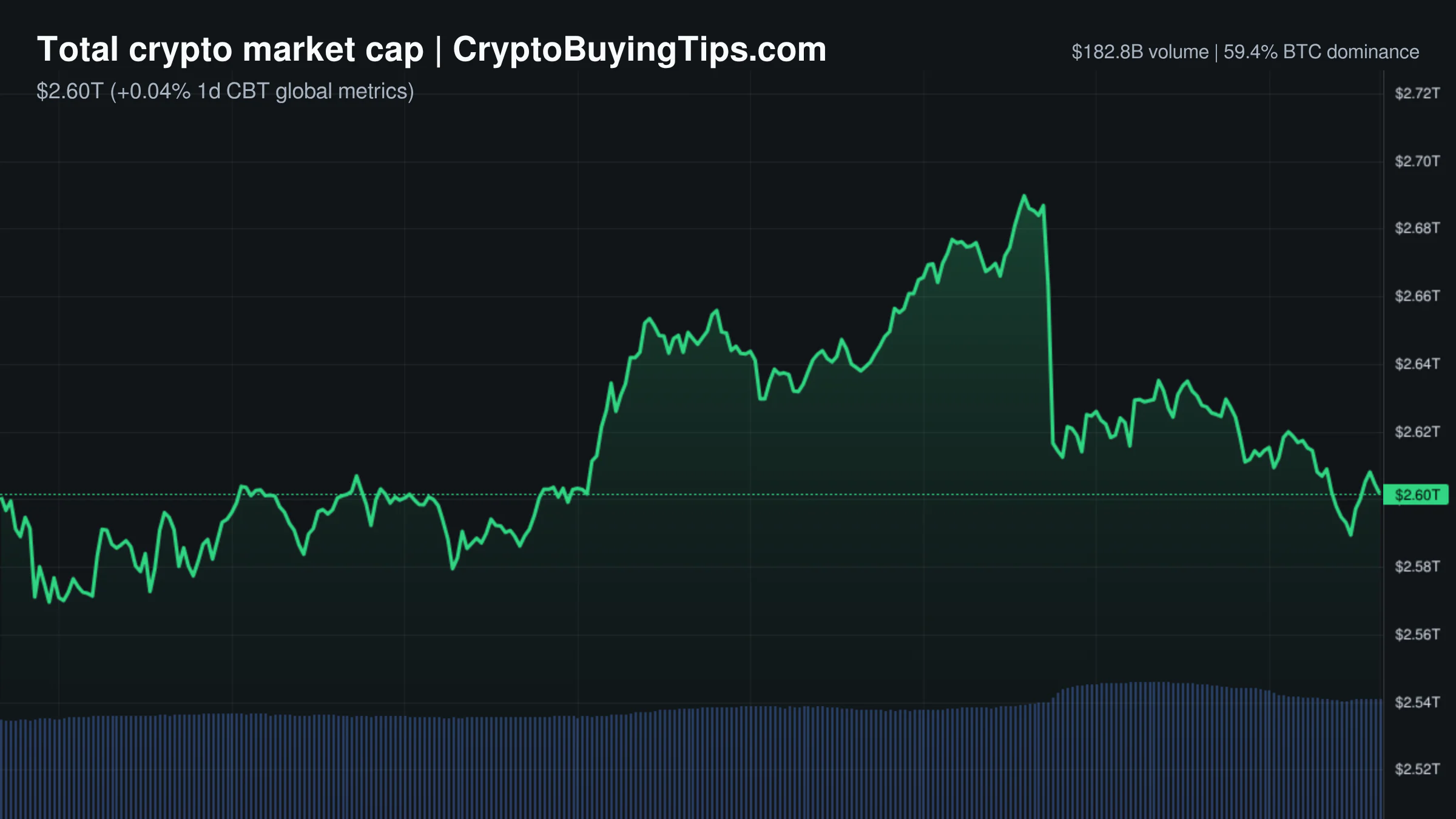
Crypto Market Overview | Spot accumulation rises while derivatives volume cools | August 22, 2026
Spot accumulation rises while derivatives volume cools in this market overview of crypto activity and macro drivers for…

XRP is ripping while Bitcoin stalls. Here is the setup we're watching
Bitcoin takes its nap while XRP proves it still has something to say about market structure divergence. Our signal…