

Goldman Sachs is turning Bitcoin into a paycheck and it changes the yield game
For years, the big institutional move was just about "getting exposure." We saw the spot ETFs launch, the big funds bought in, and the narrative was all about whether Bitcoin would hit a new all-time high. But Goldman Sachs is shifting the goalposts. By launching a Bitcoin income ETF, they aren't just betting on the price of the coin; they are betting on the volatility. For a lot of people, finding the best way to earn yield on bitcoin has meant risking their keys in a DeFi protocol or trusting a centralized lender, both of which have a history of blowing up in our faces.
What is actually happening
Goldman Sachs is moving beyond the simple "buy and hold" model. This new product is an income ETF that uses a covered call strategy. In plain English, the fund holds Bitcoin but sells call options against it. When the fund sells these options, it collects a premium (cash). That cash is then paid out to the investors as regular income.
It is a completely different beast than a spot ETF. If you buy a spot ETF, you only make money if Bitcoin goes up. With an income ETF, you get a payout regardless of whether the price stays flat or moves slightly. But there is a catch. Because they are selling the "upside" via those call options, if Bitcoin moons and goes up 50% in a month, the income ETF won't capture all those gains. You trade the moonshot for a steady check.
Why this matters for the market
I've been watching the markets since 2019, and this is a clear signal that Bitcoin is entering its "boring" phase. When the biggest bank in the world starts building products for income seekers, it means they view Bitcoin less like a lottery ticket and more like a legitimate capital asset.
This appeals to a totally different crowd than the degens I see on Twitter. This is for the retiree or the pension fund manager who wants the Bitcoin exposure but needs a quarterly dividend to justify the risk. It effectively turns Bitcoin into a yield-bearing instrument without requiring the investor to understand how to use a wallet or what a seed phrase is.
I'm also seeing this happen against a backdrop of a "Bitcoin Season." With the Altcoin Season Index sitting at 35/100, money is rotating out of risky alts and back into BTC. When you combine that rotation with a professional way to earn yield, the gravitational pull of Bitcoin only gets stronger.
The risks and the trade-offs
I'm not entirely sold on the "safety" of this for everyone. While it avoids the smart contract risk of DeFi, you are still handing your money to a massive financial institution. Plus, the capped upside is a real pain if we hit a parabolic bull run. You'll be sitting there with your small dividend while the spot holders are making 10x.
If you're someone who prefers to keep their assets off the books of a bank, I still think self-custody is the only way to go. I've always used a Ledger to keep my long-term holdings safe because I don't trust the "custody" promises of big firms.
What I'm watching next
I want to see the actual yield percentages once the fund is fully operational. If Goldman can consistently deliver 5% to 10% yield through options premiums, it will drain a lot of liquidity from smaller, riskier yield farms.
I'm also keeping an eye on the S&P 500 and NASDAQ. With the SPY at $694.16 and QQQ at $627.95, the broader market is in a risk-on mood. If traditional equities start to wobble, these income products might actually become more attractive as a "hedge" that still pays out.
Related Tickers
Some links in this article may be affiliate links. We may earn a commission at no extra cost to you — this never influences our analysis or coverage.

Sigrid Voss
Crypto analyst and writer covering market trends, trading strategies, and blockchain technology.
More Articles
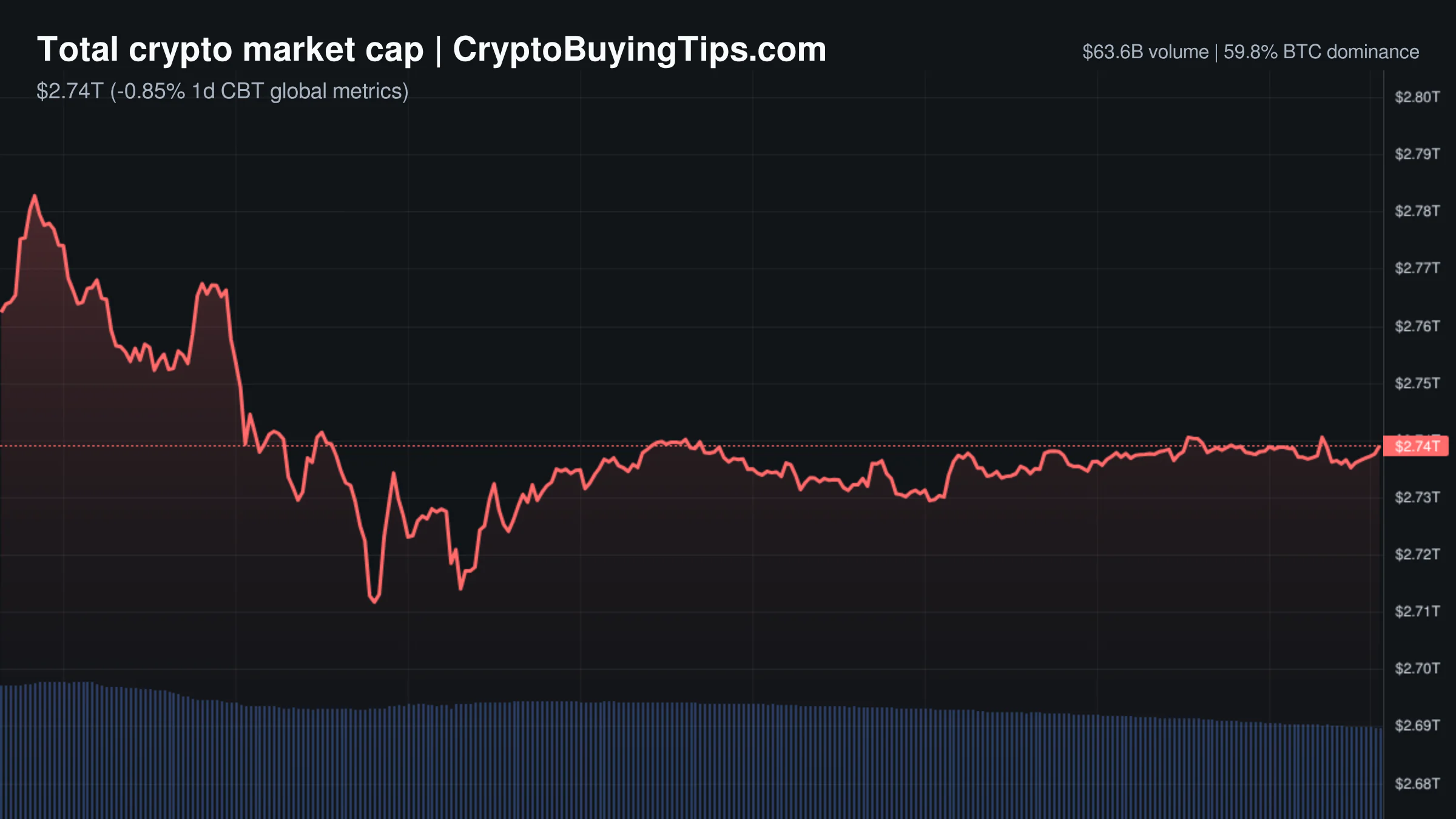
Crypto Market Overview | volume collapse amid macro pressure weighs on institutional flows | October 17, 2026
Market overview shows volume collapse amid macro pressure weighing on institutional flows; see how crypto is reacting to…

Speculators are ditching altcoins for tokenized Tesla stocks
Another day, another reason to question where all the money goes these days. Our signal scanner flagged a clear…
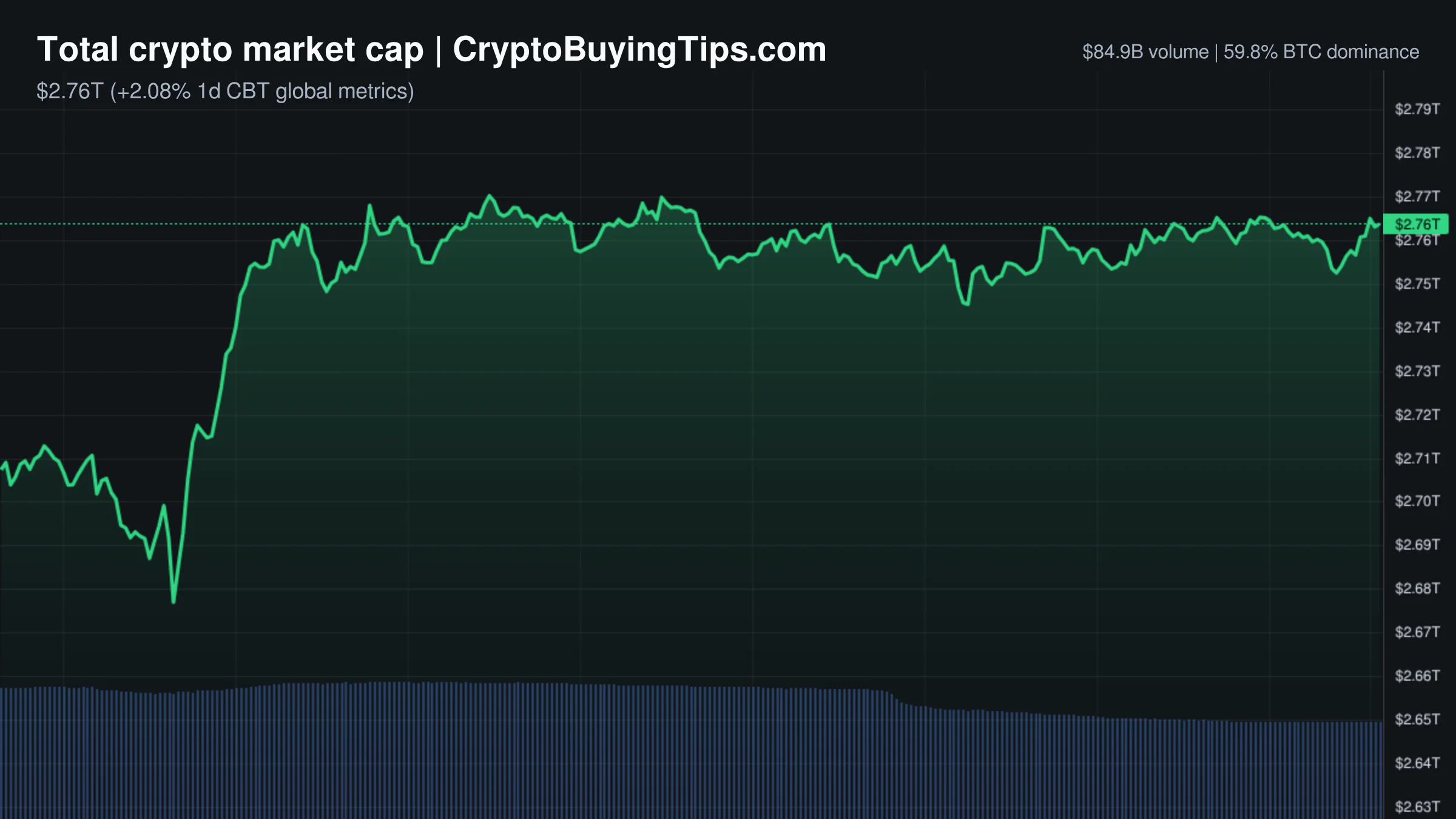
Crypto Market Overview | prices climb despite falling trading volume and stablecoin activity | October 16, 2026
Prices climb despite falling trading volume and stablecoin activity; see our market overview for context.

Wall Street is building its own rules while Congress argues
Wall Street seems to have decided waiting for Congress isn't worth the time. Major players like Mastercard are building…