

CoW Swap's security breach is a reality check for everyone using DEX aggregators
Everyone loves a good deal. In crypto, that usually means using an aggregator to find the cheapest route for a trade so you don't get ripped off by slippage. But the recent security breach at CoW Swap proves that convenience has a price. If you've been wondering are dex aggregators safe to use, the short answer is that they are generally reliable, but they add another layer of risk that most people just ignore until their funds vanish.
What happened with CoW Swap
CoW Swap is known for its "batch auctions" and protection against MEV (Maximum Extractable Value), which basically means it tries to stop bots from sandwiching your trades. However, a security flaw allowed an attacker to drain funds. This wasn't a simple case of a user leaking their seed phrase. This was a systemic failure where the protocol's own logic was exploited.
The timing is particularly annoying. We're currently in a market where the Fear & Greed Index is sitting at 53, which is basically the definition of "meh." Bitcoin dominance is hovering around 59.29%, meaning most of the money is just sitting in BTC while altcoins struggle. When the market is this boring, people tend to get complacent. They stop questioning the tools they use and just click "swap."
Why this matters for the average user
Most beginners think that using a DEX aggregator is safer because it connects to "proven" liquidity pools like Uniswap or Curve. That's a misunderstanding of how the plumbing works. When you use an aggregator, you aren't just interacting with the end pool. You're trusting the aggregator's smart contracts to route your money correctly.
If the aggregator is compromised, it doesn't matter how secure the underlying pool is. The bridge between you and your money is broken. In my experience, this is where most people get blindsided. They spend hours researching a specific coin but zero minutes researching the interface they use to buy it.
Are dex aggregators safe to use?
I still think aggregators are the best way to trade on-chain because the price savings are real. But you have to stop treating them as "invisible" tools. Every time you connect your wallet to a new interface, you're taking a risk.
If you're moving significant amounts of money, I've always preferred using a hardware wallet like Ledger to sign transactions. It doesn't stop a smart contract exploit, but it does stop the most common type of attack where a malicious site tries to trick you into signing away your entire portfolio.
What I'm watching next
I'm keeping a close eye on how the CoW Swap team handles the reimbursement process. If they can make users whole quickly, it might save the protocol's reputation. But if they stumble, we'll likely see a migration toward more conservative, single-source DEXs.
I'm also watching the ETH gas fees. Right now, gas is incredibly low at 0.2 Gwei. When gas is this cheap, hackers love to run complex exploits because the cost of attacking the network is almost zero. Until we see a real spike in on-chain activity or a shift in Bitcoin's dominance, the market is in a weird limbo. Complacency is the biggest risk right now, and this breach is the wake up call we needed.
Some links in this article may be affiliate links. We may earn a commission at no extra cost to you — this never influences our analysis or coverage.

Sigrid Voss
Crypto analyst and writer covering market trends, trading strategies, and blockchain technology.
More Articles
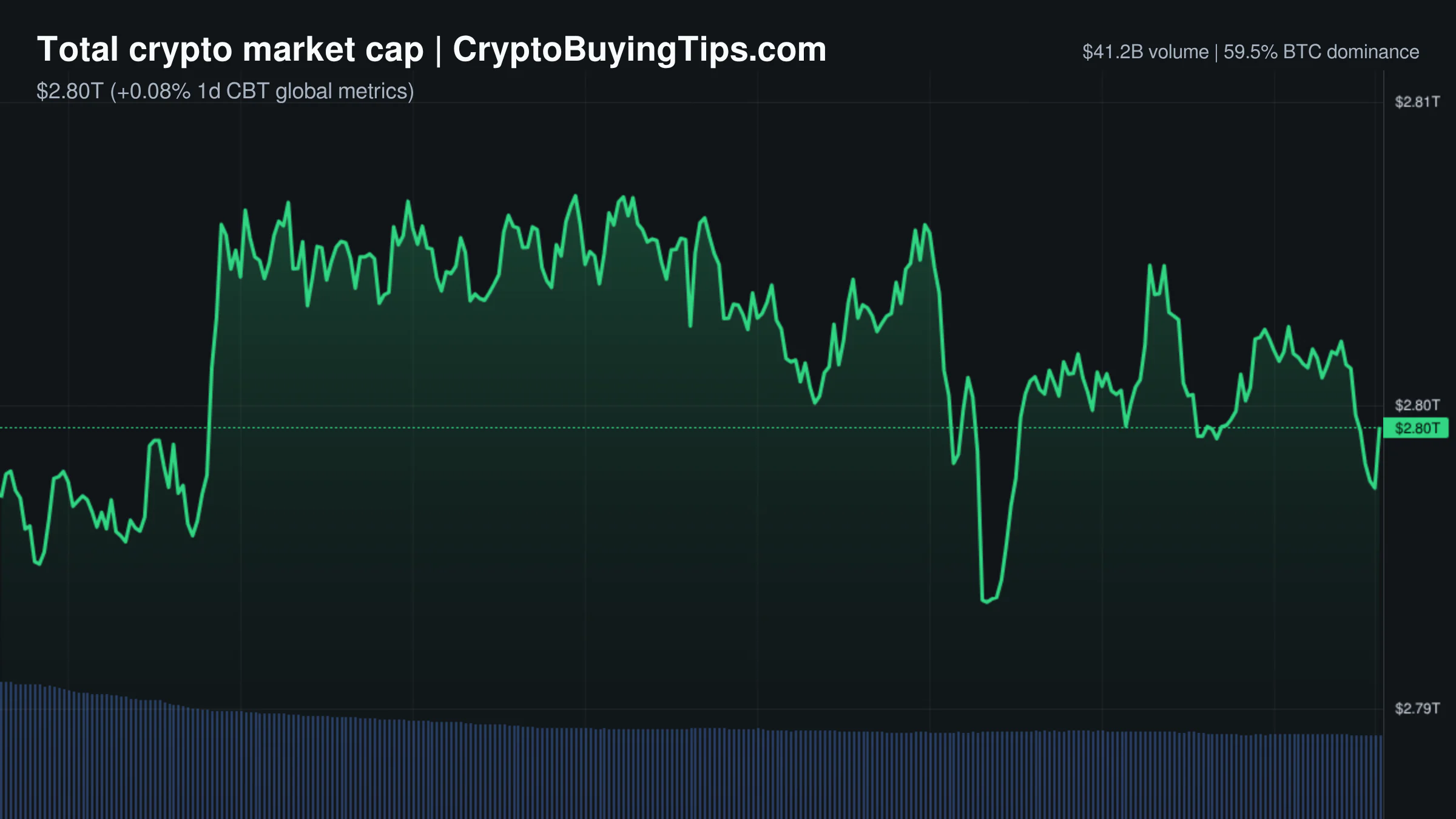
Crypto Market Overview | volume collapse amid regulatory focus on event contracts | October 11, 2026
Crypto market overview shows volume collapse amid regulatory focus on event contracts, with spot and derivatives…

StarkNet is ripping but the altcoin season narrative is a lie
StarkNet's recent surge has the usual crowd convinced an altcoin season has arrived; our data suggests this rally is…
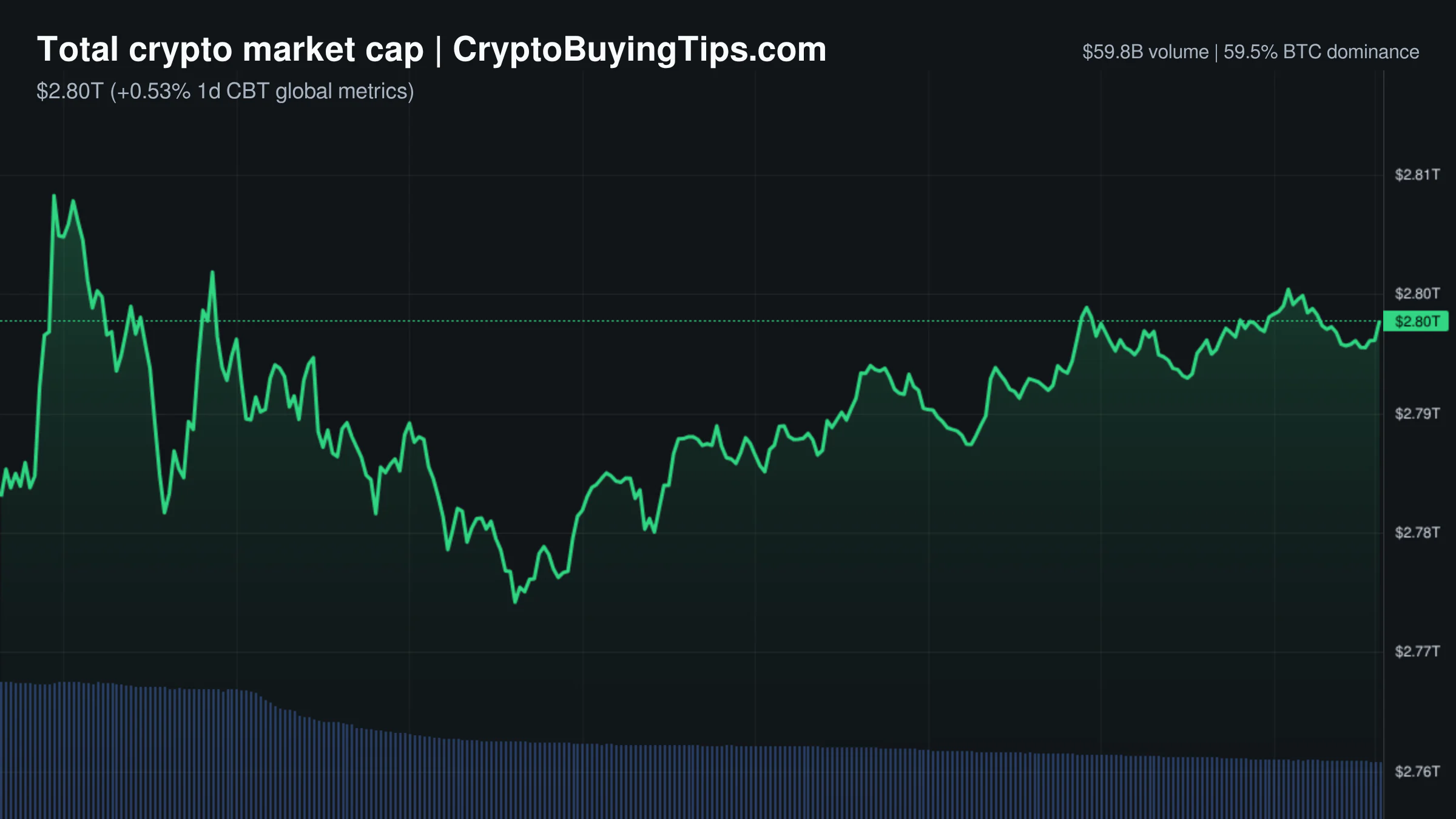
Crypto Market Overview | Liquidity vanishes as spot volume drops while derivatives remain bloated | October 10, 2026
Spot volume drops while derivatives remain bloated in today's crypto market overview; see what our data shows about…
HSBC is building AI payment rails while OpenAI war-games a catastrophe
The financial world seems to be installing high-end pipes while simultaneously rehearsing for an earthquake.…