
Litecoin just rewrote its own history to stop a hack. That should scare you
The crypto world loves to talk about "immutability," the idea that once a transaction is on the blockchain, it is set in stone. But Litecoin just proved that for some, the rules are flexible. After a security failure in a privacy layer led to a massive exploit, the network essentially hit the undo button to save funds. While the "good guys" got their money back, this event raises a massive red flag for anyone using bridge protocols or asking are cross chain swaps safe. If a blockchain can be rolled back to fix a mistake, the very foundation of trust in decentralized ledgers starts to look a bit shaky.
What actually happened
Litecoin recently dealt with an exploit targeting a privacy-preserving layer. This wasn't a failure of the main Litecoin chain itself, but rather a vulnerability in how assets were being moved and hidden. A hacker managed to drain a significant amount of funds by exploiting a flaw in the logic of the cross-chain mechanism.
Instead of letting the hacker walk away with the loot, the community and miners decided to perform a rollback. They basically rewrote the blockchain's history to a point before the hack happened. In the world of traditional finance, this would be like a bank deciding a robbery didn't happen and just magically putting the money back in the vault. It works, but it's a terrifying precedent.
Why this is a problem for the "trustless" narrative
I've been following the markets since 2019, and if there is one thing I've learned, it's that "trustless" is often a marketing term. We are told we don't need to trust a middleman because the code is law. But when the code fails, the "law" is suddenly whatever the most powerful miners and developers agree on.
This rollback is a bit like the Arbitrum incident I wrote about a while back, where 30,000 ETH was clawed back. It solves the immediate problem, but it creates a systemic risk. If a network can be rolled back for a "righteous" reason, what stops it from being rolled back for a political reason? Or because a whale made a mistake and has enough influence to demand a redo?
Are cross chain swaps safe?
The real culprit here wasn't just the rollback, but the bridge that allowed the hack to happen. When people ask me are cross chain swaps safe, my honest answer is: usually, no. Bridges are the weakest link in the entire crypto ecosystem.
A cross-chain swap typically involves locking an asset on one chain and minting a representative version on another. This creates a "honey pot" of locked assets that hackers love. You are essentially trusting a piece of third-party code to manage your money across two different networks. If that code has a bug, your funds are gone, and you're praying that the community feels charitable enough to perform a rollback.
In my experience, the only way to truly secure your assets is to get them off these bridges and into a cold environment. I've always preferred hardware wallets for this. For example, the Ledger Nano Gen5 is a great entry point because it brings a touchscreen and NFC recovery to a price point that doesn't hurt too much. It doesn't stop a bridge from being hacked, but it ensures that the assets you actually hold are under your control, not locked in a vulnerable smart contract.
The bigger risk of the "undo" button
I'm glad the victims got their money back, but I'm uncomfortable with the method. The beauty of Bitcoin and its descendants was supposed to be that no one, not even the creators, could just change the past.
When we introduce the ability to rewrite history, we move away from a decentralized ledger and back toward a centralized database. We are essentially trading long-term philosophical integrity for short-term financial recovery.
My final take
Litecoin's move was a pragmatic one, but it's a blow to the ethos of crypto. It tells us that the "immutability" we're sold is actually just "immutability until things go wrong."
If you are using cross-chain protocols or privacy layers, you need to realize you aren't just trusting the math. You are trusting a small group of people to agree on what the "correct" history of the blockchain should be. That's not a technical guarantee. That's just a social agreement. And as anyone who has watched the financial system fail knows, social agreements are the first things to break when the pressure gets too high.
Related Tickers
Some links in this article may be affiliate links. We may earn a commission at no extra cost to you — this never influences our analysis or coverage.

Sigrid Voss
Crypto analyst and writer covering market trends, trading strategies, and blockchain technology.
More Articles

Stablecoins are leaving the exchanges. HSBC just proved it
The market seems preoccupied with leverage ratios while real money moves elsewhere; a major bank issuing licensed…
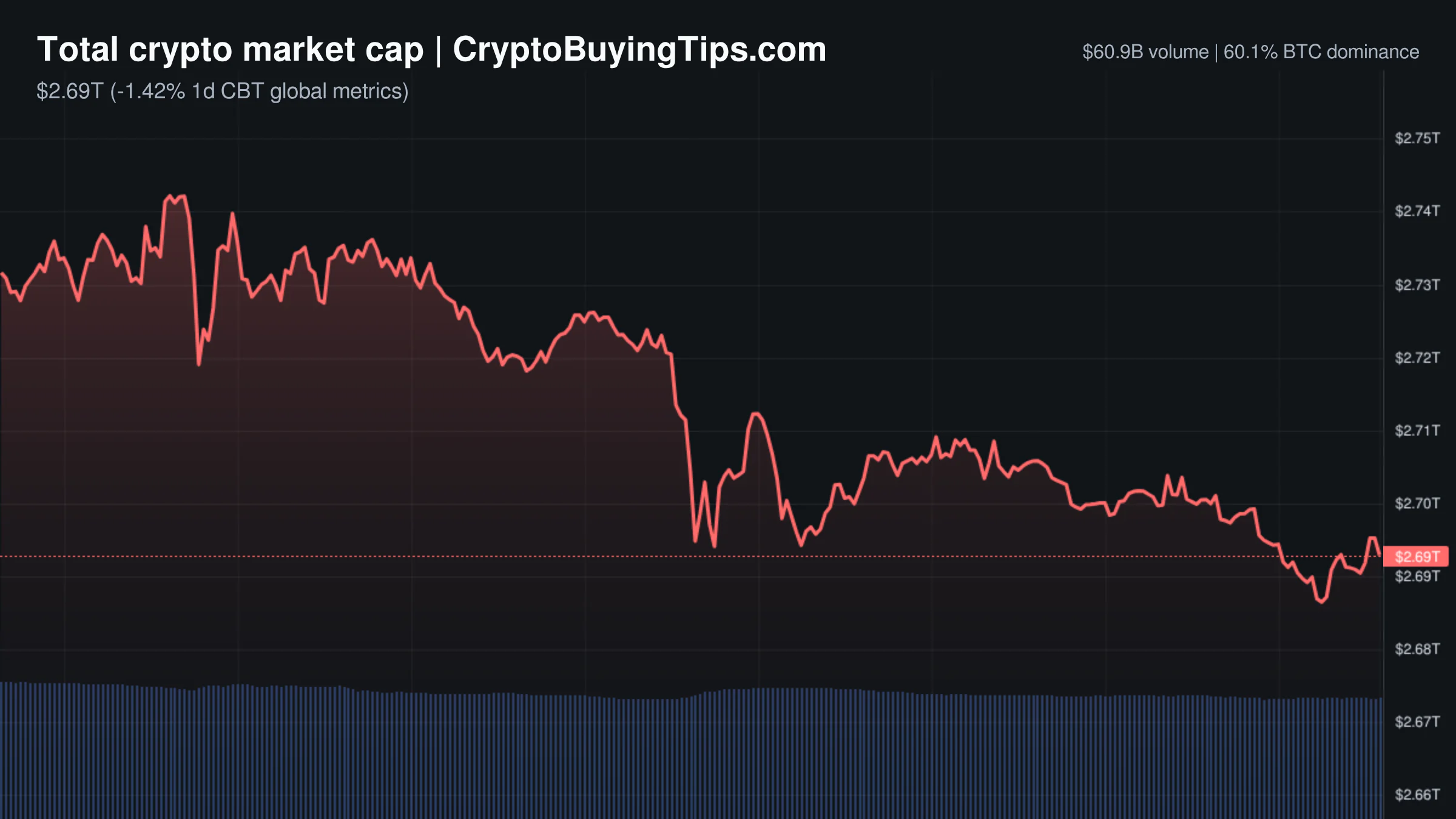
Crypto Market Overview | Derivatives volume dwarfs spot activity amid regulatory uncertainty and institutional outflows | October 24, 2026
Derivatives volume dwarfs spot activity amid regulatory uncertainty and institutional outflows, showing market…

Fidelity outflows and Ethereum OG dumps suggest a hidden exit
Another day of market data suggesting everything is fine until you look at the outflows and OG dumping. Institutional…
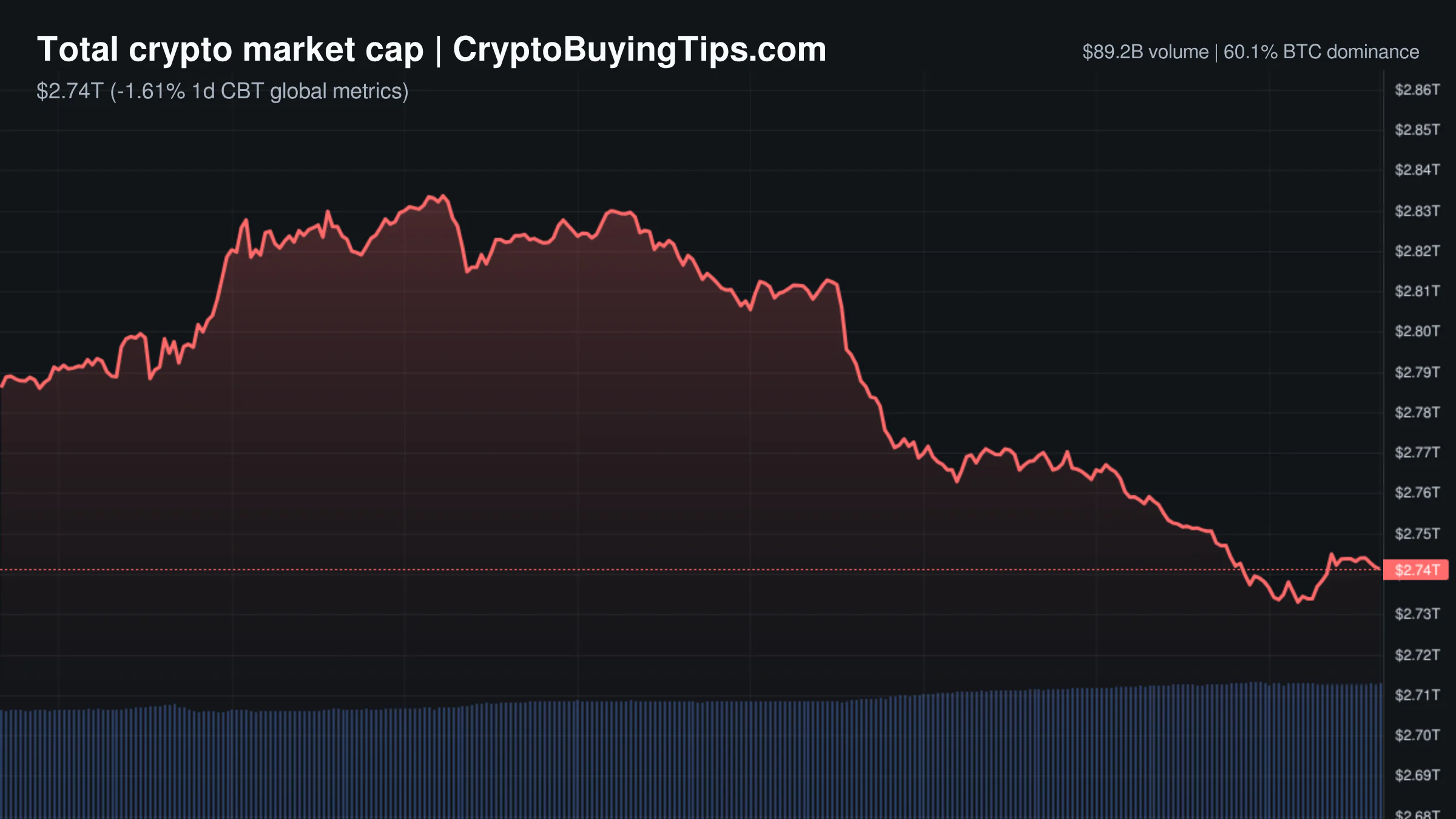
Crypto Market Overview | Leveraged bets surge amid regulatory clarity and institutional inflows | October 22, 2026
The market shows divergence between spot interest and leveraged bets amid regulatory clarity; see our overview here.