

North Korea is playing a different game with DeFi heists
I've been tracking the crypto markets since 2019, and if there is one thing I've learned, it's that the "big" hacks are rarely just bad luck. They are usually the result of a specific, evolving strategy. Right now, we are seeing North Korean state-sponsored actors move away from simple phishing and toward a systemic attack on how DeFi protocols actually talk to each other. If you are wondering how to protect crypto from defi hacks, you have to stop looking at individual apps and start looking at the "contagion chain" where one failure triggers another.
The cadence of the new playbook
For a long time, the narrative around North Korean hacks was all about social engineering. They'd trick a developer into downloading a malicious PDF, steal a private key, and drain a wallet. That still happens, but the strategy has shifted. They are now targeting the basic assumptions of decentralized systems.
Look at the recent mess involving Kelp DAO, LayerZero, and Aave. This wasn't just a random exploit. It was a targeted strike on the plumbing of DeFi. By attacking the way liquid restaking tokens (LRTs) interact with cross-chain messaging protocols and lending markets, they created a domino effect. They didn't just steal funds; they exploited the trust that Aave has in the assets deposited into it.
In my experience, this is the most dangerous phase of the market. When hackers target the "middleware" (the stuff that connects different protocols), the risk isn't just limited to the project that got hit. It spreads to every other protocol that accepts those tokens as collateral.
Why the contagion chain is a nightmare
The problem is that DeFi is built like a stack of Lego bricks. If the bottom brick (the base layer or the messaging protocol) is compromised, the whole tower shakes.
North Korea is specifically looking for these "trust gaps." When a protocol like Aave allows a specific token as collateral, it's making a bet that the token's value and the protocol's logic are sound. The Lazarus Group and their affiliates are essentially auditing these systems for weaknesses in real time. They find a way to manipulate the price or the minting process of an asset, and then they use that "fake" value to borrow real assets (like ETH) from a lending pool.
It is a sophisticated form of arbitrage where the "edge" is a security flaw. I find it frustrating that we still treat every hack as a surprise. The pattern is clear: find a dependency, break the dependency, and drain the pool.
How to protect crypto from defi hacks
Honestly, the hard truth is that you cannot "fix" a protocol's code if you are just a user. You are essentially trusting that the developers are smarter than the state-sponsored hackers. But you can control where your assets live and how you interact with these systems.
First, stop keeping your long-term holdings in "hot" DeFi protocols. If you are chasing 5% yield but risking 100% of your principal on a protocol with complex cross-chain dependencies, you are gambling, not investing. I prefer to keep my core holdings offline. I use the Ledger Stax because its Transaction Check feature actually helps me spot DeFi scams before I sign them. Having a curved E Ink screen is nice, but the ability to see exactly what a contract is asking me to sign is what actually matters when North Korean hackers are trying to trick you into granting "infinite approval" to a malicious contract.
Second, be skeptical of "liquid" everything. Liquid staking, liquid restaking, liquid wrappers. Every time you wrap a token, you add a layer of risk. If the wrapper is hacked, your original asset might be gone, regardless of whether the underlying blockchain is secure.
What I'm watching next
I am keeping a close eye on the "oracle" problem. Most of these heists rely on manipulating the data that tells a protocol what an asset is worth. If we don't see a shift toward more decentralized, multi-source price feeds, these contagion attacks will keep happening.
The market is currently in a "Bitcoin Season" with an Altcoin Season Index of only 17/100, meaning most money is hiding in BTC. That makes sense. When the DeFi plumbing feels this unstable, the safest place is the most boring asset. I'm not saying you should leave DeFi entirely, but I am saying you should stop pretending that "audited" means "safe." An audit is just a snapshot in time. The hackers are working in real time.
Some links in this article may be affiliate links. We may earn a commission at no extra cost to you — this never influences our analysis or coverage.

Sigrid Voss
Crypto analyst and writer covering market trends, trading strategies, and blockchain technology.
More Articles
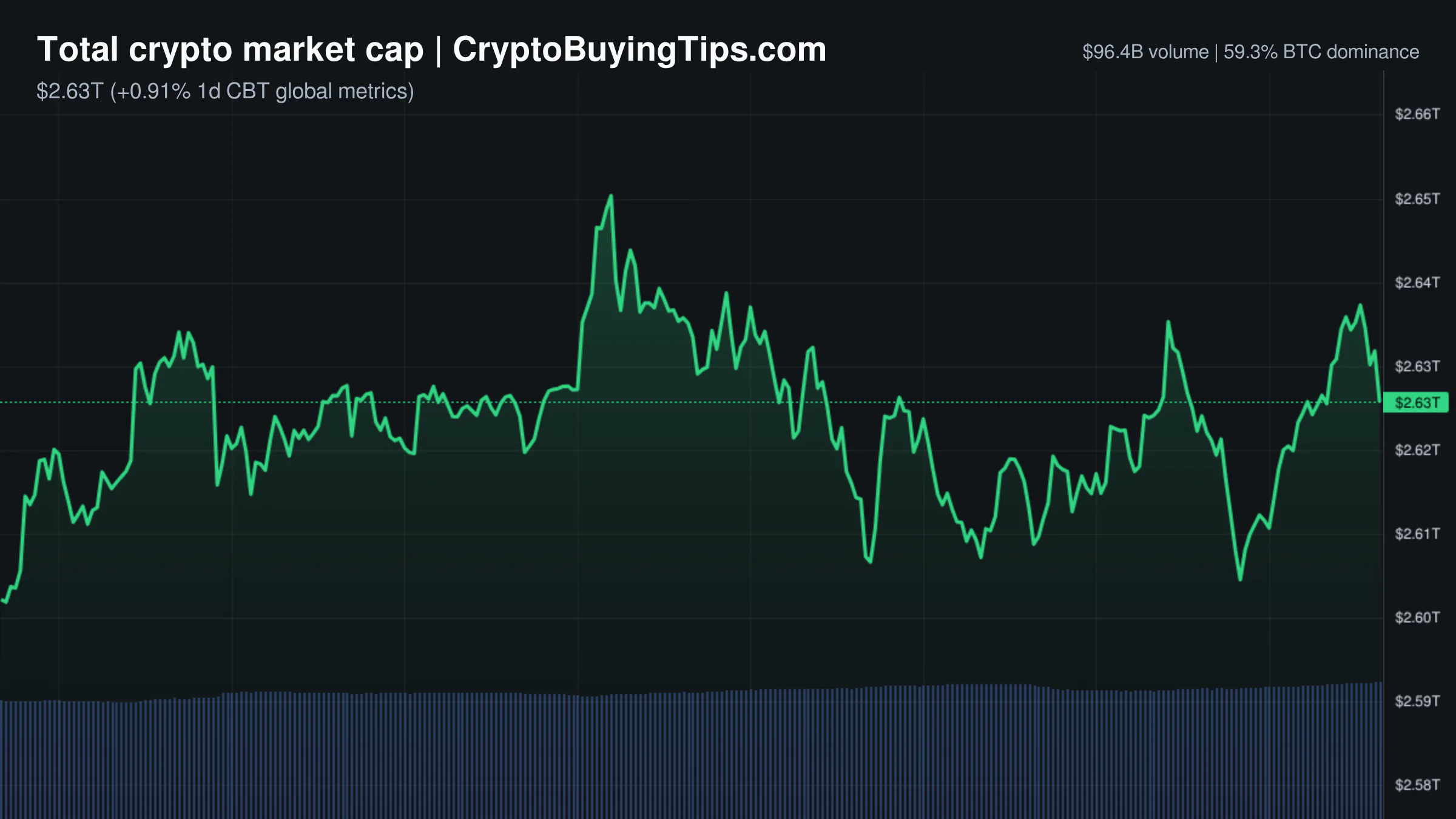
Crypto Market Overview | Leverage-driven rally amid strong ETF inflows as BTC targets 80k | August 24, 2026
Leverage-driven rally sees BTC near 80k amid strong ETF inflows; see our market overview on current crypto dynamics.

Derivatives volume is 8x higher than spot. Here is why that is a warning
The market's current price action seems to be driven by bets rather than cash; with derivatives volume eight times…
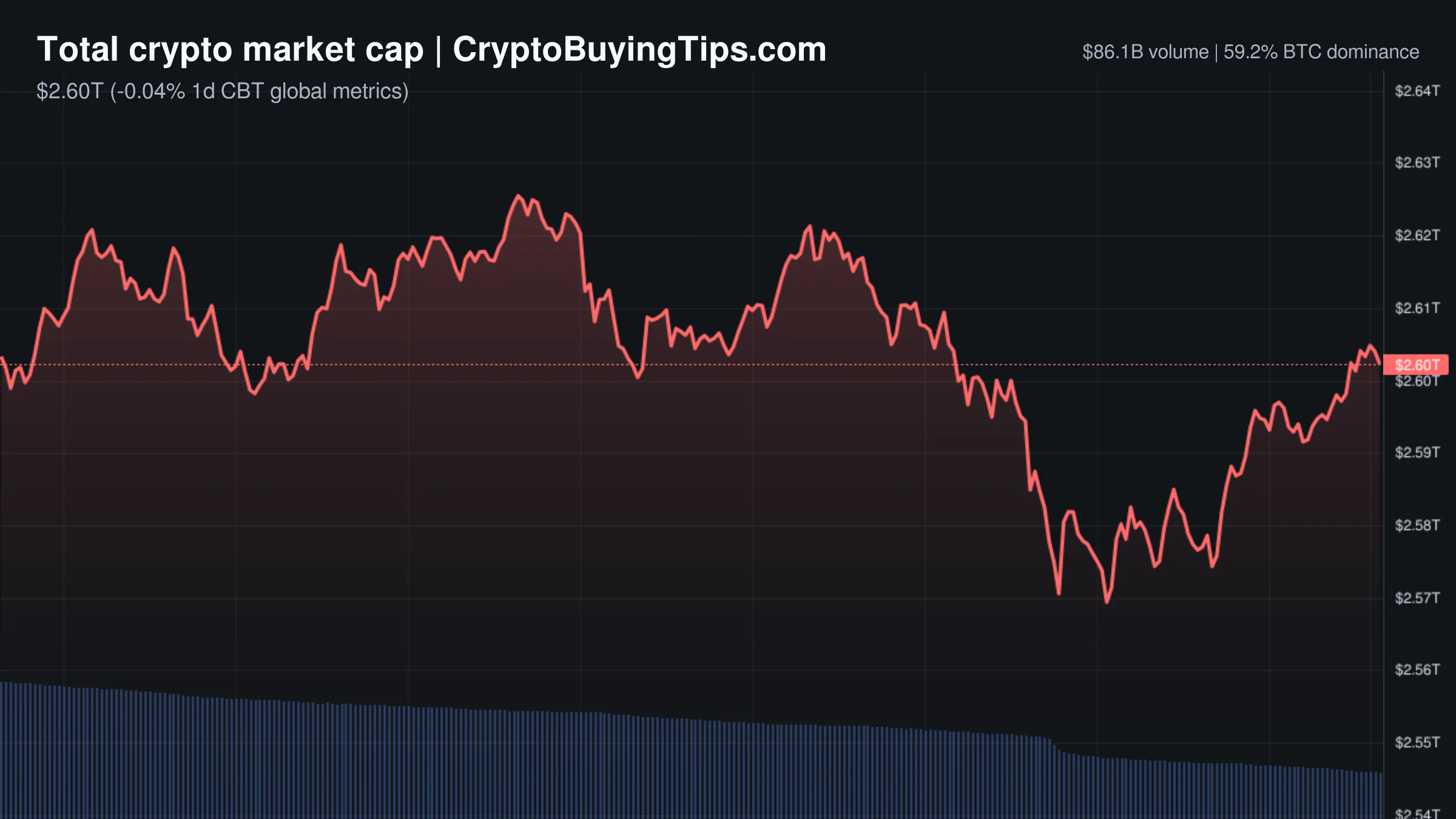
Crypto Market Overview | volume collapses as greed persists amid regulatory friction | August 23, 2026
Volume collapses as greed persists amid regulatory friction; see our market overview on crypto's current state and key…

Brussels is coming for DeFi vaults and the market is ignoring the risk
Brussels seems to think "decentralized" is just an aesthetic choice for now. Our read suggests MiCA regulation isn't…