

Arbitrum just clawed back 30,000 ETH from a hacker. Here is why that is a dangerous precedent
The crypto world loves a happy ending, and recovering 30,000 ETH from a hacker looks like a win on the surface. But if you look at how the Arbitrum Security Council actually did it, the victory tastes a bit like copper. They didn't use a clever smart contract trick or negotiate with the attacker. They used a "Type 101" transaction to essentially reach into a wallet and pull the funds out. For anyone wondering how does arbitrum security council work, this event just gave us a very clear, and slightly terrifying, answer.
The mechanism of the seizure
To understand why this is a big deal, we have to look at the plumbing. In a standard blockchain transaction, the owner of the private key signs a message to move funds. Without that signature, the funds stay put. That is the fundamental promise of self-custody.
The Arbitrum Security Council bypassed that. They used a specific administrative power to execute a transaction that forced the movement of ETH from the hacker's address back to a secure location. This isn't a "recovery" in the way we usually think about it. It is a forced seizure. The Security Council acts as a group of trusted signers who can intervene in emergencies to prevent catastrophic losses or fix critical bugs. In this case, they decided that the "emergency" justified overriding the basic rules of ownership.
Why this is a dangerous precedent
I've been following these markets since 2019, and the tension between security and decentralization is the one fight that never ends. On one hand, the Council saved a massive amount of money. On the other, they just proved that your funds on Arbitrum are only yours as long as the Council agrees they are.
If a small group of people can decide that a specific address is "bad" and forcibly move its funds, the concept of "not your keys, not your coins" takes on a whole new meaning. It is no longer just about whether you use an exchange or a wallet. It is about whether the layer you are building on has a "god mode" switch.
The danger here is the slope. Today, it is a hacker who stole 30,000 ETH. Tomorrow, could it be a "sanctioned" entity? A user who is simply unpopular? Once the technical capability to seize funds is normalized, the criteria for using that power always expands. I think we are trading long-term censorship resistance for short-term peace of mind.
The risk of "trusted" security
The Arbitrum Security Council is designed to be a safety net. But a safety net that can also pull the rug out from under you is a precarious thing. This event shows that Arbitrum is still very much a centralized entity in its emergency responses.
If you are uncomfortable with the idea of a council having this much power, the only real solution is to move your assets off the chain or into structures that don't rely on a single point of failure. I've always preferred keeping the bulk of my holdings in a hardware wallet to avoid exchange risk, and I use the Ledger Stax because the Transaction Check feature helps me spot the kind of DeFi scams that lead to these "emergencies" in the first place. But even a hardware wallet can't protect you if the network itself decides to move your money.
Where I land on this
I'm glad the money didn't stay with the hacker. I really am. But I'm not going to pretend this is a purely positive development.
We are seeing a trend where "security" is used as a justification for centralization. It's a trade-off. We get a safer environment where hacks can be undone, but we lose the core promise of blockchain: that no one, not even the creators, can touch your money without your permission.
I'll be watching to see if the Council publishes a strict, transparent set of rules for when this power is used. If they keep it vague, then we aren't using a decentralized network. We are just using a very fast database managed by a committee.
Some links in this article may be affiliate links. We may earn a commission at no extra cost to you — this never influences our analysis or coverage.

Sigrid Voss
Crypto analyst and writer covering market trends, trading strategies, and blockchain technology.
More Articles
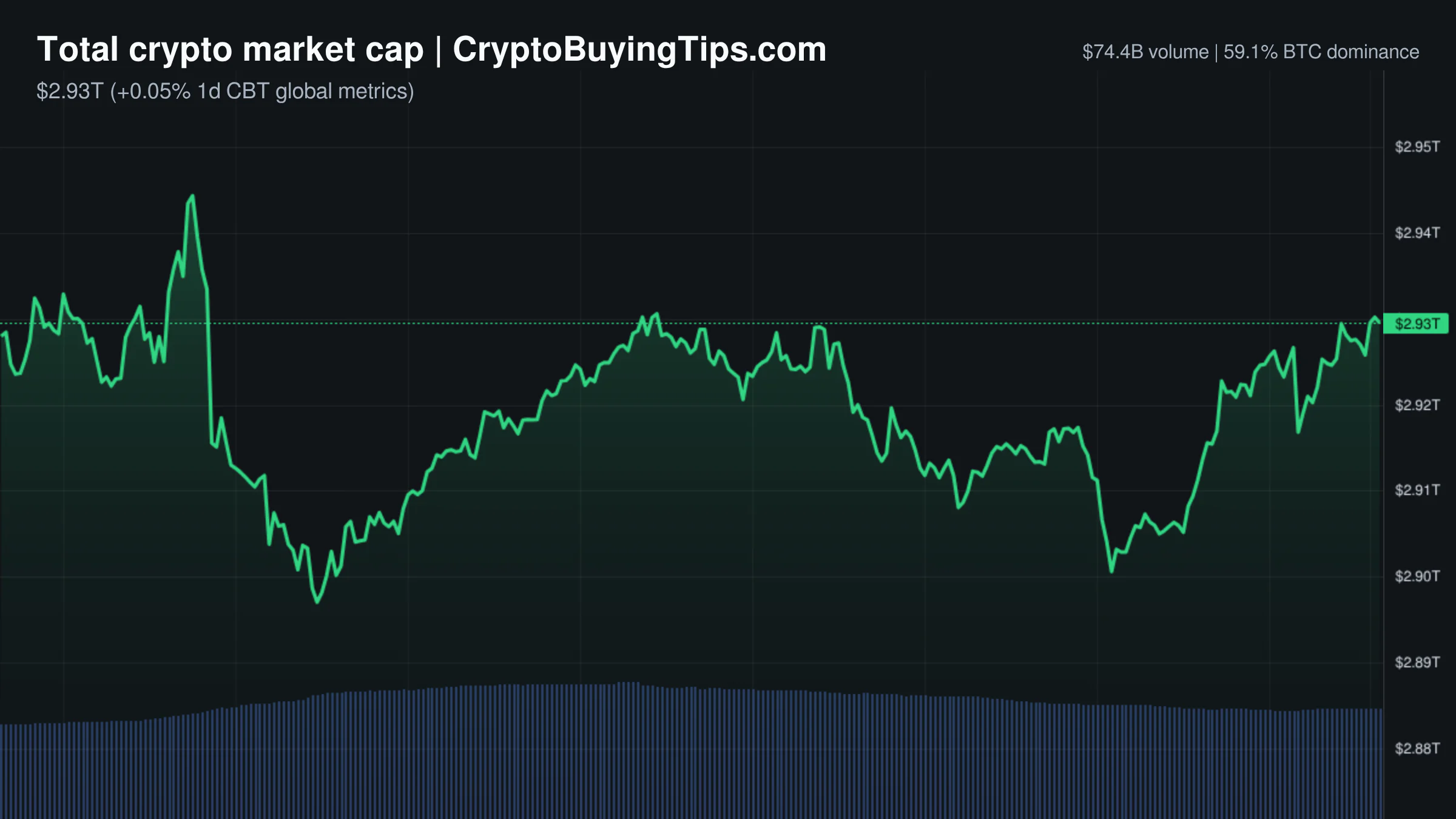
Crypto Market Overview | Leveraged derivatives volume dwarfs spot trading amid institutional infrastructure developments | October 6, 2026
Leveraged derivatives volume dwarfs spot trading at $2.93T market cap; see how institutional infrastructure developments…

Solana just tried to fire the clearinghouses
Another day, another attempt to make old banking rails look quaint. Solana’s Delivery-versus-Payment (DvP) rail is less…

Crypto Market Overview | Speculative leverage dwarfs spot activity as bitcoin leads the market | October 5, 2026
Speculative leverage dwarfs spot activity as bitcoin leads the market overview; see how derivatives volume drives…

FET rips 13% as the market bets on the new AI czar
The AI narrative continues to drive capital flow regardless of policy nuance; FET jumped over 13 percent on news linking…