
Your hunt for 50% APY is a gift to hackers
I've spent the last few years watching people treat DeFi like a high-yield savings account, but without the insurance. It's a dangerous game. When you see a protocol offering returns that seem impossible, you aren't the customer; you're the liquidity for someone else's exit or a target for a script kiddie. Most people just check if a project has a "verified" badge and move on, but if you're putting your ETH or BTC into a contract, you need to understand what is a smart contract audit and why a single PDF doesn't make your money safe.
The short answer
A smart contract audit is a professional review of a protocol's code by a third-party security firm. The auditors look for bugs, logic errors, and vulnerabilities that hackers could exploit to drain funds. However, an audit is a snapshot in time, not a guarantee of safety.
How it actually works
When developers write a smart contract, they are essentially writing a law that cannot be changed once it is deployed to the blockchain. If there is a typo or a logical flaw in that "law," a hacker can use it to their advantage.
Auditors use a mix of manual review and automated tools to find these holes. They try to "break" the code in a sandbox environment before it goes live. If they find a bug, the developers fix it, and the auditor verifies the fix. Once finished, the firm issues a report.
I've read enough of these reports to know that they vary wildly in quality. Some are deep, technical dissections. Others are just "rubber stamp" audits where the firm barely looked at the logic and just checked for basic common errors. If you see a project bragging about an audit but won't link the actual report, that's a massive red flag.
Where people get tripped up
The biggest mistake I see is the belief that "audited" means "unhackable." This is simply not true.
First, audits only cover the code that was audited. If a developer changes a small part of the contract after the audit, the original report is useless. Second, some of the biggest heists in history happened to audited protocols. We previously covered the DeFi Complexity Problem and how multi-layered protocols create risks that even the best auditors miss.
Then there is the issue of admin keys. A contract can be perfectly audited, but if the developers keep the "god keys" in a hot wallet and get phished, the audit doesn't matter. The hackers just use the keys to tell the contract to send all the money to their own address. This is exactly how many DeFi wallet risks manifest in the real world.
Putting it into practice
If you're determined to chase yield, you have to stop acting like a gambler and start acting like a risk manager.
Stop trusting "trust me bro" narratives. If you're moving significant funds, get them out of your browser wallet. I prefer using the Ledger Stax because it has a Transaction Check feature that helps detect DeFi scams before you sign them. Having a curved E Ink screen makes it much easier to actually read what you're signing, which is where most people fail.
Before you deposit a single token, ask yourself these three things:
- Who audited this and is the full report public?
- Is the protocol multisig or does one person hold the keys?
- Is the yield coming from a real source, or is it just "printing" tokens to attract liquidity?
The current market is weird. We're seeing a massive volume collapse, with spot volume down 32% and derivatives down nearly 40%. When the market goes quiet and sentiment turns neutral, that's often when the most predatory "yield opportunities" appear to lure in bored capital. Don't let the silence trick you into taking a risk you don't understand.
Trade the news at our editorial-picked exchange: MEXC
Some links in this article may be affiliate links. We may earn a commission at no extra cost to you — this never influences our analysis or coverage.

Sigrid Voss
Crypto analyst and writer covering market trends, trading strategies, and blockchain technology.
More Articles
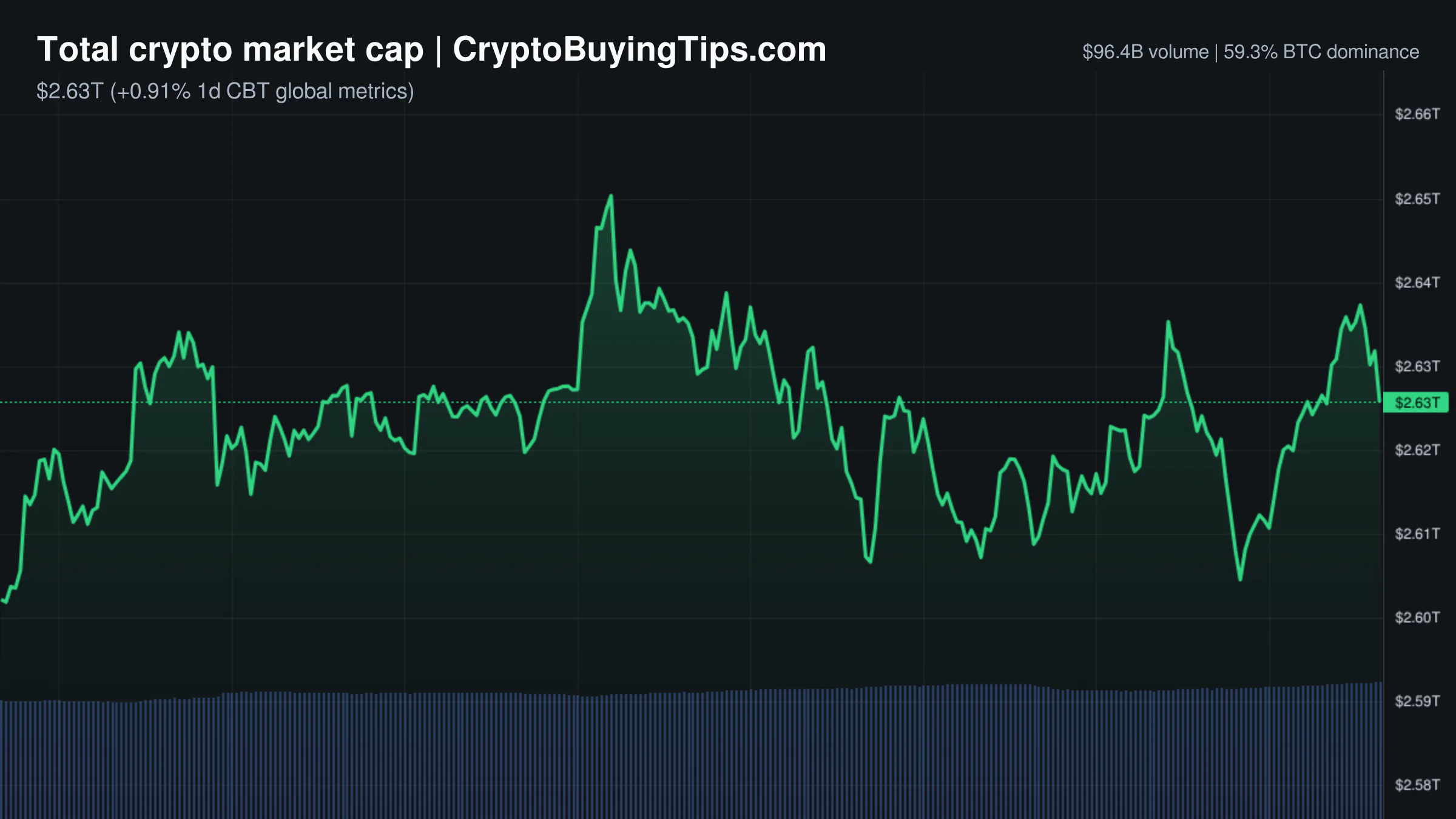
Crypto Market Overview | Leverage-driven rally amid strong ETF inflows as BTC targets 80k | August 24, 2026
Leverage-driven rally sees BTC near 80k amid strong ETF inflows; see our market overview on current crypto dynamics.

Derivatives volume is 8x higher than spot. Here is why that is a warning
The market's current price action seems to be driven by bets rather than cash; with derivatives volume eight times…
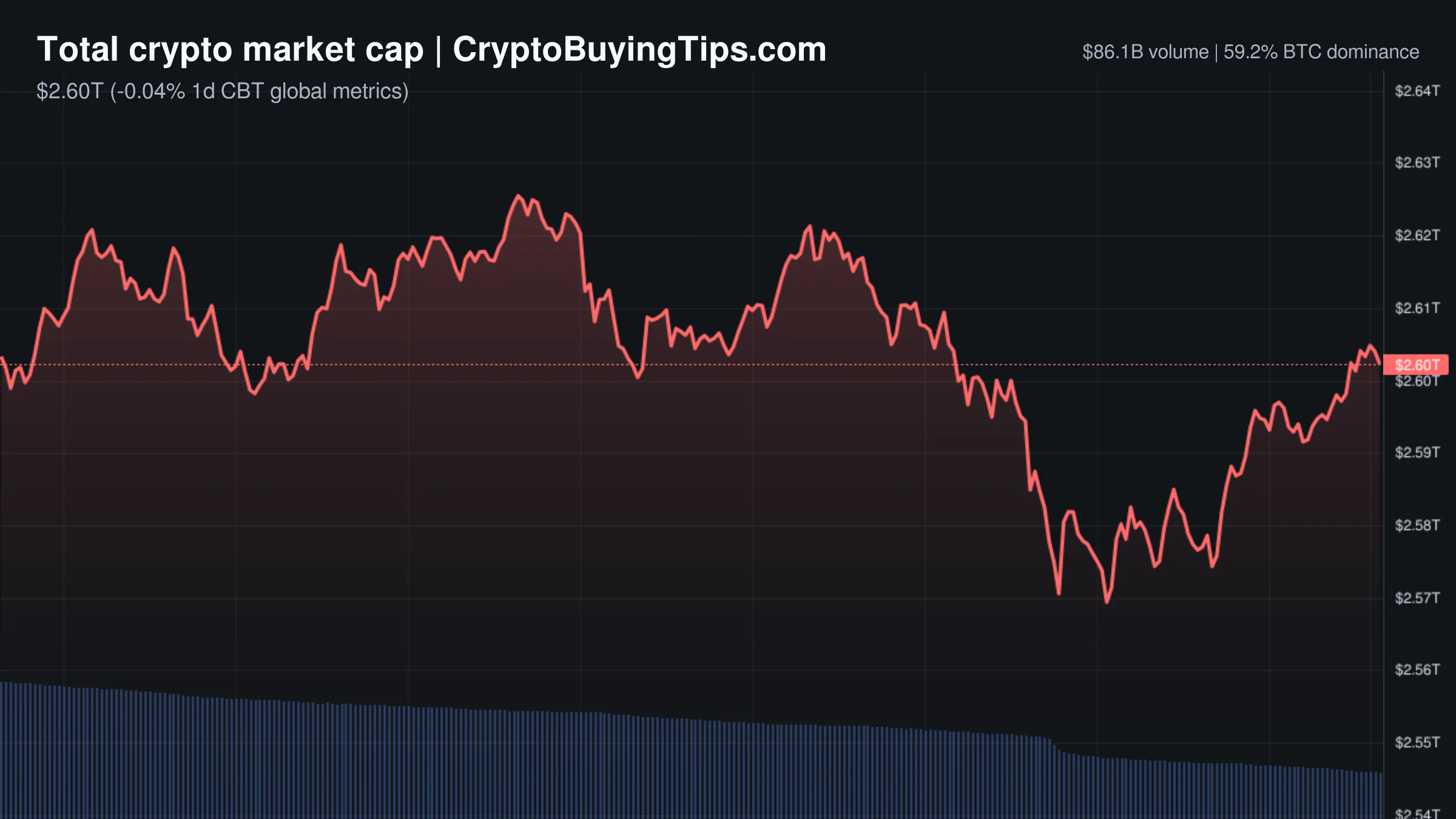
Crypto Market Overview | volume collapses as greed persists amid regulatory friction | August 23, 2026
Volume collapses as greed persists amid regulatory friction; see our market overview on crypto's current state and key…

Brussels is coming for DeFi vaults and the market is ignoring the risk
Brussels seems to think "decentralized" is just an aesthetic choice for now. Our read suggests MiCA regulation isn't…