
A $360 million Binance hack just happened. Here is what you need to do now
The news just hit that Binance suffered a $360 million hack. If you have funds on the exchange, your first instinct is probably to panic and hit the withdraw button. I get it. But before you do anything, you need to understand what this means for your specific assets and why this is the perfect moment to finally look for the best hardware wallet for beginners 2026 to move your long-term holdings off the grid. We previously covered AI’s role in crypto for more background.
The short answer
If your funds are on Binance, check your account balance and monitor official communications. Most major exchanges have insurance funds to cover these gaps, but that doesn't mean your funds are instantly safe. The only way to actually secure your money is to move it to a wallet where you control the private keys.
How it actually works
When you keep money on an exchange, you don't actually own those coins. You own a promise from the exchange that they will give them back to you. The exchange holds the private keys in their own wallets. If a hacker gets into those systems, they can drain the funds before the exchange even notices.
This is what we call custodial risk. You are trusting a third party with your wealth. While Binance is one of the largest players, this hack proves that no matter how big the security budget is, a determined attacker can find a way in. I've seen this play out too many times since I started tracking this market in 2019.
To fix this, you need self-custody. This means using a hardware wallet, which is a physical device that keeps your private keys offline. Even if your computer is infected with malware or the exchange you used is hacked, the hacker cannot touch your funds because the keys never leave the device.
Where people get tripped up
The biggest mistake I see beginners make is thinking a software wallet (like MetaMask or Phantom) is the same as a hardware wallet. It isn't. Software wallets are "hot" because they are connected to the internet. If your laptop gets compromised, your software wallet can be drained.
Another common trap is the "fear trade." People see a hack, panic sell their BTC or ETH at a loss, and then realize the exchange is actually solvent. Don't let the volatility dictate your security strategy.
I also notice people ignoring the "seed phrase" rule. If you buy a hardware wallet, you'll get a 12 or 24 word recovery phrase. If you store that in a photo on your phone or in a cloud document, you've just recreated the same vulnerability you were trying to avoid. Write it on paper. Store it in a safe. Never type it into a website.
Putting it into practice
If you're tired of waking up to news about another $300 million disappearing, it's time to move.
First, audit your holdings. If you have more than a few hundred dollars on an exchange, you are taking an unnecessary risk. I personally use Ledger Nano Gen5 for my entry-level security needs because it brings a secure E Ink touchscreen to a budget price point for around $99. It's a massive upgrade over the old Nano X and makes verifying transactions much easier so you don't accidentally sign a scam contract.
Second, if you're dealing with a lot of different altcoins and want to swap them without keeping them on a centralized exchange, look into non-custodial services. I've found StealthEX useful for this because they don't require account registration or KYC for most swaps, which reduces the amount of personal data you have floating around on the web.
Finally, set up two-factor authentication (2FA) on your exchange accounts, but use an app like Google Authenticator or a physical YubiKey. Never use SMS 2FA, as SIM swapping is a favorite tool for the same people who carry out these big exchange heists.
We previously covered DeFi wallet risks and how admin keys can be compromised. The lesson is the same: the only person you can truly trust with your money is yourself.
Trade the news at our editorial-picked exchange: MEXC
Some links in this article may be affiliate links. We may earn a commission at no extra cost to you — this never influences our analysis or coverage.

Sigrid Voss
Crypto analyst and writer covering market trends, trading strategies, and blockchain technology.
More Articles
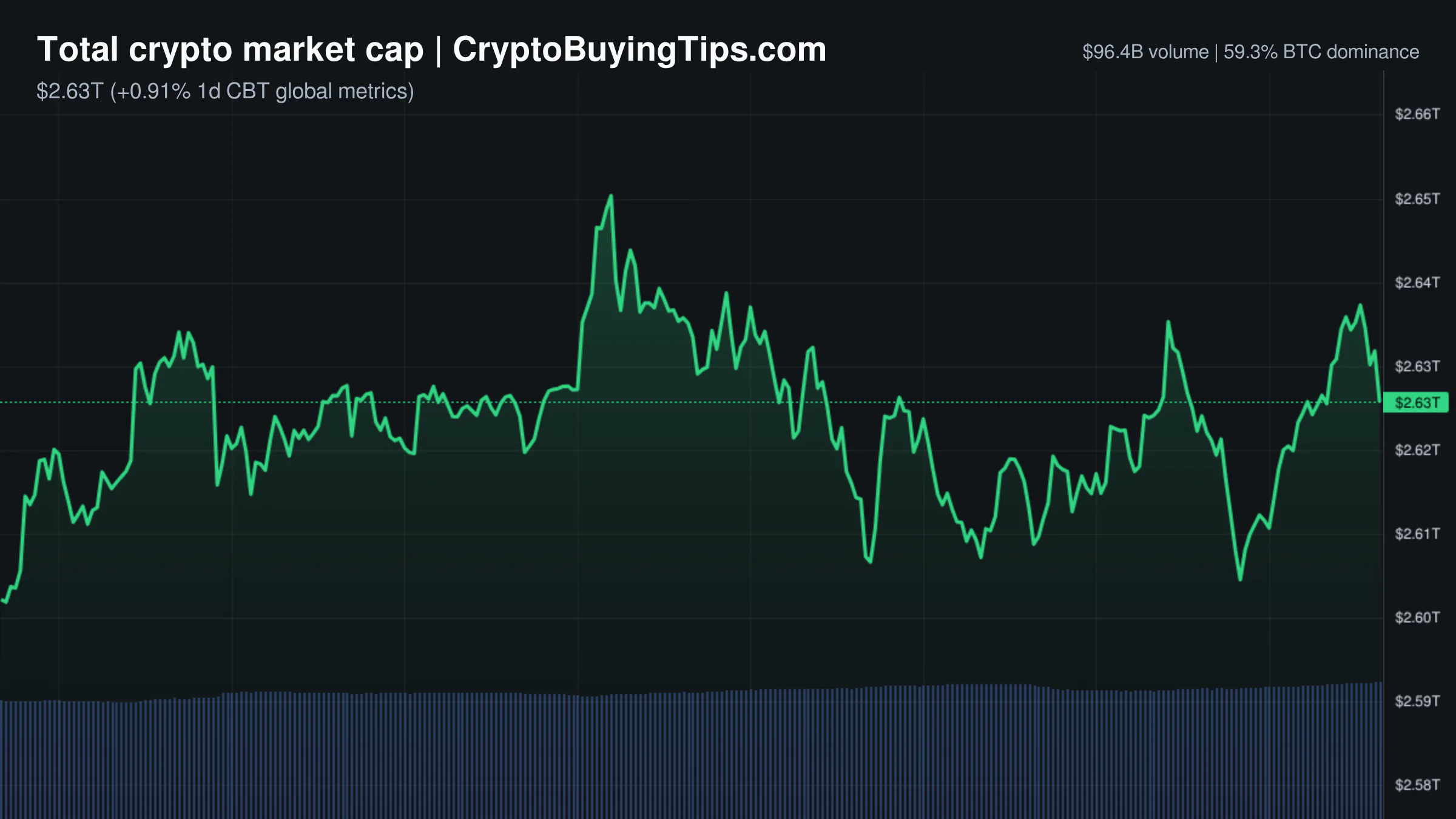
Crypto Market Overview | Leverage-driven rally amid strong ETF inflows as BTC targets 80k | August 24, 2026
Leverage-driven rally sees BTC near 80k amid strong ETF inflows; see our market overview on current crypto dynamics.
Derivatives volume is 8x higher than spot. Here is why that is a warning
The market's current price action seems to be driven by bets rather than cash; with derivatives volume eight times…
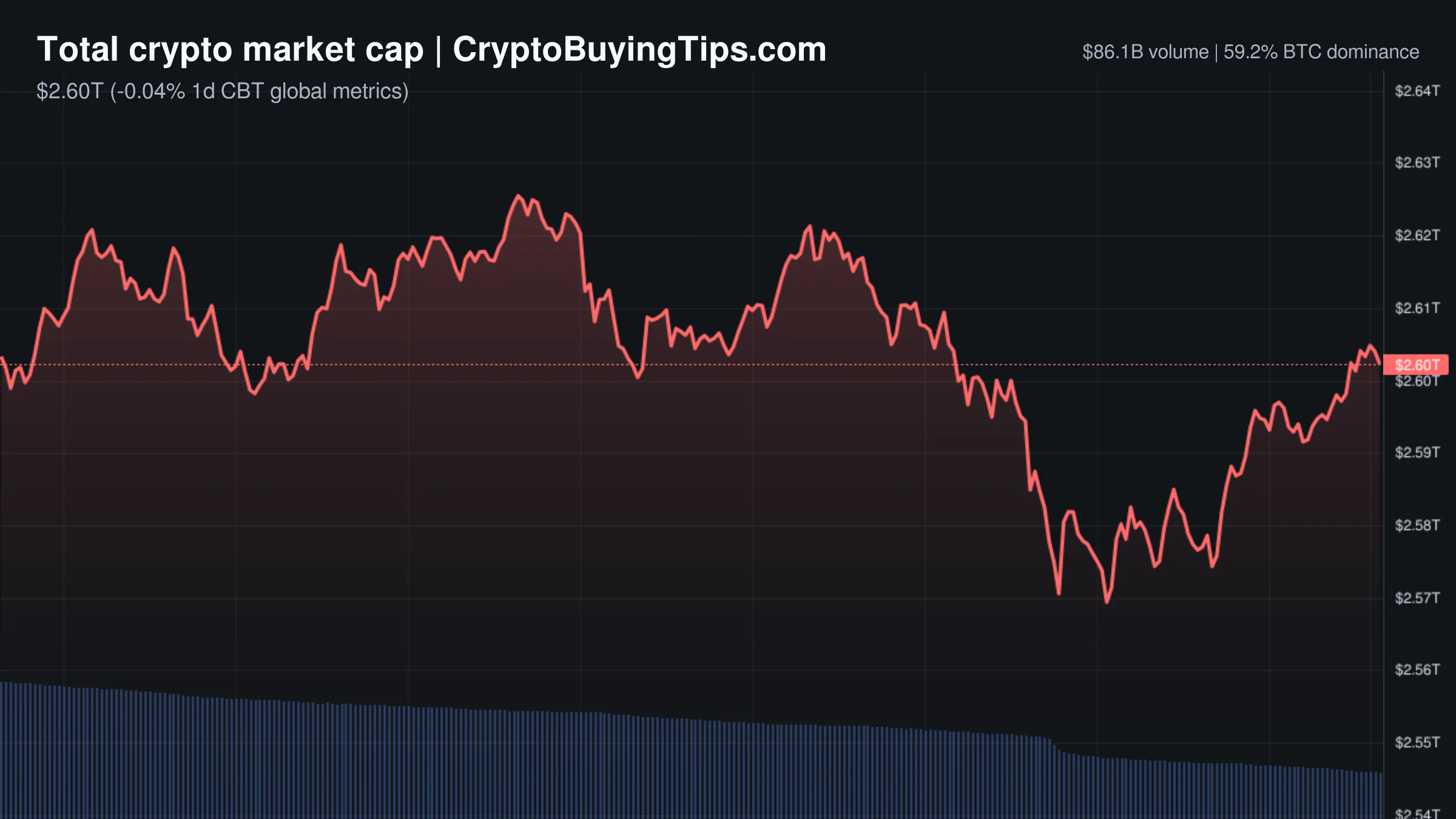
Crypto Market Overview | volume collapses as greed persists amid regulatory friction | August 23, 2026
Volume collapses as greed persists amid regulatory friction; see our market overview on crypto's current state and key…

Brussels is coming for DeFi vaults and the market is ignoring the risk
Brussels seems to think "decentralized" is just an aesthetic choice for now. Our read suggests MiCA regulation isn't…