

THORChain just lost $10M in a cross-chain exploit and it proves bridges are still a nightmare
Another day, another DeFi disaster. THORChain just got hit for $10 million in a cross-chain exploit, and while the "institutional" crowd is busy talking about ETFs and regulation, the actual plumbing of the crypto world is still leaking. If you are looking for the safest way to swap btc for eth, this is exactly why you should be terrified of "magic" one-click bridges and trustless protocols that promise the world. We previously covered Drift Protocol Hack for more background.
What actually happened
The exploit targeted the cross-chain mechanism that allows THORChain to swap native assets without a central intermediary. An attacker found a way to manipulate the protocol, draining $10 million in liquidity. This isn't just a random glitch. It is a failure in the logic of how the protocol verifies that assets have actually been moved from one chain to another.
To put this in perspective, the broader market is currently in a neutral state. The Fear & Greed Index is sitting at 45, and Bitcoin dominance is high at 60.16%. Most of the money is just idling in BTC, waiting for a signal. But while the price action is boring, the technical risk is peaking. We are seeing a pattern where the most "innovative" parts of DeFi are also the most fragile.
Why this is a massive red flag
I've been following these markets since 2019, and the narrative always the same. We get a new "solution" for cross-chain liquidity, it grows to billions in TVL, and then a bug wipes out a chunk of it. We've seen this movie before. We previously covered how liquid staking risks can leave your ETH vulnerable when you layer too many bridges and protocols on top of each other.
The problem is that cross-chain bridges are essentially honeypots. They concentrate massive amounts of capital in a few smart contracts. If a hacker finds one hole, they don't just steal a few coins, they drain the entire vault. THORChain tries to solve this by being decentralized, but as we just saw, decentralization doesn't protect you from a logic error in the code.
Finding the safest way to swap btc for eth
Most people think the "safest" way to swap is to find the fastest bridge. That is a mistake. In my experience, speed is usually the enemy of security. If you want to move assets between chains, you have two real choices: the "trust the exchange" route or the "total control" route.
If you don't mind KYC and trust a big entity, a centralized exchange is the path of least resistance. But if you want to avoid the "honeypot" risk of a bridge, I prefer non-custodial services. I've used StealthEX for swaps because they are non-custodial. They don't hold your funds in a massive central vault that can be hacked for $10 million, and they don't require an account. You pay a small service fee, usually around 0.4%, but you aren't betting your entire portfolio on a bridge's smart contract not having a bug.
The bottom line on DeFi security
I'm tired of the "innovation" excuse. Every time a protocol like THORChain loses millions, the developers say they are learning and improving. But the users are the ones paying the tuition.
The market is currently pulling back, with the S&P 500 down 1.19% and the NASDAQ down 1.50%. When macro conditions get shaky and liquidity dries up, these exploits feel even more damaging because there is less "dumb money" coming in to fill the holes.
My advice? Stop chasing the highest yield in the most complex protocol. If you can't explain exactly how a swap is happening under the hood, you are the exit liquidity. Keep your long-term holdings in a hardware wallet and only move what you are willing to lose into these cross-chain experiments.
Trade the news at our editorial-picked exchange: Bybit
Some links in this article may be affiliate links. We may earn a commission at no extra cost to you — this never influences our analysis or coverage.

Sigrid Voss
Crypto analyst and writer covering market trends, trading strategies, and blockchain technology.
More Articles
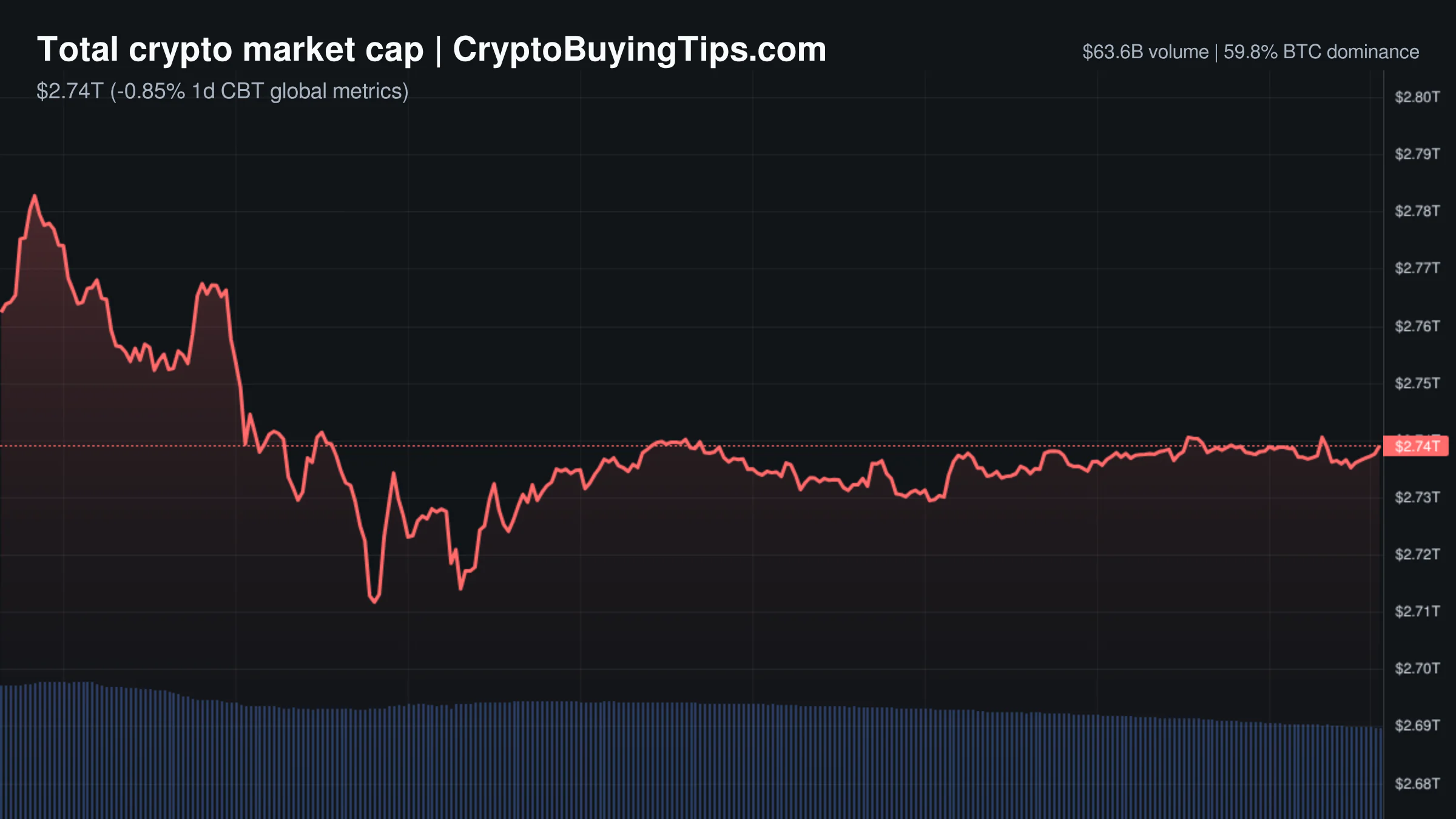
Crypto Market Overview | volume collapse amid macro pressure weighs on institutional flows | October 17, 2026
Market overview shows volume collapse amid macro pressure weighing on institutional flows; see how crypto is reacting to…

Speculators are ditching altcoins for tokenized Tesla stocks
Another day, another reason to question where all the money goes these days. Our signal scanner flagged a clear…
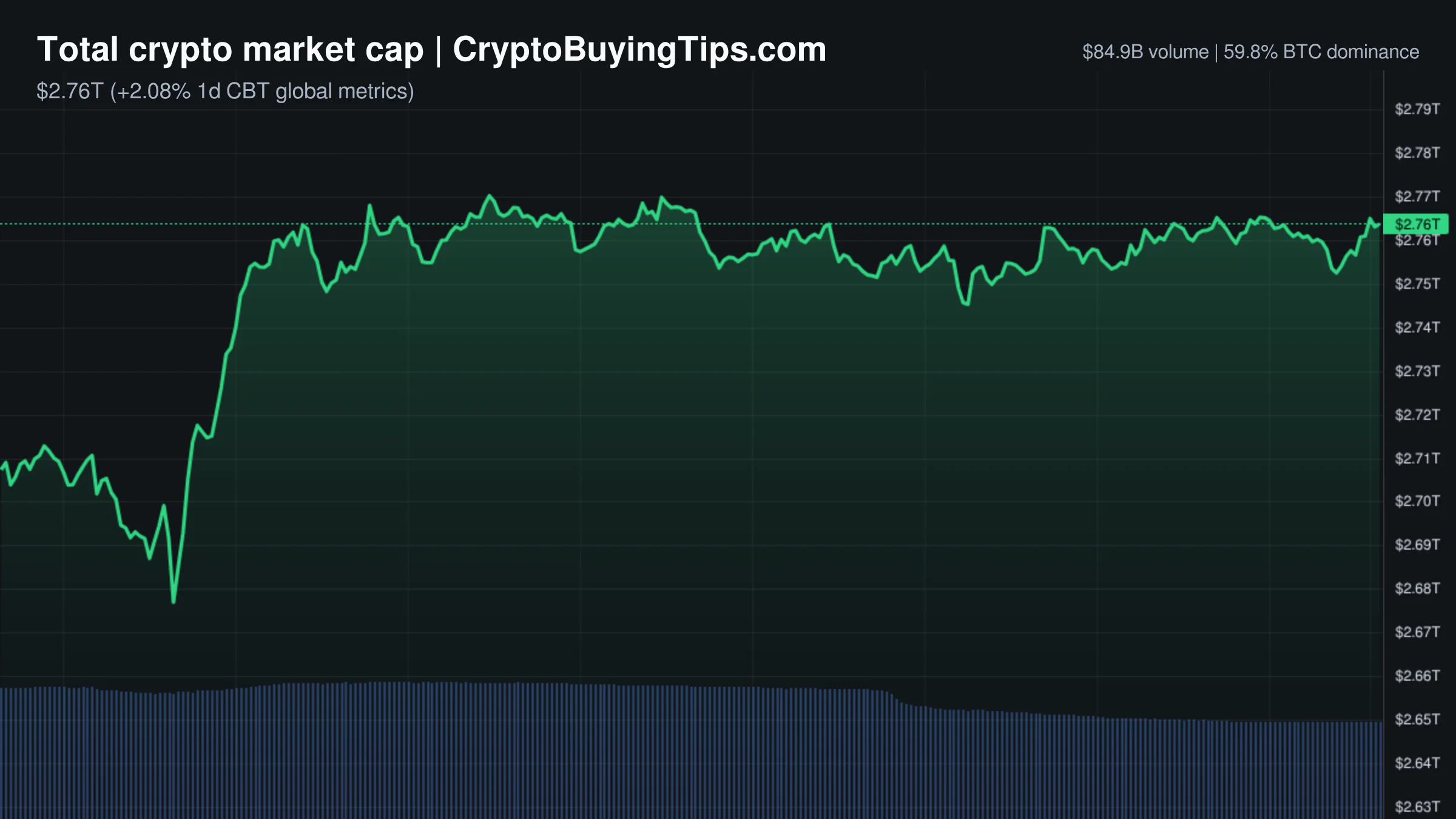
Crypto Market Overview | prices climb despite falling trading volume and stablecoin activity | October 16, 2026
Prices climb despite falling trading volume and stablecoin activity; see our market overview for context.

Wall Street is building its own rules while Congress argues
Wall Street seems to have decided waiting for Congress isn't worth the time. Major players like Mastercard are building…