
Drift Protocol $280M Hack: How North Korean Operatives Infiltrated DeFi
What happened at Drift Protocol
The attack didn't start with code. It started with a job application.
According to details emerging from the investigation, someone spent six months building a credible identity within the Drift ecosystem. They maintained a professional LinkedIn presence, contributed meaningfully to community discussions, and eventually earned access to sensitive infrastructure. Not admin keys, but enough trust that when they suggested a "routine upgrade" or requested access for "testing purposes," nobody questioned it.
By the time anyone realized something was wrong, $280 million had vanished across multiple chains. The attacker exploited privileged access to drain liquidity pools and manipulate oracle feeds. The technical execution was sophisticated, but the vulnerability was entirely human.
This mirrors tactics I've read about from the Lazarus Group and other North Korean state-sponsored actors. They've been refining social engineering attacks against crypto targets for years. The Bybit hack earlier in 2026 used similar infiltration techniques. What's different here is the duration and depth of the infiltration. Six months of building trust is expensive in terms of time, but the payoff was massive.
Why this hack changes everything
Most DeFi security conversations focus on smart contract audits, bug bounties, and formal verification. All of that matters. But the Drift exploit exposes a gap nobody wants to talk about: operational security for humans.
Every protocol has people with privileged access. Developers who can push updates. Operations staff who manage multisig wallets. Community managers who might not have direct financial access but can influence those who do. Each of these humans represents an attack surface.
The North Korean playbook is patient. They don't need to find a zero-day vulnerability in your code. They need to find a stressed developer who's been working 80-hour weeks, someone hungry for recognition, someone who responds positively when a "colleague" reaches out with genuine-seeming interest in their work. Then they wait.
What concerns me most is how few protocols have meaningful safeguards against this. I've seen governance structures where three people control a multisig, and two of them live in the same timezone. I've watched protocols hire anonymous contributors with no verification beyond a Discord handle. The Drift hack wasn't a technical failure. It was an operational security failure, and I'd bet most protocols reading this news are still vulnerable to the same approach.
What I'm watching next
The immediate question is whether Drift can recover the funds or identify the attackers. North Korean-linked hacks historically have low recovery rates. The funds typically move through mixers and eventually get converted to fiat through networks that are difficult to trace.
But the longer-term story is how DeFi protocols respond. I expect to see:
- Stricter vetting for anyone with privileged access, including real-world identity verification for core contributors
- Time delays and approval thresholds for sensitive operations, even among trusted team members
- Zero-trust architecture that assumes any individual could be compromised
If you're holding significant assets in DeFi protocols, this is a good moment to reassess your own operational security. Hardware wallets like Ledger keep your private keys offline, which matters. But if you're interacting with protocols that have poor operational security, your assets are still exposed to exactly this kind of attack.
The $280 million question isn't whether another protocol will face a similar infiltration. It's whether anyone will learn from Drift's mistake before the next attack succeeds. Based on what I've seen in this industry, I'm not holding my breath.
Some links in this article may be affiliate links. We may earn a commission at no extra cost to you — this never influences our analysis or coverage.

Sigrid Voss
Crypto analyst and writer covering market trends, trading strategies, and blockchain technology.
More Articles
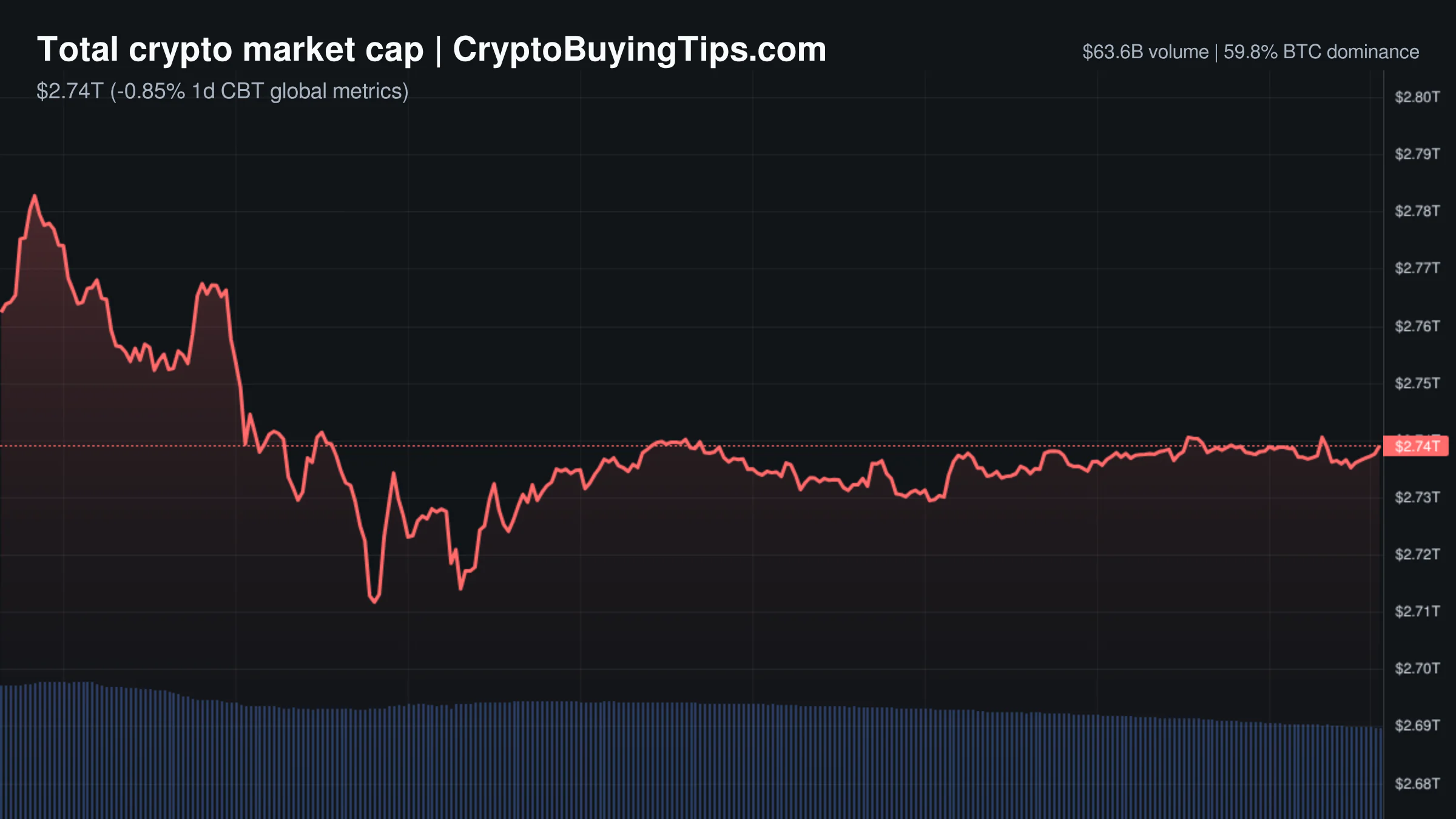
Crypto Market Overview | volume collapse amid macro pressure weighs on institutional flows | October 17, 2026
Market overview shows volume collapse amid macro pressure weighing on institutional flows; see how crypto is reacting to…

Speculators are ditching altcoins for tokenized Tesla stocks
Another day, another reason to question where all the money goes these days. Our signal scanner flagged a clear…
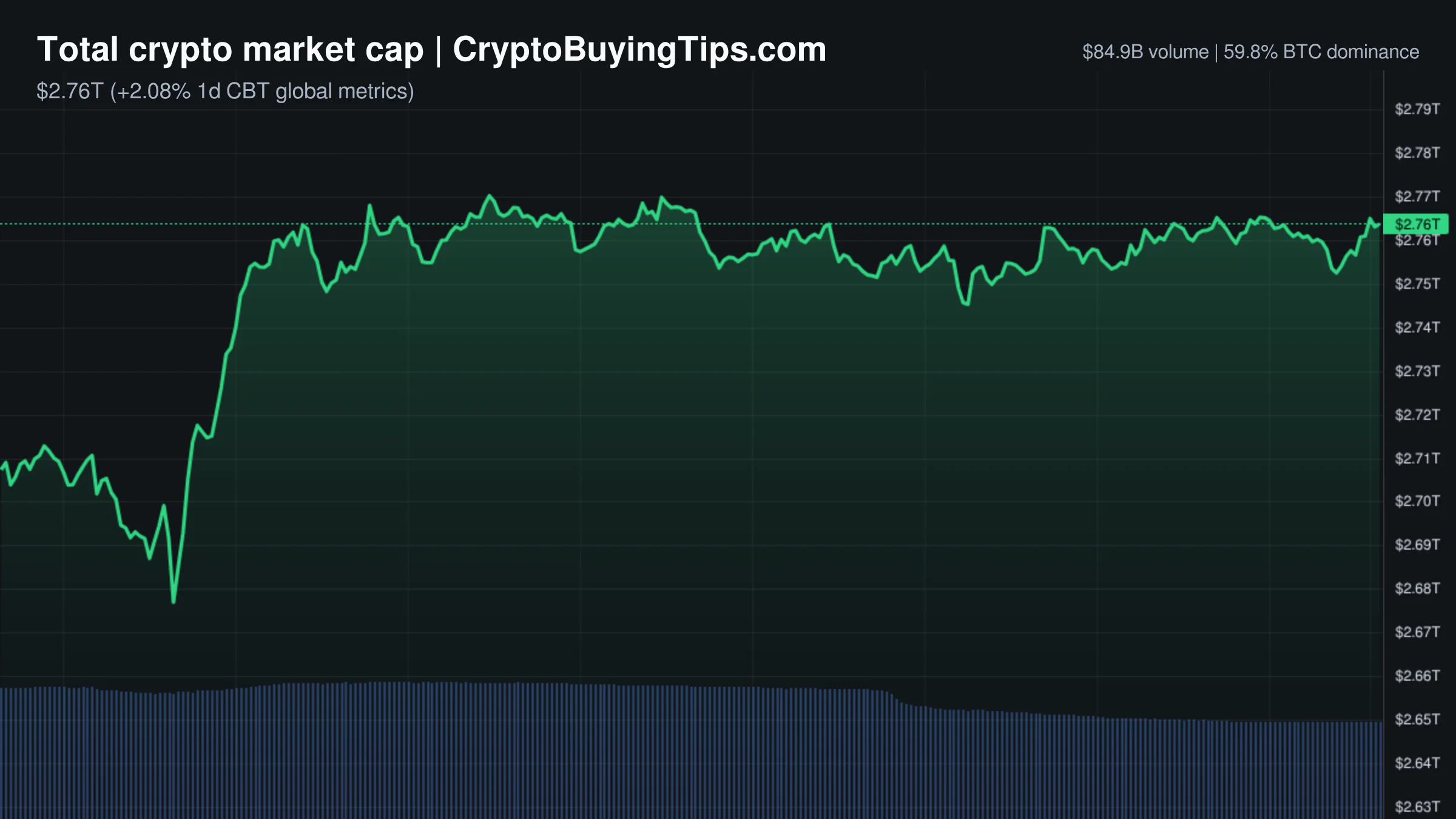
Crypto Market Overview | prices climb despite falling trading volume and stablecoin activity | October 16, 2026
Prices climb despite falling trading volume and stablecoin activity; see our market overview for context.

Wall Street is building its own rules while Congress argues
Wall Street seems to have decided waiting for Congress isn't worth the time. Major players like Mastercard are building…