

Open USD wants to share reserve revenue, but what is open usd stablecoin?
The fact that Open USD is proposing to share reserve revenues, a move directly targeting established players like Circle and Tether, raises immediate questions about what is open usd stablecoin. For years, the stablecoin business has been a simple, lucrative arrangement. Issuers take your dollars, buy government bonds, and keep the interest. The users get a digital token that stays at a dollar, and the issuers get a massive, risk-free profit machine. Open USD is attempting to break this model by giving that money back. We previously covered stablecoin reserves problem for more background.
How does what is open usd stablecoin work?
Open USD, or OUSD, is not just another token launched by a hopeful startup. It is the product of a coalition of over 140 companies, including heavyweights like Visa, Mastercard, Stripe, and BlackRock [techtimes.com]. The structural difference here is the "reserve revenue sharing" model. Instead of the issuer pocketing the yield from the reserves, OUSD distributes nearly all that income to the businesses that adopt and distribute the coin, minus a small management fee [theblock.co].
Our news scoring system rated this story 9/10 for liquidity impact. That high score is not an accident. When you get the world's largest payment networks and asset managers to agree on a single standard, you aren't just launching a product. You are building a vacuum designed to suck liquidity out of existing ecosystems.
Comparing stablecoin dominance and potential capital shifts
To understand the threat, we have to look at who currently holds the keys. Our global market structure feed puts total stablecoin dominance at 12.100934053517797. Within that, the market is a duopoly. Tether (USDT) dominates with 8.657242256525082, while Circle (USDC) sits at 3.4436917969927143.
Circle's entire business model is built on the yield from those reserves. It is the reason they are a publicly traded company. By offering a version of a dollar token where the partners get the yield, OUSD makes USDC look like a bad deal for any business moving significant volume. If Stripe or Visa can earn a percentage of the reserve yield by using OUSD instead of USDC, they have every incentive to switch. This is a direct attack on the profit margins of the incumbents.
The market reaction to reserve revenue sharing
The market didn't wait for the token to go live to react. Shares of Circle Internet Group fell more than 17% shortly after the announcement, which erased months of gains in a single session [techtimes.com]. This is a rare moment where the market admits that a "better" product can actually kill a competitor's revenue stream.
We must look beyond simple dominance figures and consider how this mechanism influences capital flow. Our global metrics show a total market cap of 2.31T, and the stablecoin sector is the glue holding it together. Our news scoring system rated this story 8/10 for macro impact because this isn't just about one token. It is about the transition of stablecoins from "crypto tools" to "institutional financial plumbing."
This shift happens at a time when regulatory pressure is mounting. We previously covered US treasury stablecoin risks, and the move toward a multi-issuer, coalition-based model like OUSD might be a strategic attempt to appease regulators. By spreading the reserve management across a consortium of regulated entities, they may avoid the "single point of failure" critique that has dogged Tether for a decade.
Our read on the risk
The biggest risk here is not technical, but political. A coalition of 140 companies, including BlackRock and Visa, is essentially a private central bank. While sharing revenue is a great incentive for adoption, it also centralizes control in the hands of the very institutions that crypto was designed to bypass.
If OUSD succeeds, the "stablecoin wars" stop being about who has the most trust and start being about who has the best corporate partnership agreement. We think the liquidity shift will be gradual but relentless. If the yield is shared, the money follows. Tether might still dominate emerging markets due to its lack of strict onboarding, but in the corridors of institutional finance, the "issuer keeps all" model is now an endangered species.
Some links in this article may be affiliate links. We may earn a commission at no extra cost to you — this never influences our analysis or coverage.

Sigrid Voss
Crypto analyst and writer covering market trends, trading strategies, and blockchain technology.
More Articles
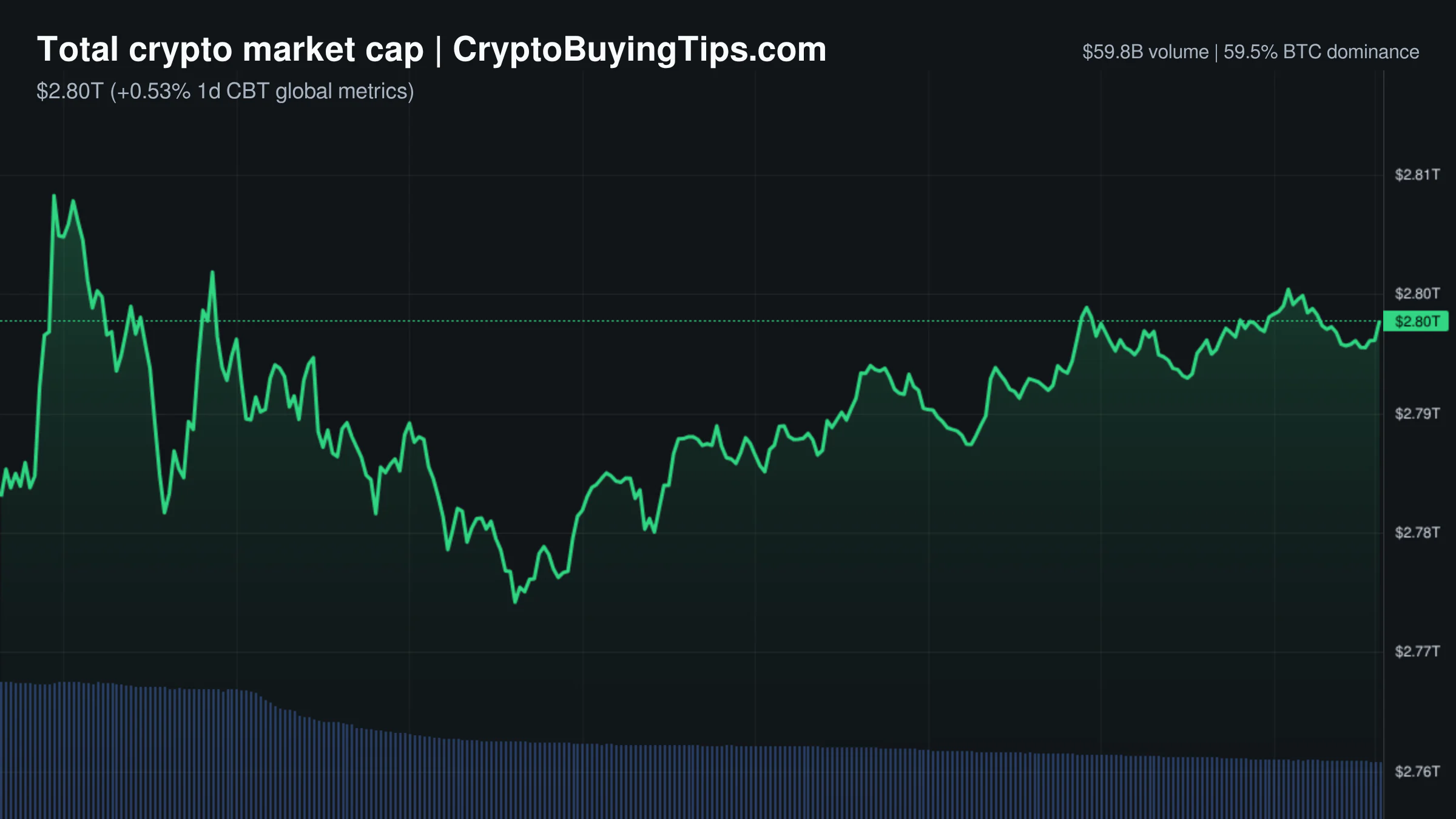
Crypto Market Overview | Liquidity vanishes as spot volume drops while derivatives remain bloated | October 10, 2026
Spot volume drops while derivatives remain bloated in today's crypto market overview; see what our data shows about…

HSBC is building AI payment rails while OpenAI war-games a catastrophe
The financial world seems to be installing high-end pipes while simultaneously rehearsing for an earthquake.…
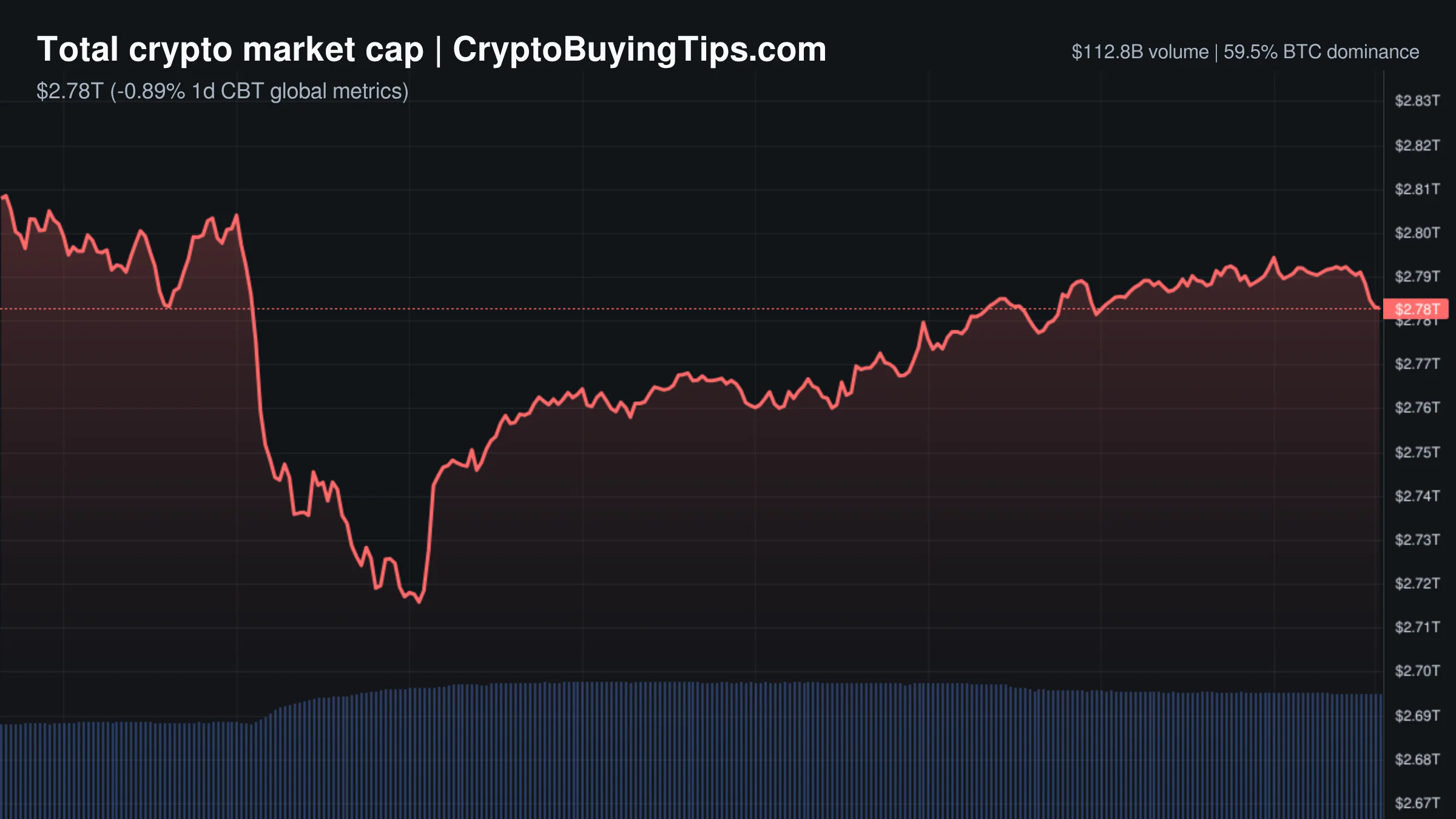
Crypto Market Overview | Volume surges amid regulatory friction and institutional accumulation | October 9, 2026
Crypto market overview shows volume surging amid price dips; see how institutional accumulation contrasts with…

Ethereum gas fees are at a standstill. Here is why that is actually a warning
The quiet cost of transactions on Ethereum might feel like a bargain for beginners. Our read is that persistently low…