

The US government is moving Bitcoin again and it's making me nervous

I've been tracking Bitcoin since 2019, and if there is one thing I've learned, it's that the US government is the most unpredictable whale in the room. When we see thousands of BTC suddenly shift from old seizure wallets to exchange addresses, the immediate question for most traders is how government bitcoin seizures affect price. It's not just about the amount of coins. It's about the psychological "overhang" that happens when the market realizes a massive amount of supply might hit the order books at any second.
What happened
The data is straightforward but stressful. We're seeing movements of Bitcoin linked to old government seizures, specifically those tied to past criminal cases like the steroid conspiracy busts. These aren't new coins being mined. They are coins the US government has held for years.
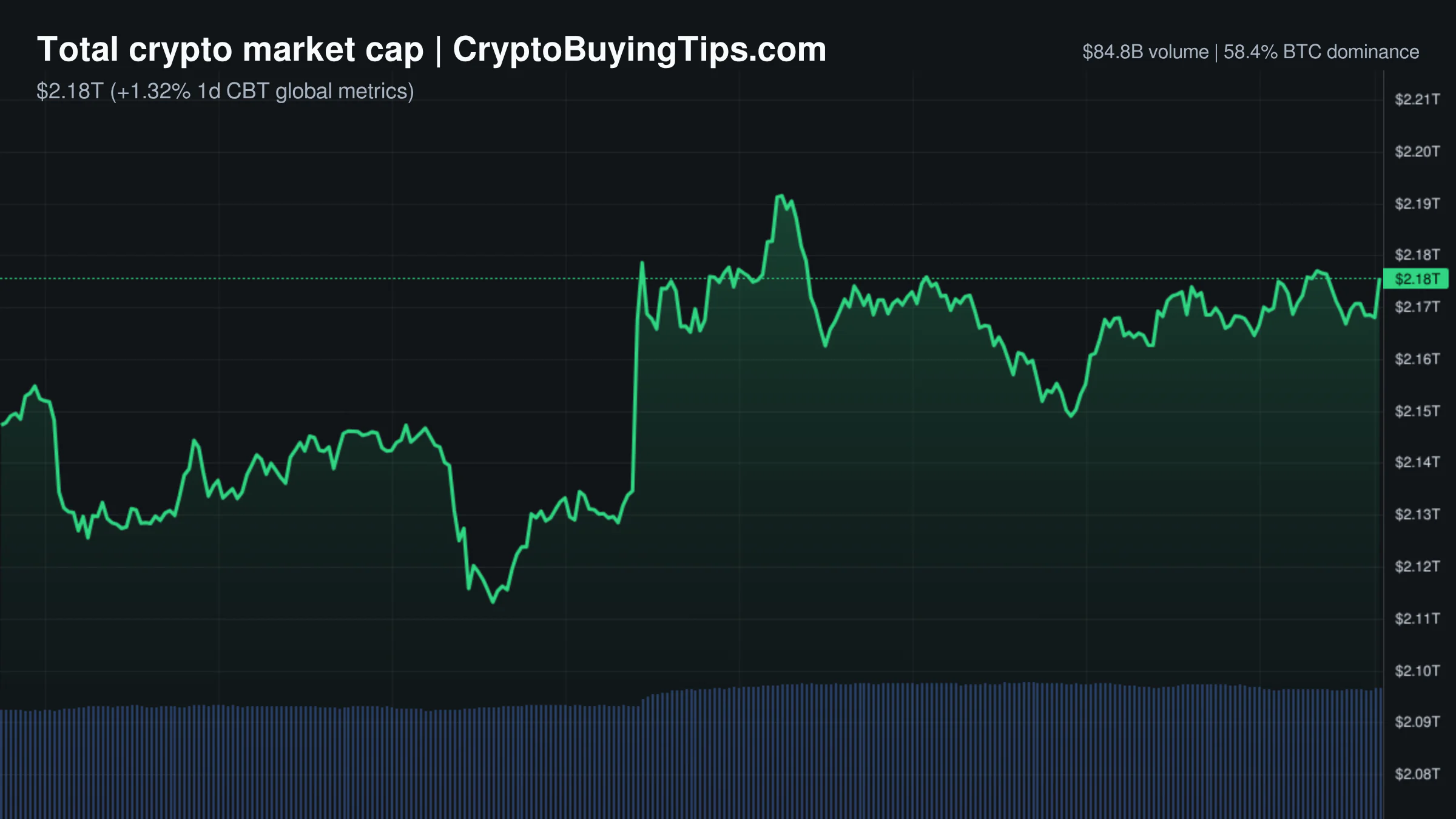
Right now, the market is in a weird spot. The Fear and Greed Index is sitting at 50, which is a dead-neutral zone. Total market cap is around $2.70T, and we are firmly in a Bitcoin season with an Altcoin Season Index of 24. When the market is this neutral, it doesn't take much to trigger a panic. If the government moves 200 million in BTC to an exchange, the "sell" narrative spreads faster than the actual trade.
Why it matters
I think people underestimate the difference between institutional buying and government selling. We've seen the ETF inflows, but those are long-term plays. Government seizures are different. The government doesn't "HODL" for the sake of the technology. They liquidate to recover funds for victims or to fund law enforcement.
This creates a price floor issue. When a huge block of coins is known to be held by a state actor, the market prices in that risk. If the government sells in chunks, it creates a ceiling that's hard to break. I've seen this happen before. The moment a government wallet wakes up, the momentum often stalls because traders are afraid to buy into a potential dump.
What I'm watching next
I'm keeping a close eye on the exchange inflows. If these coins stay in custody, it's just noise. But if they hit the deposit addresses of major exchanges, we could see a quick dip. I usually use Bybit to track the perpetual futures markets during these events because the funding rates tell me if the "smart money" is hedging for a crash or ignoring the news.
I'm also watching the NASDAQ, which is currently at $611.07. Crypto is still heavily correlated with tech risk. If we get a government sell-off at the same time the NASDAQ dips, we might see a sharper correction than the neutral Fear and Greed index suggests.
But here is the flip side. Sometimes the government sells and the market just absorbs it. If the demand from ETFs is strong enough, the US government might actually be providing the liquidity that big institutions want to buy. I'm not sure which way this will go, but I'm definitely not buying the "everything is fine" narrative until those wallets go quiet again.
Related Tickers
Sigrid Voss
Crypto analyst and writer covering market trends, trading strategies, and blockchain technology.
More Articles
Bitcoin ETFs just bled $1.7B in a month. Are the institutions actually giving up?
Bitcoin ETFs experienced a significant outflow of $1.7 billion this month, signaling a shift away from the initial "wall…
Bybit is letting you buy tokenized IPOs. Here is the catch
Bybit’s IPO Express offers retail investors access to tokenized IPOs like SpaceX, but it’s crucial to understand you’re…

The $763 billion leverage trap masking a fake recovery
A $763 billion surge in leveraged trading is masking a potentially dangerous market recovery. The massive disparity…
Crypto Market Overview | Leveraged recovery amid extreme fear | June 8, 2026
Crypto Market Overview Leveraged recovery amid extreme fear June 8, 2026 Market overview The crypto market is…