
A $36 million laptop breach just wiped out Humanity Protocol. Here is the lesson
The crypto market is currently in a state of absolute panic. With the Fear and Greed Index sitting at a brutal 14, investors are already on edge, and then this happens. A $36 million exploit has effectively gutted Humanity Protocol, leaving many people wondering what happened to humanity protocol token and if there is any path to recovery. This wasn't a complex smart contract bug or a sophisticated AI attack. It was a laptop. We previously covered DeFi wallet risks for more background.
What happened to humanity protocol token
The details are as embarrassing as they are devastating. A private key, stored on a laptop, was compromised. Once the attacker gained access to that machine, they had the keys to the kingdom. They didn't need to find a loophole in the code because they had the actual administrative credentials.
In my experience, this is the most avoidable kind of disaster. We spend so much time arguing about L1 scalability or tokenomics, but we forget that the most common vulnerability in this space is simply human error. The attacker used those keys to drain $36 million from the protocol. For a project that aims to build a global identity layer, losing the core funds because of a laptop breach is a catastrophic blow to their credibility.
Why it matters: the governance trap
This event highlights a recurring nightmare in DeFi: the admin key problem. Many protocols claim to be decentralized, but in reality, a small group of founders holds a set of keys that can move funds or change parameters. If those keys are stored on a standard computer connected to the internet, the entire project is just one phishing email away from zero.
We have seen this pattern before. I recall how we previously covered the Drift Protocol hack, where social engineering played a massive role in a $280 million loss. The common thread here is that the tech is often secure, but the people managing it are the weak link. When a project has a single point of failure, it isn't a decentralized protocol; it is just a digital bank with a very insecure vault.
This is particularly damaging for Humanity Protocol because they are selling trust. You cannot convince the world to trust you with their identity if you cannot even secure your own laptop.
The lesson on private key management
If you are holding assets in a software wallet or keeping keys on your hard drive, you are essentially leaving your front door unlocked in a bad neighborhood. I've watched too many people lose everything because they thought it wouldn't happen to them.
The fix is simple, though it requires a bit of effort. You move your private keys off the internet. Period. Using a hardware wallet means your keys never touch a device that can be hacked remotely. If you are still using a browser extension as your primary storage, you are gambling. I personally use a Ledger Nano Gen5 because it keeps the signing process offline, which is the only way to actually sleep at night in this market.
What I'm watching next
I am looking for two things from the Humanity Protocol team. First, a transparent post-mortem that doesn't blame a sophisticated attacker when it was clearly a security lapse. Second, a concrete plan for how they intend to reimburse users, if they even can.
In a market where BTC dominance is hovering around 58% and altcoins are struggling to find a floor, these kinds of exploits act as a weight on the entire ecosystem. They give institutional investors a reason to stay away and give retail traders a reason to panic sell.
I'll be keeping an eye on the on-chain movements of the stolen funds. Usually, these hackers try to cycle the money through mixers or bridges. If we see the funds moving toward major exchanges, there might be a slim chance of recovery, but don't hold your breath. In the world of DeFi, once the money is gone, it is usually gone for good.
Related Tickers
Some links in this article may be affiliate links. We may earn a commission at no extra cost to you — this never influences our analysis or coverage.

Sigrid Voss
Crypto analyst and writer covering market trends, trading strategies, and blockchain technology.
More Articles

Derivatives volume is 8x higher than spot. Here is why that is a warning
The market's current price action seems to be driven by bets rather than cash; with derivatives volume eight times…
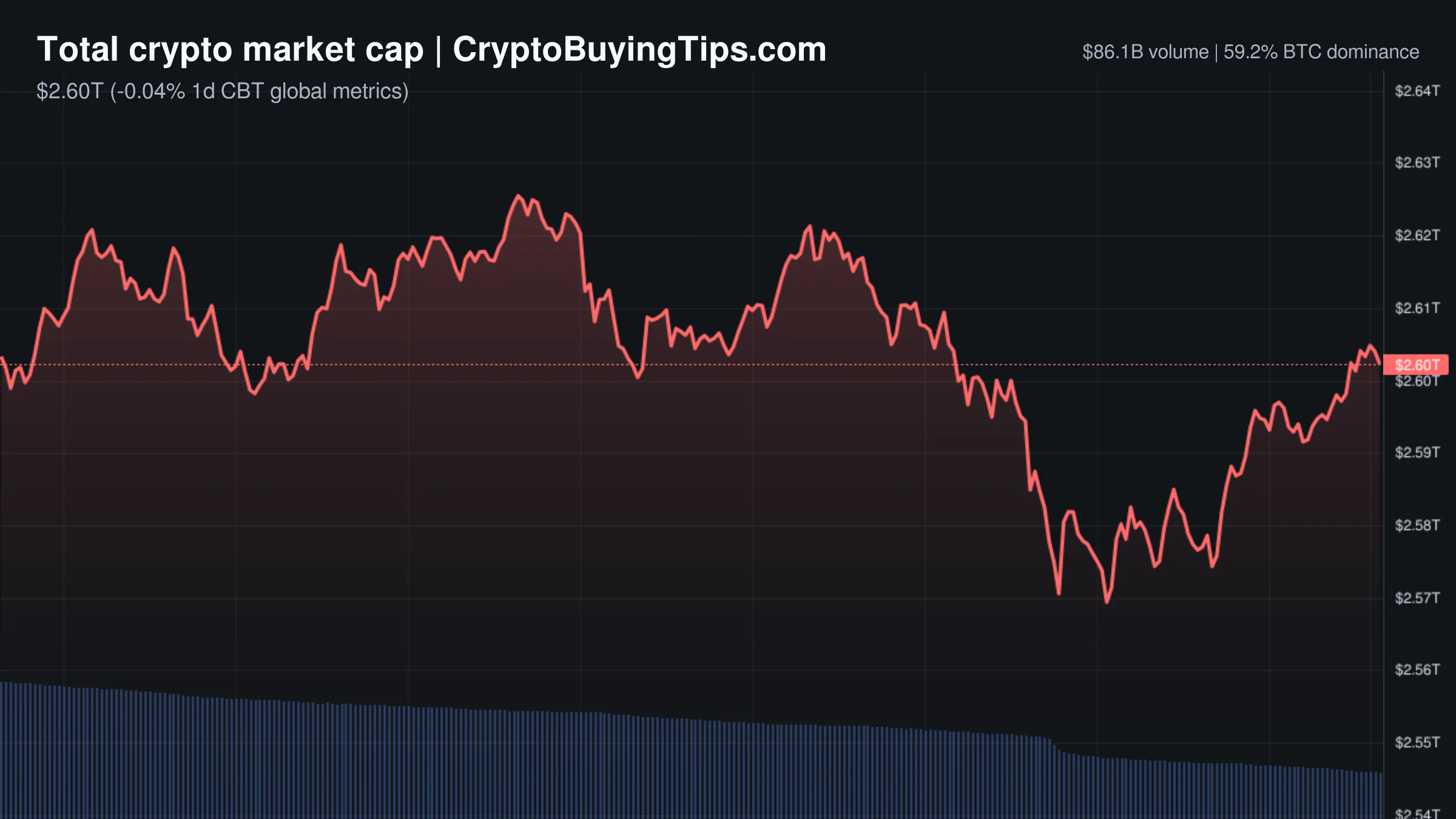
Crypto Market Overview | volume collapses as greed persists amid regulatory friction | August 23, 2026
Volume collapses as greed persists amid regulatory friction; see our market overview on crypto's current state and key…

Brussels is coming for DeFi vaults and the market is ignoring the risk
Brussels seems to think "decentralized" is just an aesthetic choice for now. Our read suggests MiCA regulation isn't…
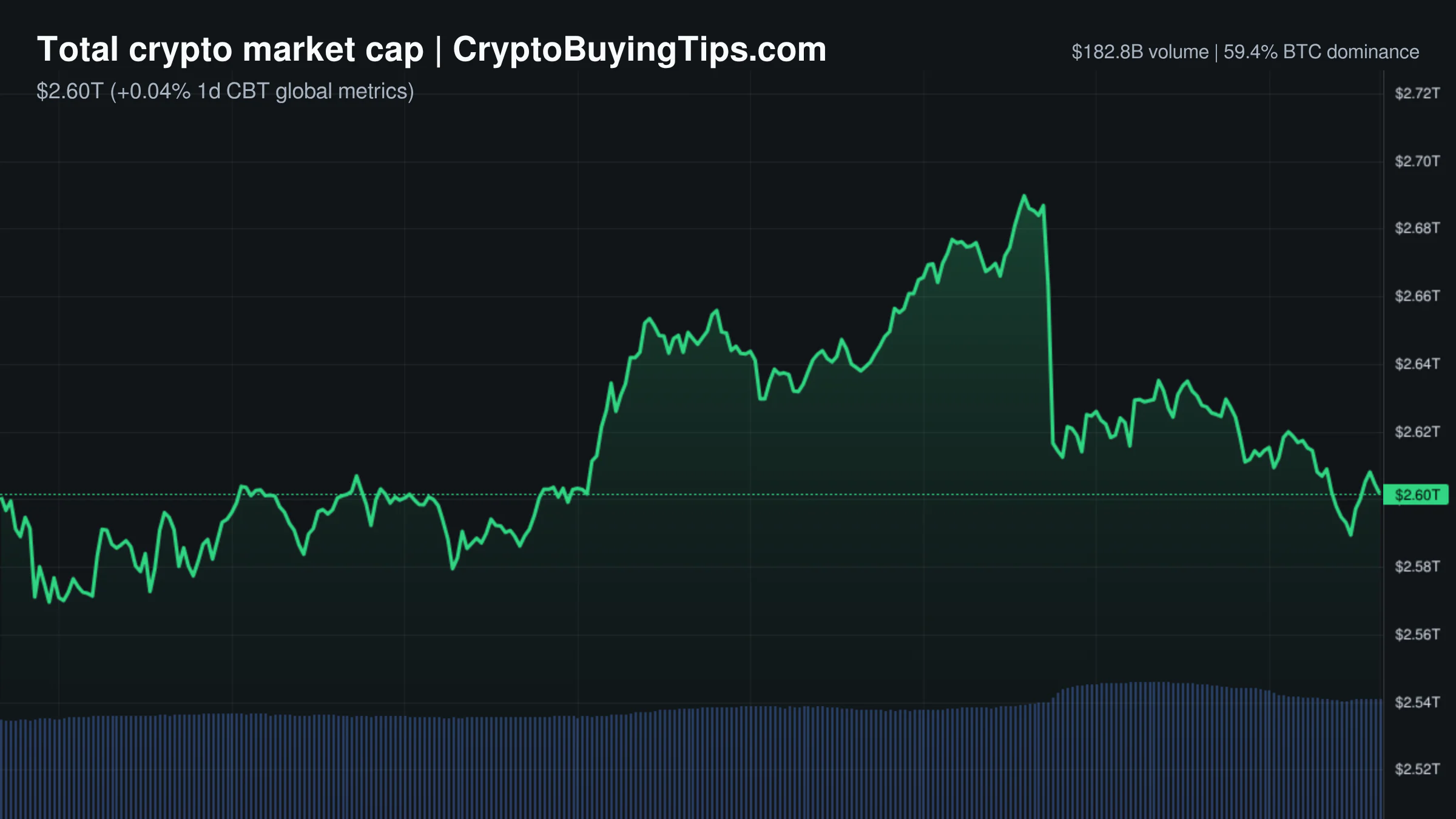
Crypto Market Overview | Spot accumulation rises while derivatives volume cools | August 22, 2026
Spot accumulation rises while derivatives volume cools in this market overview of crypto activity and macro drivers for…