
Your blockchain is a public bank account. Here is why that is a problem
I remember when I first started using Ethereum in 2019, I thought the transparency of the blockchain was a feature. The idea that anyone could verify a transaction without trusting a middleman felt like a victory for honesty in finance. But as I've spent more time in this space, I've realized that this transparency is a double edged sword. If you've ever shared your wallet address with a friend or used it to receive a payment, you've essentially handed over the keys to your financial history. Most beginners don't realize the risks of public blockchain addresses until it's too late and their entire portfolio is visible to anyone with an internet connection. We previously covered AI Smart Contract Attacks for more background.
The short answer
A public blockchain address is like a username for your money. While it doesn't give someone the power to steal your funds (only your private keys do that), it does make every single transaction you've ever made public. Anyone who knows your address can see how much you own, who you've paid, and where your money came from.
How it actually works
Think of a public blockchain like a giant, global spreadsheet that never forgets. When you send ETH or any other token on a public network, that transaction is recorded forever.
Most people think of their wallet as a digital purse, but it's actually more like a window. If I have your public address, I can go to a block explorer and see your balance in real time. I can see that you bought a specific NFT three years ago. I can see that you sent 1.5 ETH to an exchange last Tuesday.
This is what Vitalik Buterin has been warning about. We are essentially operating on a "Twitter for your bank account" model. On Twitter, you might post your thoughts for the world to see. On a public blockchain, you are posting your net worth and your spending habits for the world to see.
Where people get tripped up
The biggest misconception I see is the belief that pseudonymity equals privacy. People think that because their name isn't written next to their address, they are anonymous. That's simply not true.
Once a public address is linked to a real world identity, the mask falls off. This happens in a few common ways:
- Centralized exchanges: The moment you send funds from a KYC'd account on an exchange to your private wallet, that wallet is now linked to your identity in the eyes of the exchange and potentially the government.
- Social media: Posting your address to receive a tip or a donation creates a permanent link between your online persona and your wealth.
- Dusting attacks: Scammers send tiny amounts of crypto to thousands of random addresses. If you interact with that dust, you might inadvertently reveal more about your identity or fall for a phishing scam, as detailed by Crypture.
I've seen reports of people getting targeted by physical extortion because they bragged about their holdings online. A bad actor used a block explorer to confirm exactly how much was in their wallet before confronting them in person. It sounds like a movie plot, but it's a real risk when your bank account is a public ledger Crypture.
Understanding the risks of public blockchain addresses for the future
This lack of confidentiality is exactly why we're seeing a shift in how the industry thinks about privacy. If businesses can't hide their payroll or their supplier payments, they won't use public blockchains. This is why we see the rise of bank crypto networks where institutions build their own permissioned versions of the tech. They want the efficiency of the blockchain without the exposure.
On the flip side, Ethereum is trying to fix this. There is a move toward new privacy features and a roadmap that includes confidential voting and private transfers CCN. I'm cautiously optimistic about this. We need a middle ground where the network is still decentralized but my balance isn't a public spectacle.
Putting it into practice
If you're worried about your privacy, you don't have to jump into obscure privacy coins immediately. There are a few simple habits I use to keep my footprint small:
- Rotate your addresses: Don't use the same address for everything. Use a different address for different purposes.
- Avoid linking identifiers: Never post your main vault address on social media. If you need to receive funds, use a separate receiving address and move the funds to your cold storage later.
- Be careful with dust: If you see a random, tiny amount of a token you've never heard of appear in your wallet, ignore it. Don't try to swap it or move it, as that can sometimes trigger a smart contract that reveals your identity.
- Use a VPN: While a blockchain explorer shows the transaction, your IP address can sometimes be leaked through the node you're connecting to. Using a tool like NordVPN can help mask your physical location and add a layer of security against phishing domains.
The goal isn't to be a ghost, but to stop being an open book. In a world where data is the new oil, your financial history is the most valuable data you have. Don't give it away for free.
Some links in this article may be affiliate links. We may earn a commission at no extra cost to you — this never influences our analysis or coverage.

Sigrid Voss
Crypto analyst and writer covering market trends, trading strategies, and blockchain technology.
More Articles
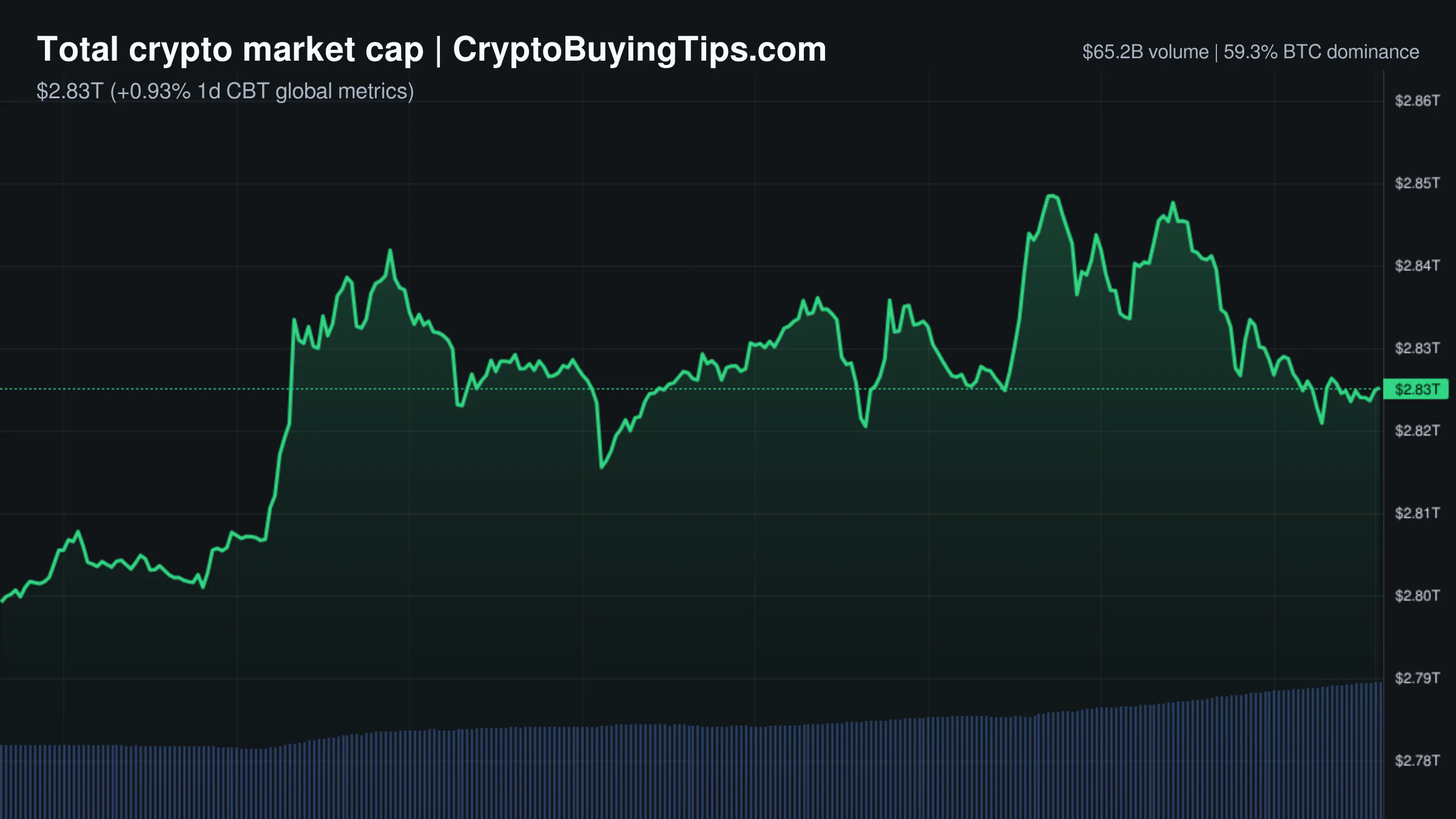
Crypto Market Overview | Derivatives volume surges amid banking integration and regulatory tension | October 12, 2026
Derivatives volume surges amid banking integration and regulatory tension, showing high activity but muted price action…

BTC and ETH ETFs are bleeding while XRP is the only institutional winner
The narrative suggests endless accumulation, yet ETF outflows signal that big players have paused their spending spree.…
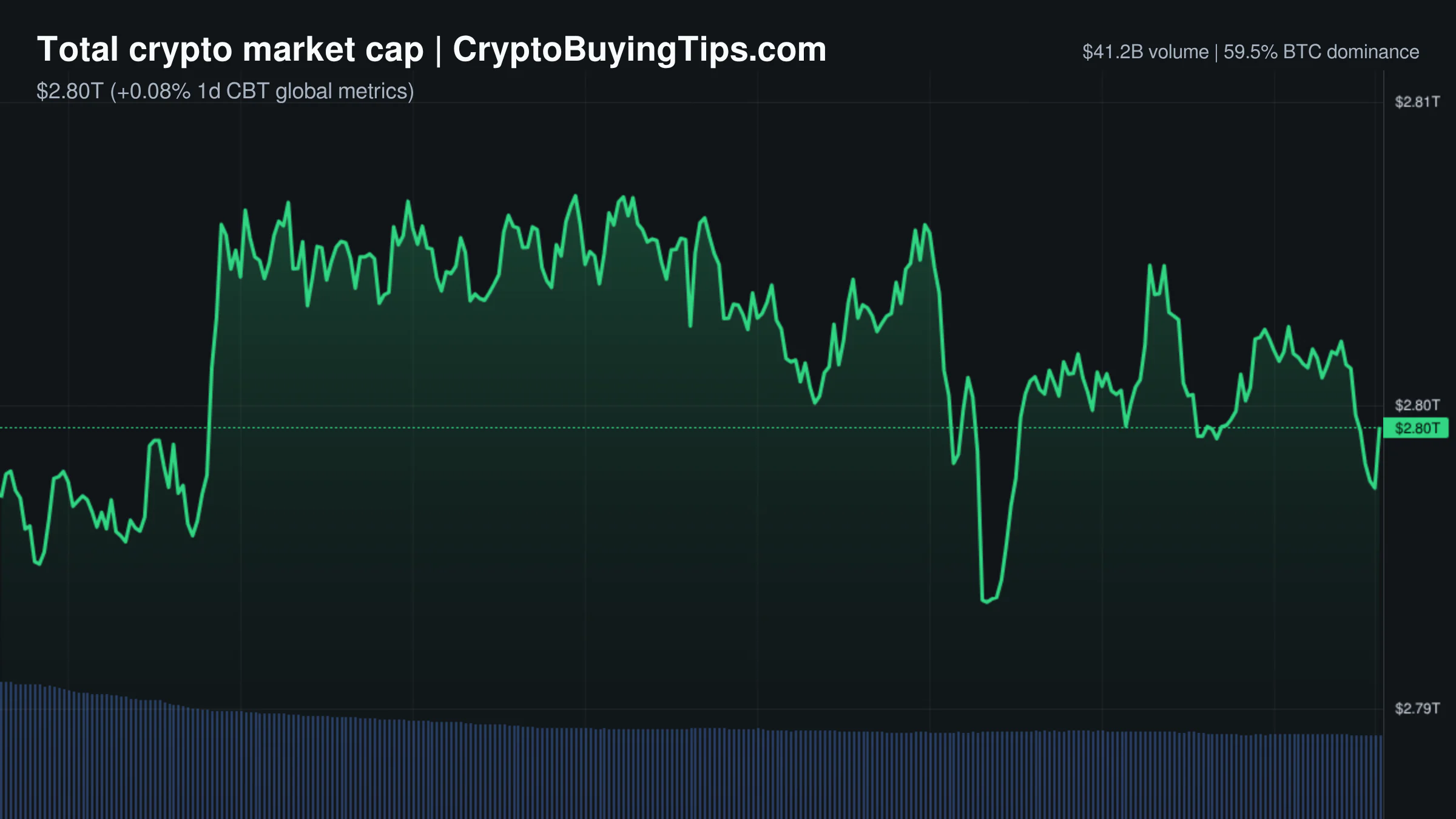
Crypto Market Overview | volume collapse amid regulatory focus on event contracts | October 11, 2026
Crypto market overview shows volume collapse amid regulatory focus on event contracts, with spot and derivatives…

StarkNet is ripping but the altcoin season narrative is a lie
StarkNet's recent surge has the usual crowd convinced an altcoin season has arrived; our data suggests this rally is…