
AI hackers are keeping Wall Street off the blockchain
The narrative for the last two years has been all about the "institutional wave." We were told that trillions of dollars from TradFi were just one regulatory tweak away from flooding into on-chain assets. But if you look at the actual security data, it is clear why that wave is stalling. When you are a retail trader, a $5 million bridge hack is a tragedy; when you are a global custodian managing billions, it is a systemic failure. I think the real answer to why are banks afraid of blockchain isn't just about the SEC or taxes, it is about the fact that AI is now being used to find bugs in smart contracts faster than humans can patch them. We previously covered Iranian crypto seizure for more background.
The security wall hitting institutional adoption
Wall Street loves efficiency, but they hate unpredictable loss. The recent report from CertiK showing the worst DeFi month in four years is a loud alarm bell. When you add the $5.4 million Gravity Bridge drain to the mix, you see a pattern. We are moving into an era where AI doesn't just help developers write code, it helps attackers scan for vulnerabilities across thousands of protocols in seconds.
I've been tracking this since 2019, and the nature of the hacks has shifted. It used to be simple phishing or a lucky guess on a seed phrase. Now, we are seeing sophisticated, automated attacks that target the very logic of the smart contracts. For a bank, the idea of "code is law" is terrifying if the law can be rewritten by a bot in the middle of the night.
Why the fear is justified
If you are a risk officer at a major bank, your biggest nightmare is a "black swan" event that wipes out a position instantly. In traditional finance, you have insurance, legal recourse, and a central authority to reverse a fraudulent wire. On the blockchain, once the funds leave the bridge, they are gone.
We previously covered how DeFi wallet risks are often tied to compromised admin keys. This is exactly what keeps institutional CIOs awake. If a single set of keys can be leaked or stolen by a state actor, the entire "trustless" nature of the system becomes a liability.
The current market data reflects this hesitation. We have a Fear & Greed Index of 35, and while Bitcoin dominance is high at 59.3%, the actual on-chain activity is ghost-town quiet. Ethereum gas fees are sitting at a tiny 0.11 Gwei. This tells me that while the "big money" is buying BTC via ETFs, they are still terrified of actually interacting with the DeFi ecosystem.
The battle between AI and security
There is a bit of a paradox here. AI is the tool causing the chaos, but it is also the only way to fight it. I saw that Binance blocked $10.5 billion in fraud using AI, which is impressive. But that just proves how massive the attack surface has become.
For the average person trying to navigate this, the only real defense is moving away from hot wallets. I personally don't trust any exchange with my long-term holdings. I prefer using the Ledger Stax because it has a specific Transaction Check feature that helps detect DeFi scams before you sign them. When you are dealing with AI-driven exploits, having a physical device that lets you actually read what you are signing on a large E Ink screen is a massive advantage.
Where we go from here
I don't think banks will ever fully embrace "wild west" DeFi. They will likely build their own "walled gardens" using private blockchains or highly permissioned layers. They want the speed of the blockchain without the risk of a random bot in another country draining their liquidity pool.
The tragedy is that this slows down the actual goal of decentralization. If the big players only use a sterilized version of the tech, we lose the resilience that makes crypto interesting. But until we solve the problem of AI-driven smart contract exploits, the "institutional wave" will remain a trickle of ETF buys rather than a full migration of assets.
I'm watching the next few months of bridge security closely. If we see another wave of multi-million dollar drains, expect the "institutional adoption" narrative to take a backseat to a much more boring, but necessary, conversation about basic security infrastructure.
Trade the news at our editorial-picked exchange: MEXC
Some links in this article may be affiliate links. We may earn a commission at no extra cost to you — this never influences our analysis or coverage.

Sigrid Voss
Crypto analyst and writer covering market trends, trading strategies, and blockchain technology.
More Articles
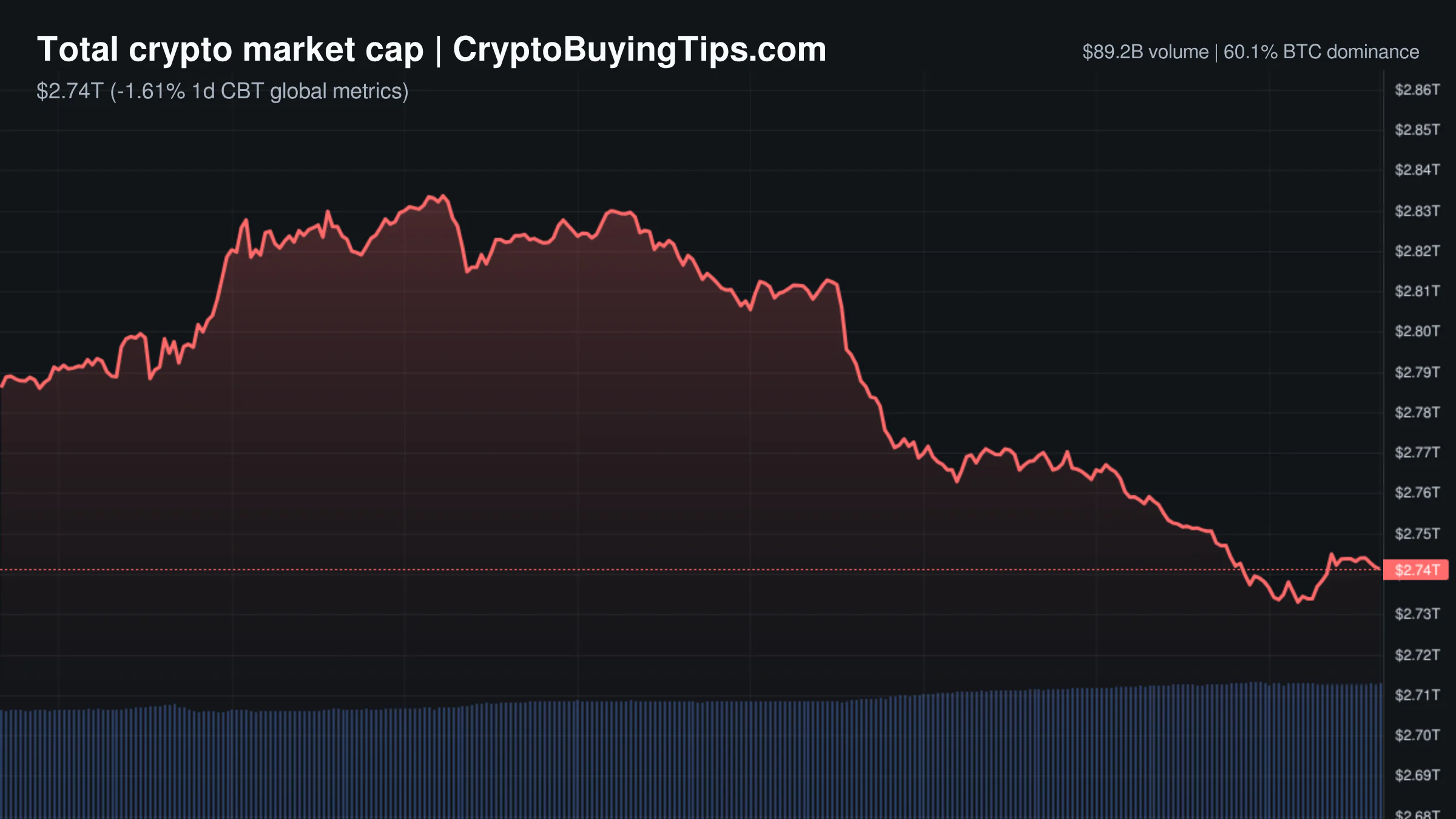
Crypto Market Overview | Leveraged bets surge amid regulatory clarity and institutional inflows | October 22, 2026
The market shows divergence between spot interest and leveraged bets amid regulatory clarity; see our overview here.

Volume is surging but prices are flat. Here is where the trigger is
Volume spikes while prices remain stubbornly flat; this divergence suggests an underlying battle between leveraged…
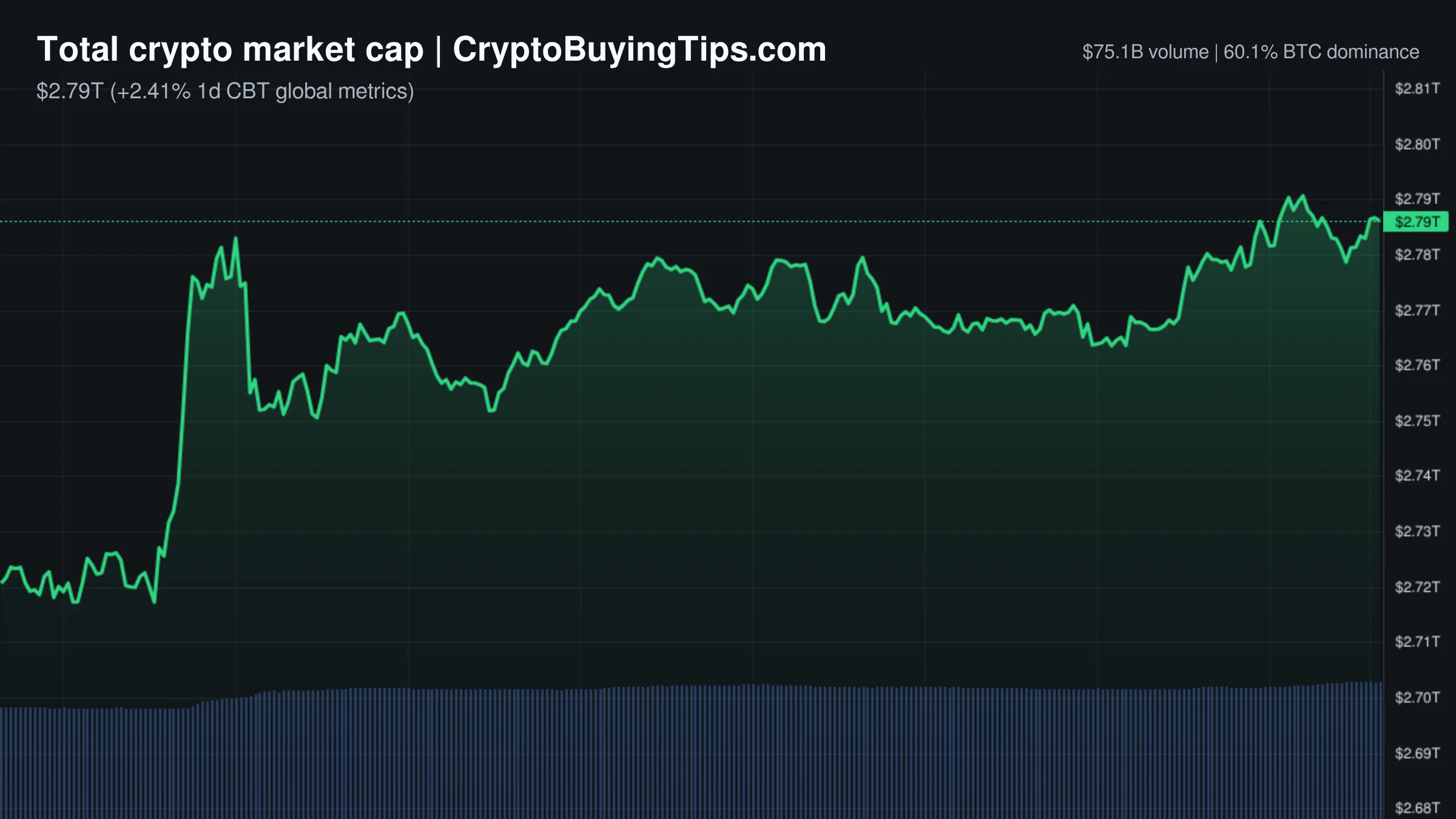
Crypto Market Overview | Leveraged speculation drives gains amid European regulatory uncertainty | October 21, 2026
Leveraged speculation drives crypto gains amid European regulatory uncertainty; see our market overview on BTC and ETH…

Compound is up 21% and DeFi volume is surging. The rotation is here
The market is behaving with all the excitement of an accountant's quarterly report, but DeFi primitives are showing…