
The US just grabbed $1 billion in Iranian crypto. Here is why your wallet isn't safe
The US Treasury just seized $1 billion in cryptocurrency from Iranian entities, and the move is sending a chill through the community. For years, we've been told that "not your keys, not your coins" is the ultimate shield against the state. But when a superpower decides to play forensic detective, the line between a private wallet and a public target gets blurry. It raises a question that most of us prefer to ignore: can government seize crypto from private wallet addresses if they have the legal and technical will to do it? We previously covered Hardware Wallet Security for more background.
What actually happened
The US government didn't just "hack" a wallet in the cinematic sense. They used a combination of blockchain forensics and legal pressure to freeze and seize assets linked to Iranian state-sponsored activity. By tracking the flow of funds across the ledger, they identified the clusters and worked with centralized intermediaries to lock down the exit ramps.
While the $1 billion figure is staggering, the real story is the precision. They didn't just stumble onto this. They tracked the movement of BTC and USDT with surgical accuracy. This is a reminder that while the blockchain is pseudonymous, it is not anonymous. Every transaction you've ever made is written in stone, and the tools used to map these movements are getting better every day.
Can government seize crypto from private wallet addresses?
The short answer is: they can't "reach into" your hardware wallet and pull out the coins without your private keys. That's the basic math of cryptography. But that doesn't mean your funds are safe.
In my experience, people confuse "technical impossibility" with "practical safety." The government doesn't need to crack the encryption of your wallet if they can compel you to hand over the keys. If you're under a legal order and you refuse, you're looking at contempt of court or jail time. In those cases, the "private" part of your wallet becomes irrelevant.
Then there is the issue of "tainted" coins. Even if the state doesn't have your keys, they can blacklist your address. If you're holding USDT, remember that Tether is a centralized company. They can freeze your funds with a single command from their admin panel. If the US government tells Tether that an address is linked to a sanctioned entity, those coins become digital paperweights. You still "own" them, but you can't move them, sell them, or swap them.
The illusion of total privacy
I've spent years following the markets, and I've noticed a dangerous trend where beginners think a seed phrase is a magic invisibility cloak. It isn't. We've already seen how sophisticated state actors operate. We previously covered DeFi wallet risks and how compromised keys can lead to total loss. The Iranian seizure is just the state-level version of that risk.
If you are using a hot wallet on your phone or a browser extension, you're essentially leaving your door unlocked. If your device is compromised by spyware, your private keys are gone. That's why I always tell people to get their assets off the internet. I prefer the Ledger Nano Gen5 for most people because it's an affordable $99 entry point that keeps keys offline and uses a secure element chip to prevent the kind of digital skimming that leads to these seizures.
What I'm watching now
The market is currently in a state of "Fear" with a Fear & Greed Index of 34. While the total market cap sits at $2.76T, this news adds a layer of regulatory anxiety that usually precedes a volatility spike.
I'm keeping a close eye on stablecoin dominance. If people start dumping USDT for more decentralized options or moving back into BTC, it shows that the "centralization risk" is finally hitting the retail consciousness. I'm also watching if other G7 nations follow the US lead in aggressive seizures. If this becomes a standard playbook for geopolitical warfare, the "safe haven" narrative of crypto takes a serious hit.
The bottom line is that your security is only as strong as your weakest link. If you're keeping everything on an exchange or in a soft wallet, you aren't practicing self-custody. You're just hoping the government doesn't notice you.
Trade the news at our editorial-picked exchange: Bybit
Some links in this article may be affiliate links. We may earn a commission at no extra cost to you — this never influences our analysis or coverage.

Sigrid Voss
Crypto analyst and writer covering market trends, trading strategies, and blockchain technology.
More Articles

Fidelity outflows and Ethereum OG dumps suggest a hidden exit
Another day of market data suggesting everything is fine until you look at the outflows and OG dumping. Institutional…
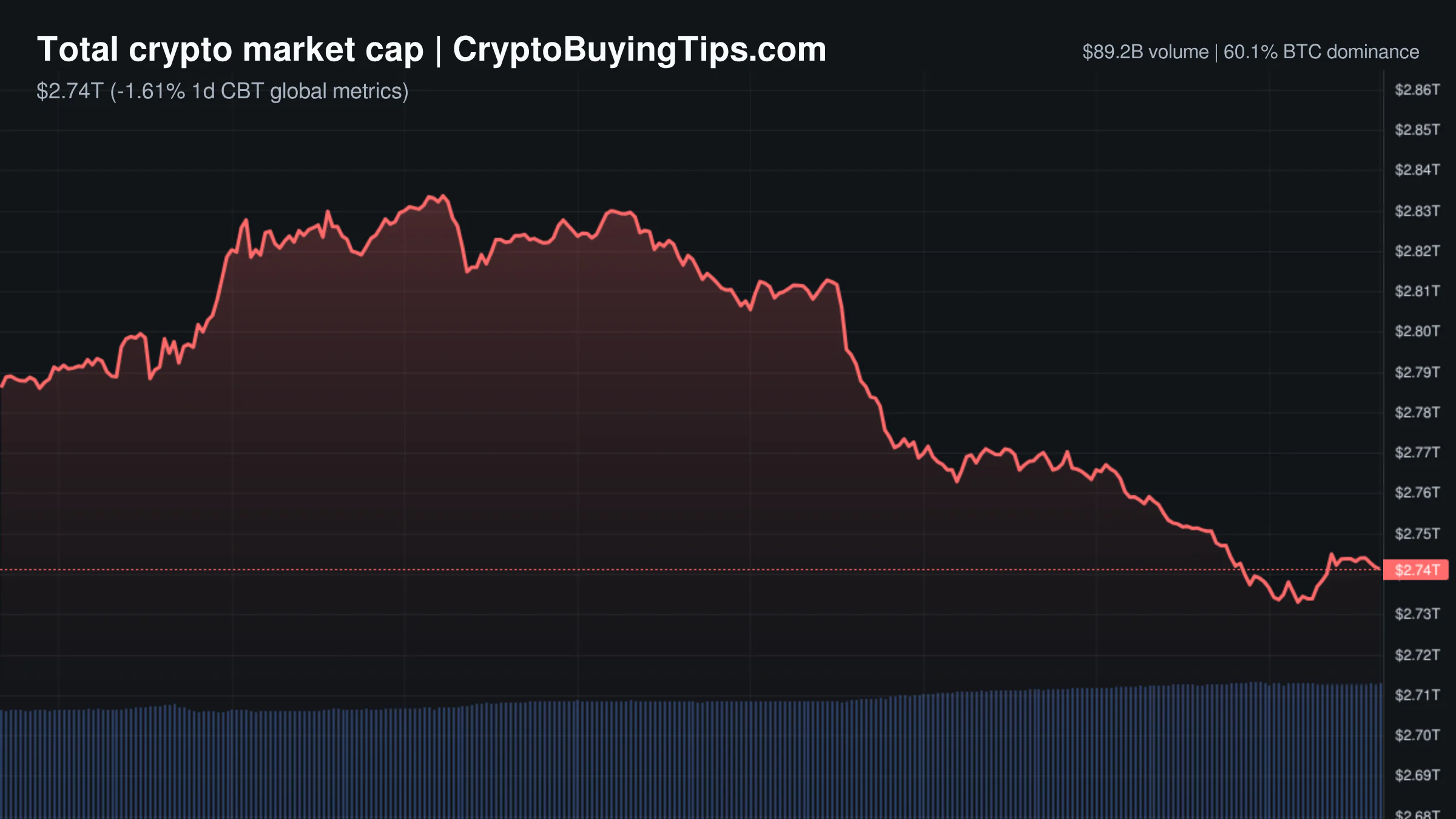
Crypto Market Overview | Leveraged bets surge amid regulatory clarity and institutional inflows | October 22, 2026
The market shows divergence between spot interest and leveraged bets amid regulatory clarity; see our overview here.
Volume is surging but prices are flat. Here is where the trigger is
Volume spikes while prices remain stubbornly flat; this divergence suggests an underlying battle between leveraged…
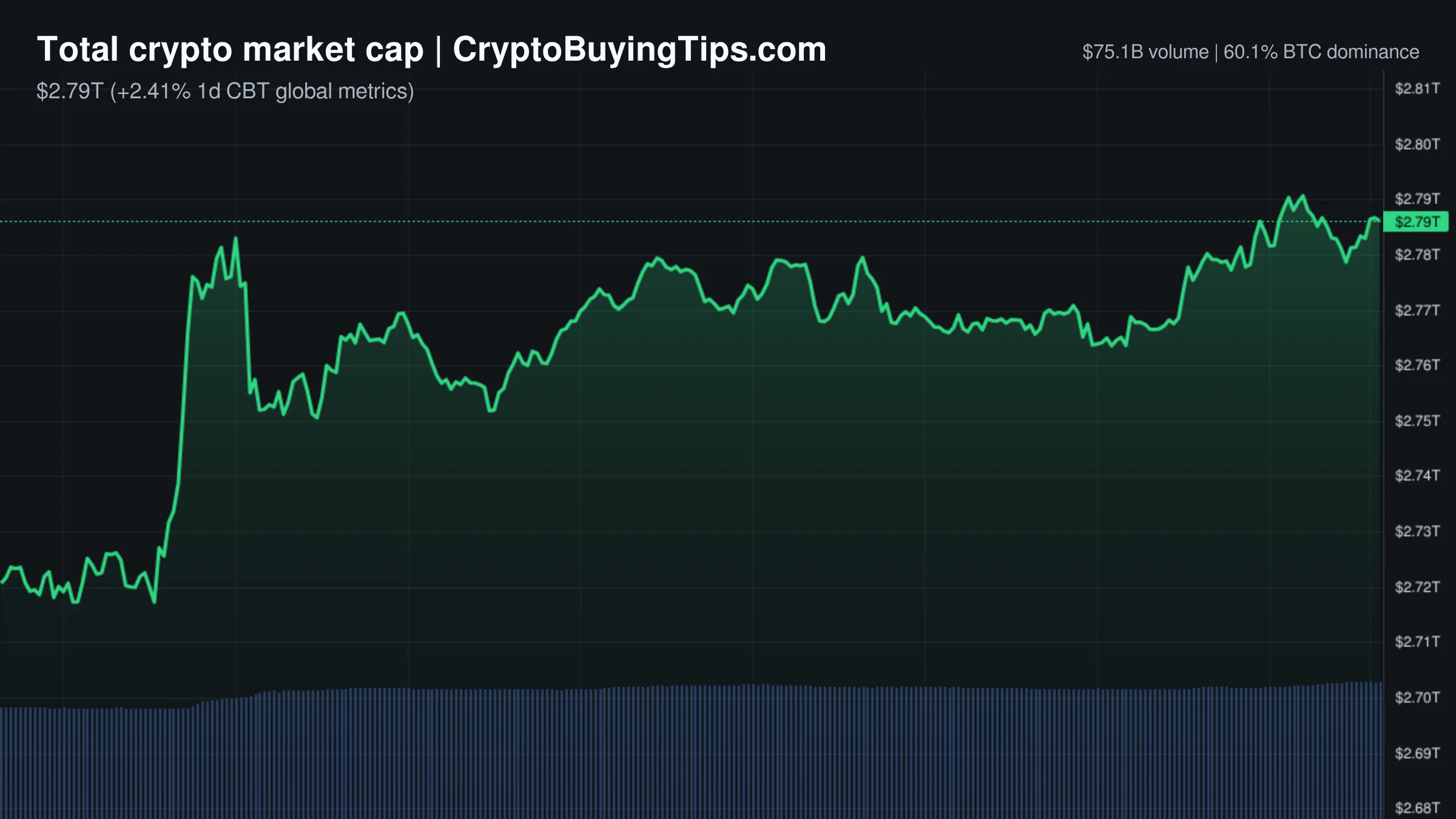
Crypto Market Overview | Leveraged speculation drives gains amid European regulatory uncertainty | October 21, 2026
Leveraged speculation drives crypto gains amid European regulatory uncertainty; see our market overview on BTC and ETH…