

The FBI says $11.4 billion was lost to crypto fraud. Here is how to actually protect your money
The FBI just dropped a number that should make anyone uncomfortable: $11.4 billion lost to crypto fraud. It is a staggering amount of money, and the most heartbreaking part is that a huge chunk of these victims are seniors who were simply trying to find a better return on their savings. When I see these numbers, I don't see a "market correction" or a "learning curve." I see people getting robbed because they didn't know how to tell if a crypto project is a scam before they sent their life savings into a black hole.
The short answer
If a project promises "guaranteed" returns, asks for your seed phrase, or pressures you to "act now" to avoid missing out, it is a scam. Period. In this space, the only way to truly secure your money is to move it off exchanges and into a hardware wallet you control.
How the scams actually work
Most people think of scams as complex hacks, but they are usually just social engineering. I've seen it a thousand times since I started following this market in 2019.
First, there is the "pig butchering" scheme. This is where a stranger contacts you on WhatsApp or LinkedIn, builds a relationship over weeks, and then "casually" mentions a high-yield investment platform. They let you withdraw a small amount of money early on to build trust. Once you're hooked and deposit a large sum, the platform vanishes.
Then you have the technical traps. I wrote about this recently when discussing approval phishing. This is where you sign a transaction that looks innocent but actually gives a malicious contract permission to drain every token in your wallet. You didn't "lose" your keys, but you gave the scammer a key to your front door.
How to tell if a crypto project is a scam
I've spent years reading whitepapers and digging through Discord channels. There are a few red flags that almost always signal a rug pull or a fraud.
If the "team" is anonymous but promising a revolutionary new financial system, be careful. Anonymity is fine for developers in some DeFi projects, but if they are actively soliciting funds from the public without a track record, it is a gamble.
Check the tokenomics. If 90% of the supply is held by two wallets, those people can crash the price the second they decide to exit. I always look for a vesting schedule. If the founders can dump their tokens on day one, I'm not touching the project.
And for the love of everything, ignore the "guaranteed 1% daily return" promises. No legitimate business on earth can guarantee that. That is just a Ponzi scheme with a blockchain skin.
Putting it into practice
You cannot trust a centralized exchange to be your only security layer. As we saw with the Bithumb error, exchanges are not banks. If the exchange goes down or gets hacked, your funds are at risk.
The first thing you should do is get a hardware wallet. I always recommend a Ledger because it keeps your private keys offline. If your keys are on your laptop or phone, they are vulnerable. If they are on a piece of hardware in your drawer, they are significantly safer.
Second, never share your seed phrase. Not with "support," not with a "manager," and not even with a friend. Anyone who asks for it is trying to steal from you.
Finally, if you are trading on an exchange, use one with a decent reputation and strong security features. I use Bybit for my active trades because their interface is intuitive and the security layers are solid for a centralized platform. Just remember to move your long-term holdings to your hardware wallet.
Some links in this article may be affiliate links. We may earn a commission at no extra cost to you — this never influences our analysis or coverage.

Sigrid Voss
Crypto analyst and writer covering market trends, trading strategies, and blockchain technology.
More Articles
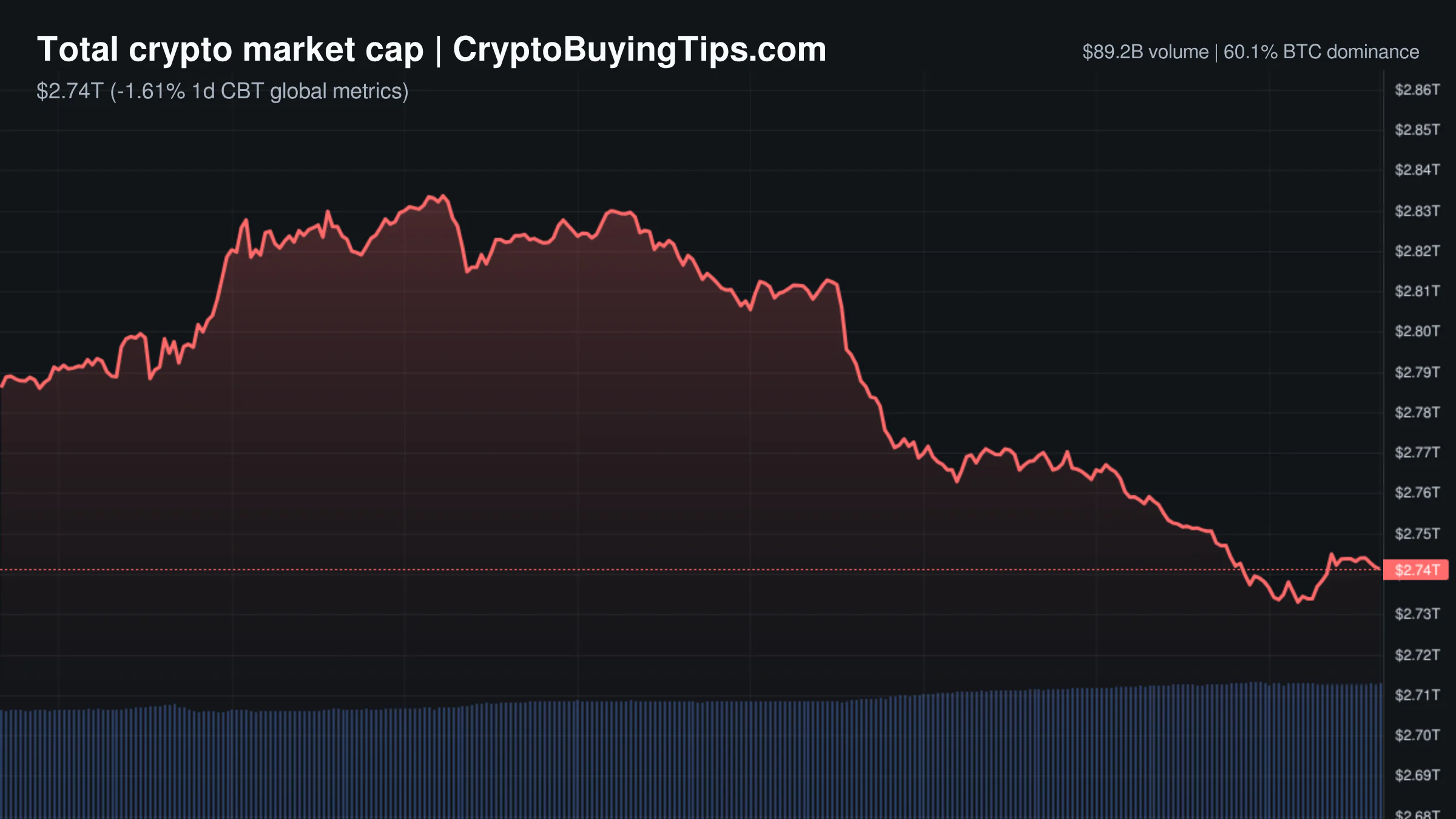
Crypto Market Overview | Leveraged bets surge amid regulatory clarity and institutional inflows | October 22, 2026
The market shows divergence between spot interest and leveraged bets amid regulatory clarity; see our overview here.
Volume is surging but prices are flat. Here is where the trigger is
Volume spikes while prices remain stubbornly flat; this divergence suggests an underlying battle between leveraged…
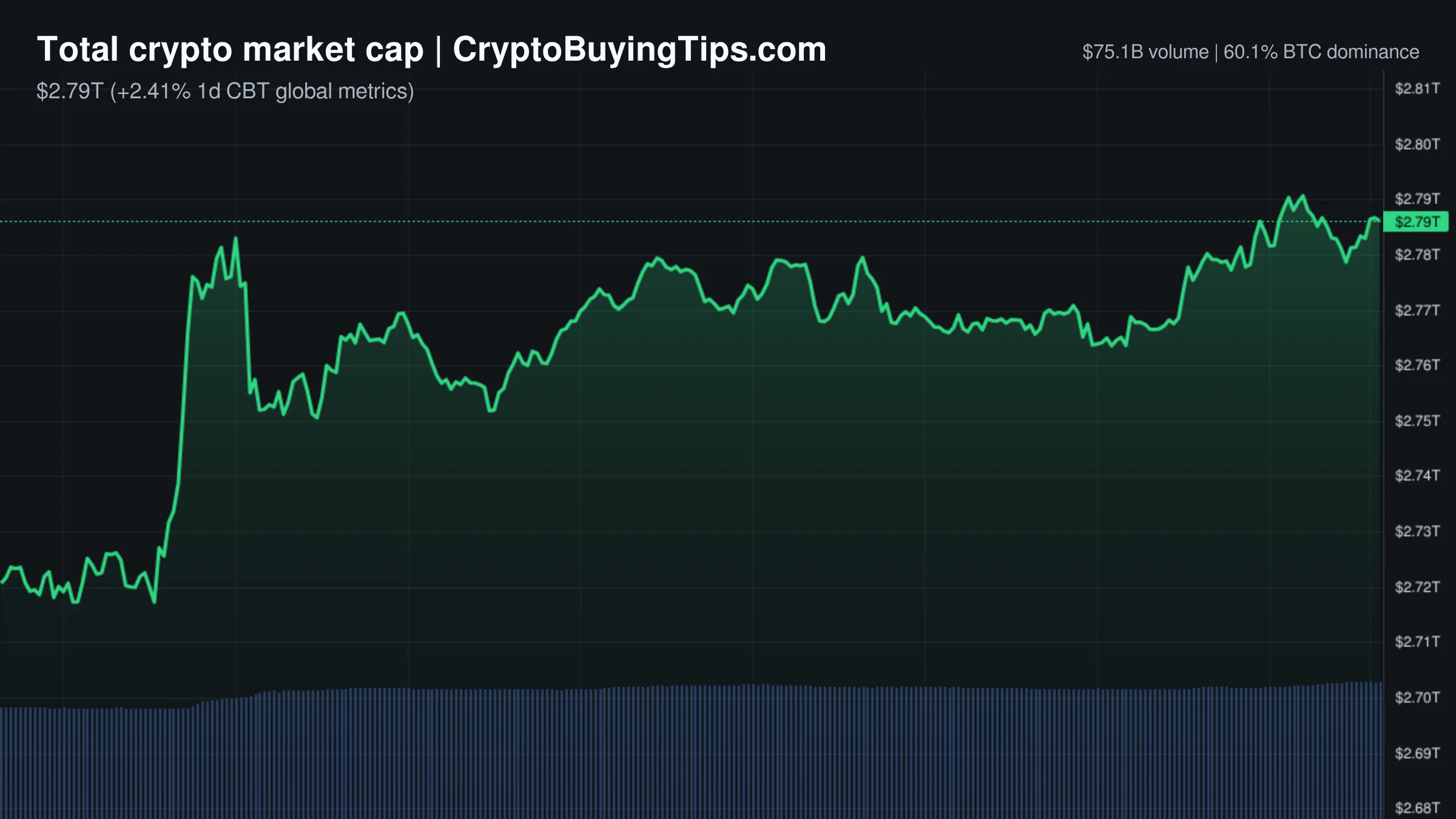
Crypto Market Overview | Leveraged speculation drives gains amid European regulatory uncertainty | October 21, 2026
Leveraged speculation drives crypto gains amid European regulatory uncertainty; see our market overview on BTC and ETH…

Compound is up 21% and DeFi volume is surging. The rotation is here
The market is behaving with all the excitement of an accountant's quarterly report, but DeFi primitives are showing…