
The banks are finally building their own crypto network. Here is why that is a problem
The US mega-banks are no longer just watching from the sidelines. JPMorgan, Bank of America, and Citi are now moving toward a shared network for tokenized deposits. For a lot of people, this sounds like the "institutional adoption" we have been promised for years. But if you actually look at the mechanics, you have to ask: what are tokenized bank deposits and why do they exist? In my experience, when banks "innovate," they aren't trying to liberate your money. They are trying to find a way to keep the benefits of blockchain while stripping away the parts they hate, like decentralization and censorship resistance. We previously covered HSBC Stablecoin Launch for more background.
The case for the bank-led network
From a purely technical standpoint, the banks have a point. Moving money between traditional banks is slow, clunky, and relies on ancient systems. By putting deposits on a ledger, they can settle payments almost instantly. They don't have to wait for days for a wire transfer to clear because the token represents the money itself.
For the average corporate client, this is a win. It is faster and cheaper. If you are a giant company moving billions, a "bank-coin" that is fully regulated and backed by a systemic institution is a lot more attractive than a volatile asset or a stablecoin issued by a company that might face a regulatory crackdown tomorrow.
The strongest counterargument
The bulls will tell you that this is the bridge we need. They argue that these networks will eventually interconnect with public blockchains, bringing trillions of dollars of "real" money into the ecosystem. They see it as the final step in making crypto a legitimate part of the global financial system.
There is some truth to that. If the biggest banks in the world start using tokenized assets, the plumbing of global finance changes. It could make the entire system more efficient. But efficiency is not the same as freedom.
Where I land
Here is the problem. We are seeing a divide between "on-chain cash" and "crypto." Stablecoins like USDC and USDT were designed to give people an alternative to the traditional banking system. They allow you to move value without asking a bank for permission.
Tokenized deposits are the opposite. They are just bank accounts with a fancy new wrapper. The bank still owns the ledger. They can freeze your funds, censor your transactions, and decide who gets to participate. We previously covered stablecoin adoption by banks in Europe, and the pattern is the same. The banks want the speed of the blockchain but they want to keep the control of the boardroom.
I think this creates a massive risk of "deposit drain." If banks can offer a tokenized version of your money that is faster and easier to use, they have less incentive to let you move that money into decentralized protocols. They are essentially building a walled garden. They want you to experience the "magic" of blockchain without ever actually leaving their ecosystem.
The reality of the current market
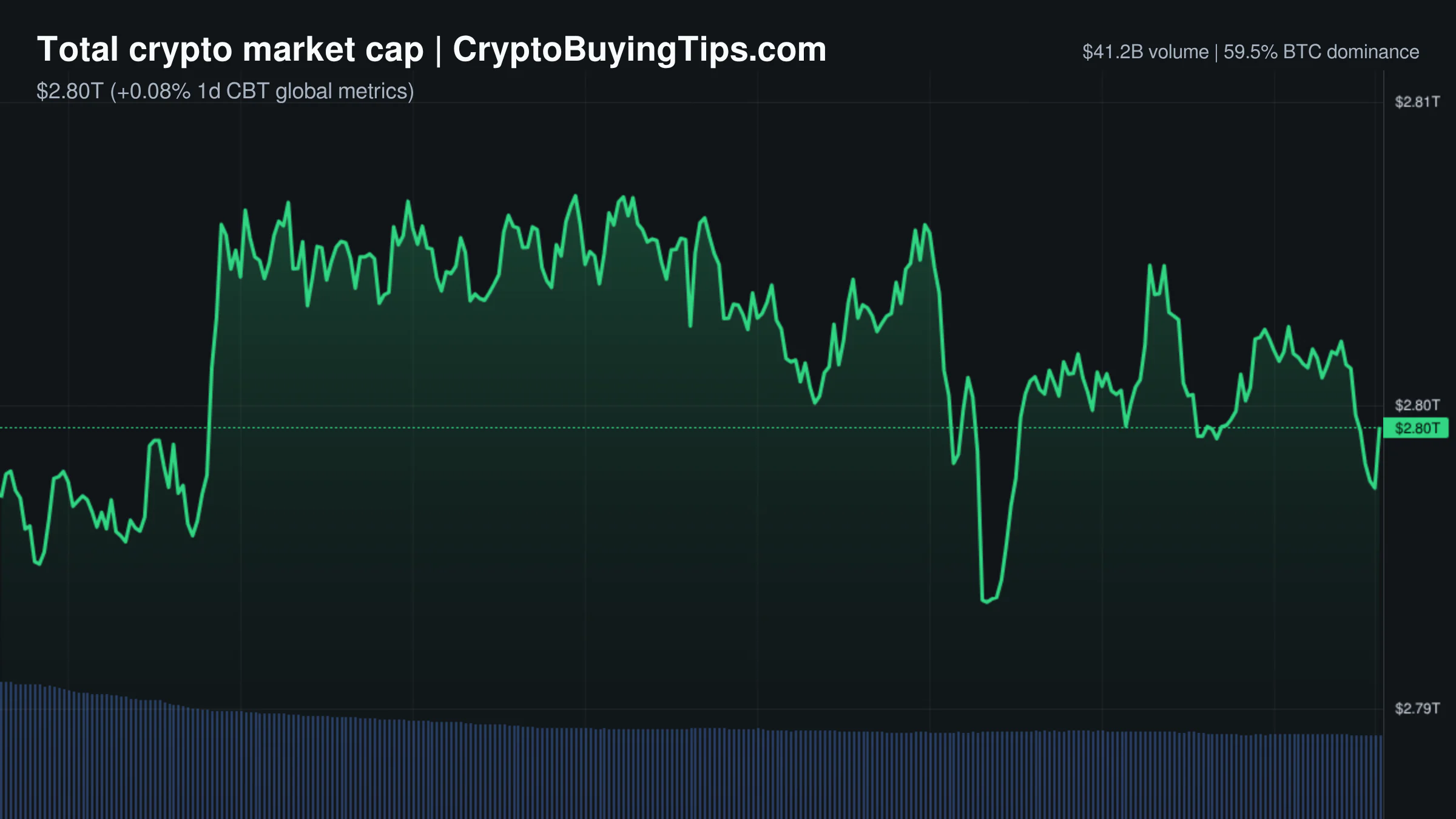
It is funny that this is happening while the rest of the market is in a state of absolute panic. The Fear and Greed Index is sitting at 13, which is extreme fear. Most retail traders are staring at a crashing S&P 500 and wondering if the bottom is even in. Meanwhile, the banks are calmly building the infrastructure to replace the very things that made crypto attractive in the first place.
While the banks build their walled gardens, I still believe in the importance of self-custody. If you are moving your assets into these new "bank-led" networks, you are giving up your keys. That is why I always tell people to keep their core holdings offline. I use a Ledger Nano X because it has Bluetooth for easy mobile management but keeps my private keys completely off the internet. It is a small thing, but in a world where banks are trying to tokenize everything, owning your own keys is the only real way to ensure you actually own your money.
The battle for the settlement layer is not about technology. It is about power. Do we want a future where money is a public utility, or one where it is a corporate product? I know which one I prefer.
Trade the news at our editorial-picked exchange: MEXC
Some links in this article may be affiliate links. We may earn a commission at no extra cost to you — this never influences our analysis or coverage.

Sigrid Voss
Crypto analyst and writer covering market trends, trading strategies, and blockchain technology.
More Articles

Crypto Market Overview | Derivatives volume surges amid banking integration and regulatory tension | October 12, 2026
Derivatives volume surges amid banking integration and regulatory tension, showing high activity but muted price action…

BTC and ETH ETFs are bleeding while XRP is the only institutional winner
The narrative suggests endless accumulation, yet ETF outflows signal that big players have paused their spending spree.…
Crypto Market Overview | volume collapse amid regulatory focus on event contracts | October 11, 2026
Crypto market overview shows volume collapse amid regulatory focus on event contracts, with spot and derivatives…

StarkNet is ripping but the altcoin season narrative is a lie
StarkNet's recent surge has the usual crowd convinced an altcoin season has arrived; our data suggests this rally is…