

Hong Kong just licensed its first stablecoins and the banks are taking over
Most of us got into crypto to get away from the banks. We wanted assets that didn't require a middleman with a mahogany desk to tell us what we can do with our own money. But Hong Kong is currently building a very different world. With HSBC and Standard Chartered getting the green light to issue stablecoins, the city is betting that the future of digital money isn't a rebel's dream, but a corporate product. For a lot of people, the main question now is how to use bank issued stablecoins without losing the benefits of blockchain.
What actually happened
Hong Kong has officially moved from "experimenting" to "executing." The government has issued licenses to some of the biggest names in traditional finance, specifically HSBC and Standard Chartered. These aren't just small pilot programs. They are creating regulated, fiat-backed tokens that live on a ledger but are governed by the same people who run your savings account.
This is a sharp pivot from the "wild west" era of Tether (USDT). While USDT has dominated the market through sheer liquidity and a "trust me" approach to reserves, Hong Kong is opting for a framework where the issuer is a licensed bank. If the bank fails, there are regulatory safeguards. If the bank freezes your funds, it's because a government agency told them to.
Why the banks are winning
I've spent years tracking how institutional money moves, and the pattern is clear. Big money doesn't want "disruption" if it means risking a lawsuit from a regulator. They want the efficiency of a blockchain without the legal headache.
By letting banks issue stables, Hong Kong is solving the "trust gap" for corporations. A hedge fund might be nervous about keeping $100 million in a token issued by a company in the British Virgin Islands, but they'll trust a licensed bank in a global financial hub.
But there's a catch. When a bank issues a stablecoin, it's not a decentralized asset. It's a digital IOU. We're seeing a shift where the technology is crypto, but the philosophy is purely TradFi. I think this is a double-edged sword. It brings legitimacy and massive liquidity, but it kills the censorship-resistance that made me love this space in 2019.
How to use bank issued stablecoins in the real world
If you're wondering how to use bank issued stablecoins, you have to realize they won't behave like the tokens you find on a DEX. You'll likely need a KYC-verified account with the issuing bank. You won't just "mint" these on a website; you'll swap your fiat balance for a digital token within a bank's app or a regulated custodian.
From there, these tokens will likely be used for "atomic settlement." This means instead of waiting two days for a wire transfer to clear, a company can send a bank-issued stablecoin and receive a stock or bond in the same second.
For the average trader, these tokens will eventually hit the big exchanges. If you want to trade these regulated assets as they roll out, I'd recommend using Bybit because their interface handles the transition between different stablecoin pairs better than most.
What I'm watching next
I'm keeping a close eye on the "stablecoin war" between Hong Kong and the US. While the US Treasury is still fighting with issuers and making people nervous, Hong Kong is just opening the doors.
The big trigger for me will be the liquidity. If these bank-led stables start eating into USDT's market share, we might see a massive rotation of capital. Right now, the market is neutral, with a Fear & Greed index of 47, and we're firmly in a Bitcoin season with an Altcoin Season Index of 24. This means most of the money is staying in BTC.
But if institutional "safe" stables make it easier for pension funds to enter the market, the floodgates could open. I'm not saying this is a bullish signal for every altcoin, but it's a signal that the adults are finally in the room. And as anyone who has watched this market since 2019 knows, the adults usually bring a lot of money, but they also bring a lot of rules.
Some links in this article may be affiliate links. We may earn a commission at no extra cost to you — this never influences our analysis or coverage.

Sigrid Voss
Crypto analyst and writer covering market trends, trading strategies, and blockchain technology.
More Articles
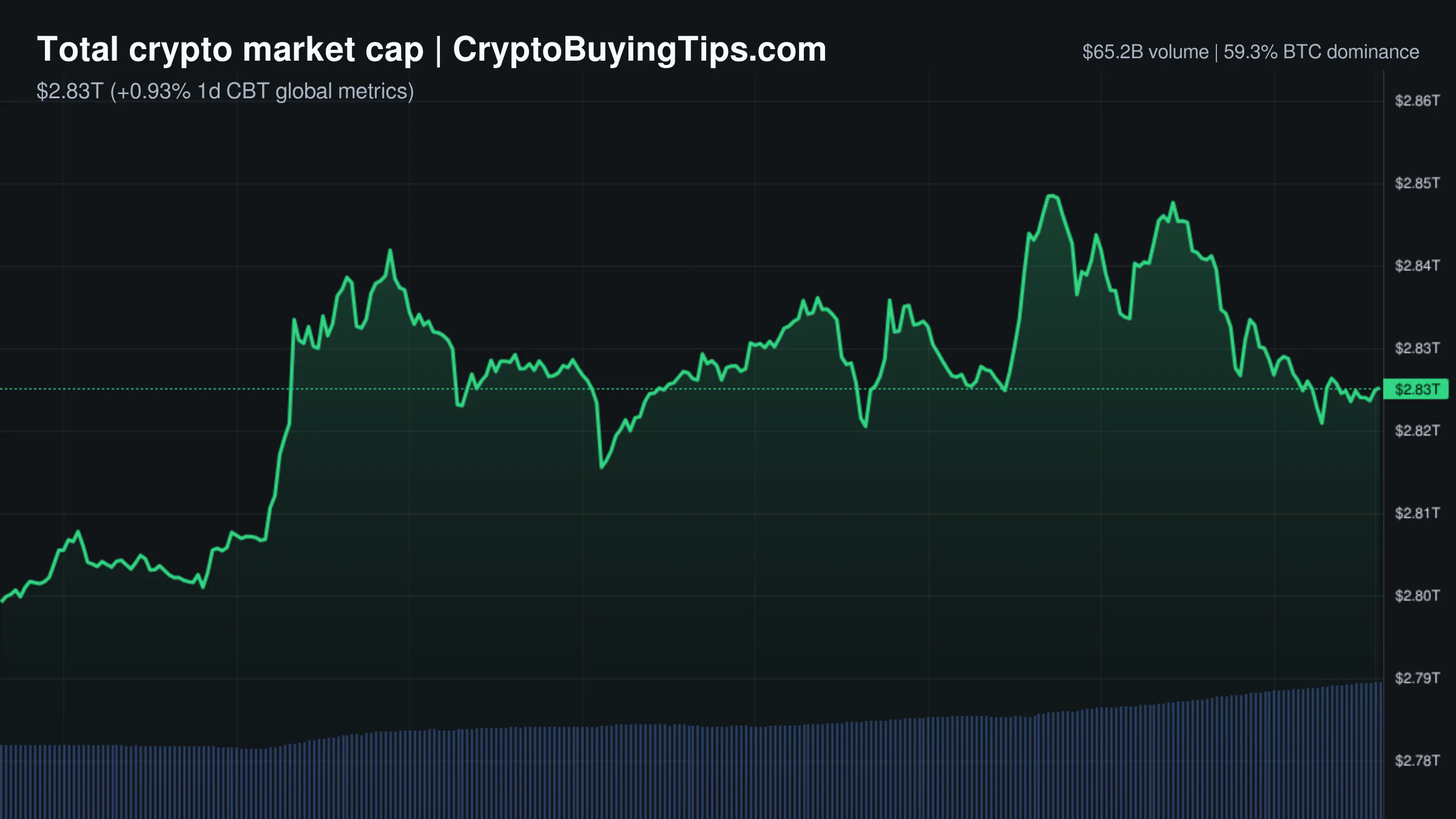
Crypto Market Overview | Derivatives volume surges amid banking integration and regulatory tension | October 12, 2026
Derivatives volume surges amid banking integration and regulatory tension, showing high activity but muted price action…

BTC and ETH ETFs are bleeding while XRP is the only institutional winner
The narrative suggests endless accumulation, yet ETF outflows signal that big players have paused their spending spree.…
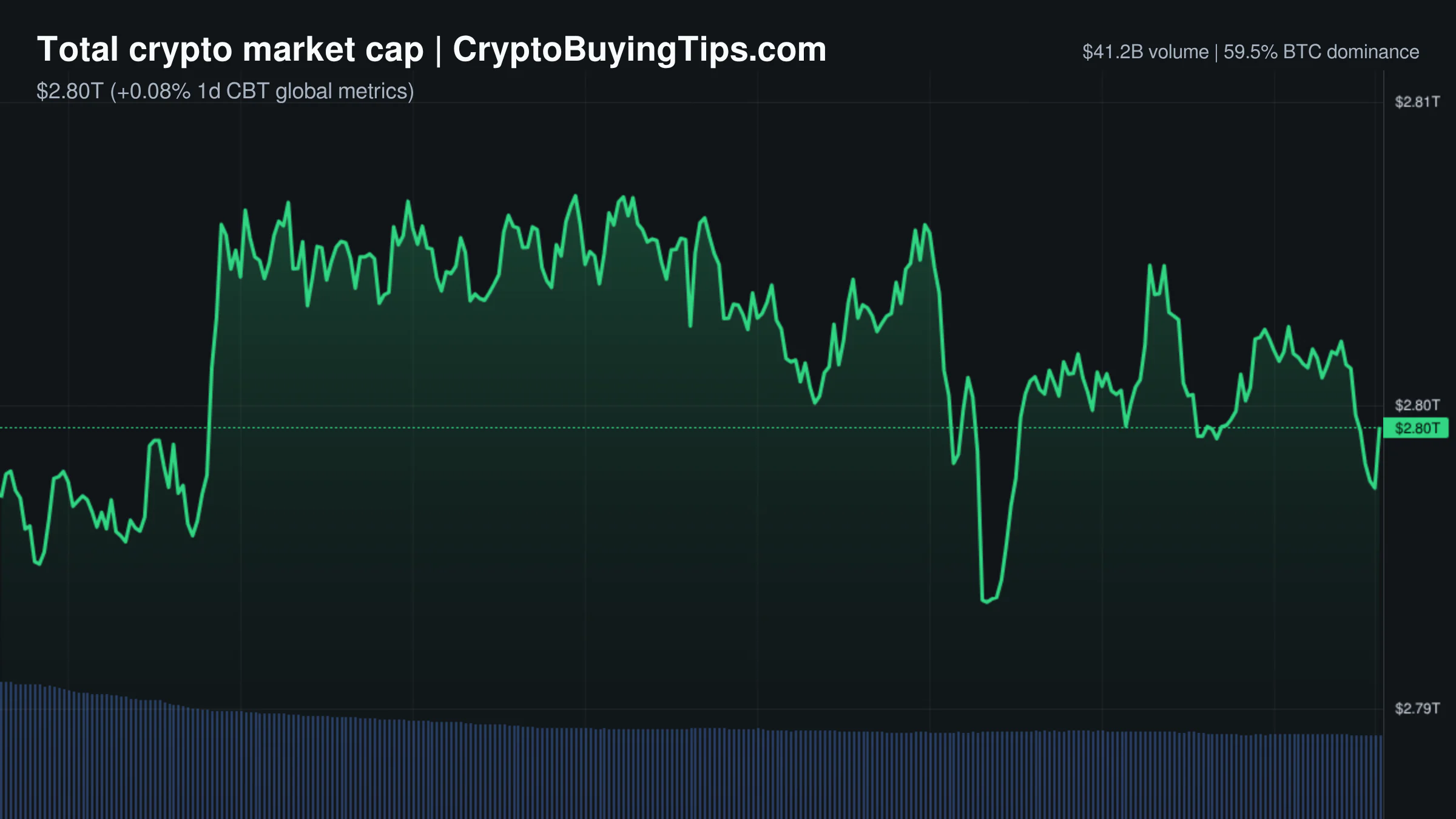
Crypto Market Overview | volume collapse amid regulatory focus on event contracts | October 11, 2026
Crypto market overview shows volume collapse amid regulatory focus on event contracts, with spot and derivatives…

StarkNet is ripping but the altcoin season narrative is a lie
StarkNet's recent surge has the usual crowd convinced an altcoin season has arrived; our data suggests this rally is…