
Aave is losing $15 billion. Here is where the money is actually going
The numbers coming out of Aave right now are honestly startling. While most of the market is riding a wave of greed, with the Fear and Greed Index sitting at 61, Aave is bleeding. Data from @WuBlockchain and @EmberCN shows a massive $15.1 billion outflow. If you are looking at the broader market, it looks like a party, but inside the DeFi lending space, there is a quiet, systemic migration happening. For anyone trying to figure out the aave vs sparklend comparison, the flow of capital is giving us the answer before the marketing decks do.
What is actually happening
To understand this, we have to look at where the liquidity is moving. Aave has long been the gold standard for DeFi lending, but we are seeing a huge shift toward Spark Protocol. Spark is essentially a "sister" protocol to MakerDAO, and it is designed to be more efficient for specific types of institutional capital.
The $15.1 billion exodus isn't just a random dip. It is a strategic move. A lot of the capital is rotating into Spark because it offers a tighter integration with DAI and the broader Maker ecosystem. When you see a collapse in DeFi 24h volume of over 62%, as the current data shows, it tells me that the "old guard" of DeFi is struggling to keep users engaged while new, more specialized protocols lure them away with better incentives.
Why this migration is a red flag
I have a love-hate relationship with these "ecosystem" migrations. On one hand, it is natural for a protocol to evolve. On the other, a $15 billion hole is a lot of missing liquidity. In my experience, liquidity is the only thing that actually matters in a crisis. If Aave loses too much of its depth, it becomes more susceptible to "bad debt" cascades.
If a few large whales decide to exit Aave at the same time during a market dip, the lack of liquidity could lead to a crunch. We are currently in a "Bitcoin Season" with an Altcoin Season Index of only 14, meaning most of the money is hiding in BTC. When the money isn't rotating into alts, it is often consolidating into the most efficient "money legos." Right now, that seems to be Spark, not Aave.
The aave vs sparklend comparison
If you are choosing between the two, it really comes down to what you value. Aave is a massive, multi-chain behemoth. It is the safer bet for general use. Spark, however, is built for the MakerDAO power user.
The problem is that Spark is essentially eating Aave's lunch by offering more aggressive incentives for DAI holders. I think this is a classic case of a dominant player getting complacent while a leaner, more focused competitor targets their biggest users. It is the same pattern I have seen in traditional finance for years, and it usually ends with the original player having to radically change their tokenomics to survive.
How to handle the volatility
Whether you are moving funds or just holding, the current market is high-leverage and risky. Derivatives volume is up nearly 26%, which usually means we are one bad headline away from a massive liquidation event.
I don't trust keeping large amounts of capital on any single protocol during these migrations. I prefer using a hardware wallet to keep my core holdings off-exchange and out of risky lending pools. I personally use the Ledger Nano X because the Bluetooth makes it easy to manage my portfolio from my phone without needing a cable every time I want to check my positions. It is a simple way to ensure that even if a protocol like Aave hits a liquidity wall, my primary assets aren't trapped in a failing smart contract.
What I am watching now
I am keeping a very close eye on the ETH dominance, which is currently sitting at a tiny 11.03%. If Ethereum doesn't start catching up to Bitcoin, the demand for DeFi lending on the ETH mainnet will continue to dry up.
I also want to see if Aave responds with a new incentive program to bring the $15 billion back. If they don't, we might be witnessing the beginning of a permanent shift in how DeFi liquidity is distributed. I am not saying Aave is dead, but the "too big to fail" narrative in DeFi is being tested in real time.
Some links in this article may be affiliate links. We may earn a commission at no extra cost to you — this never influences our analysis or coverage.

Sigrid Voss
Crypto analyst and writer covering market trends, trading strategies, and blockchain technology.
More Articles
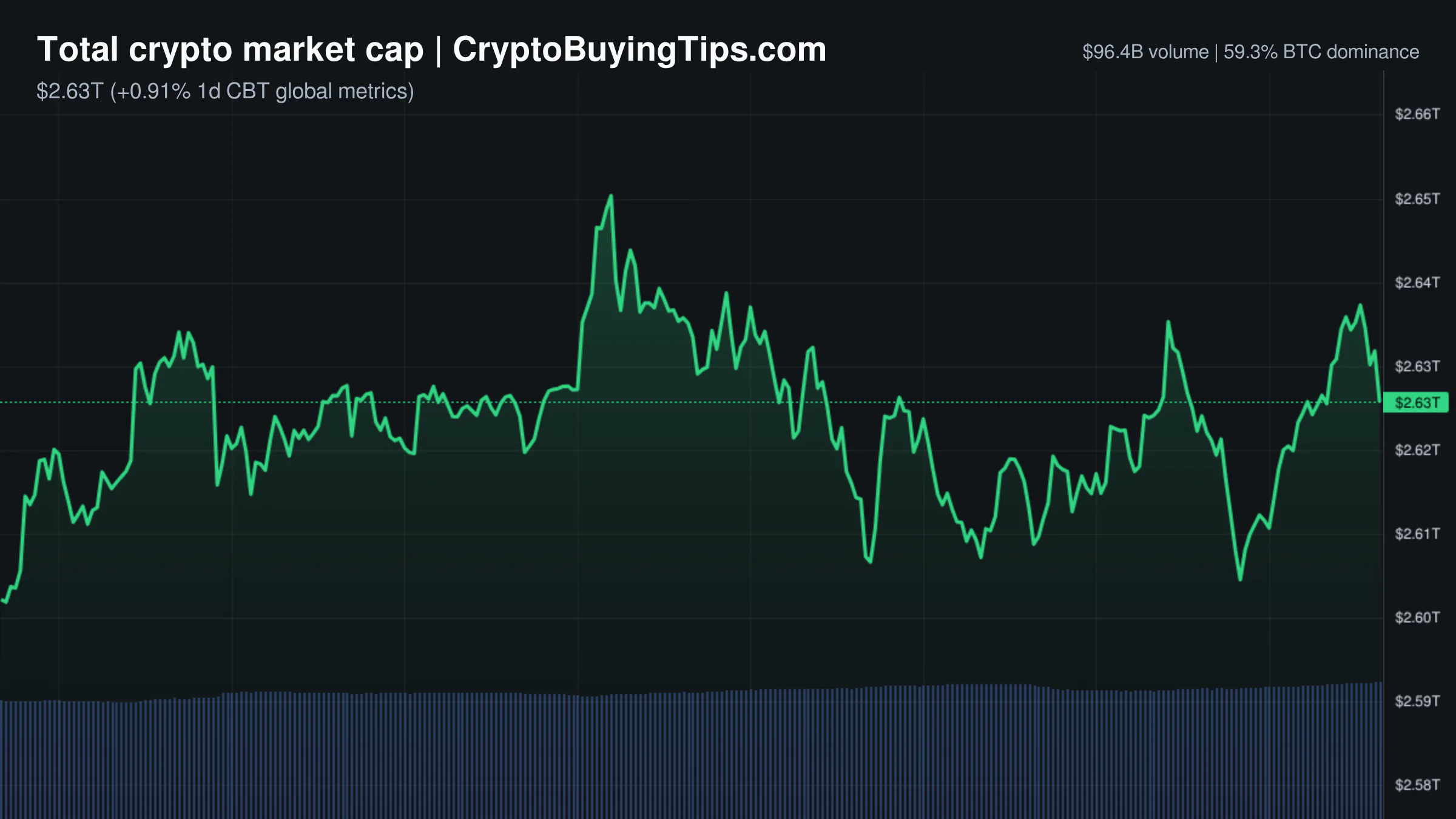
Crypto Market Overview | Leverage-driven rally amid strong ETF inflows as BTC targets 80k | August 24, 2026
Leverage-driven rally sees BTC near 80k amid strong ETF inflows; see our market overview on current crypto dynamics.

Derivatives volume is 8x higher than spot. Here is why that is a warning
The market's current price action seems to be driven by bets rather than cash; with derivatives volume eight times…
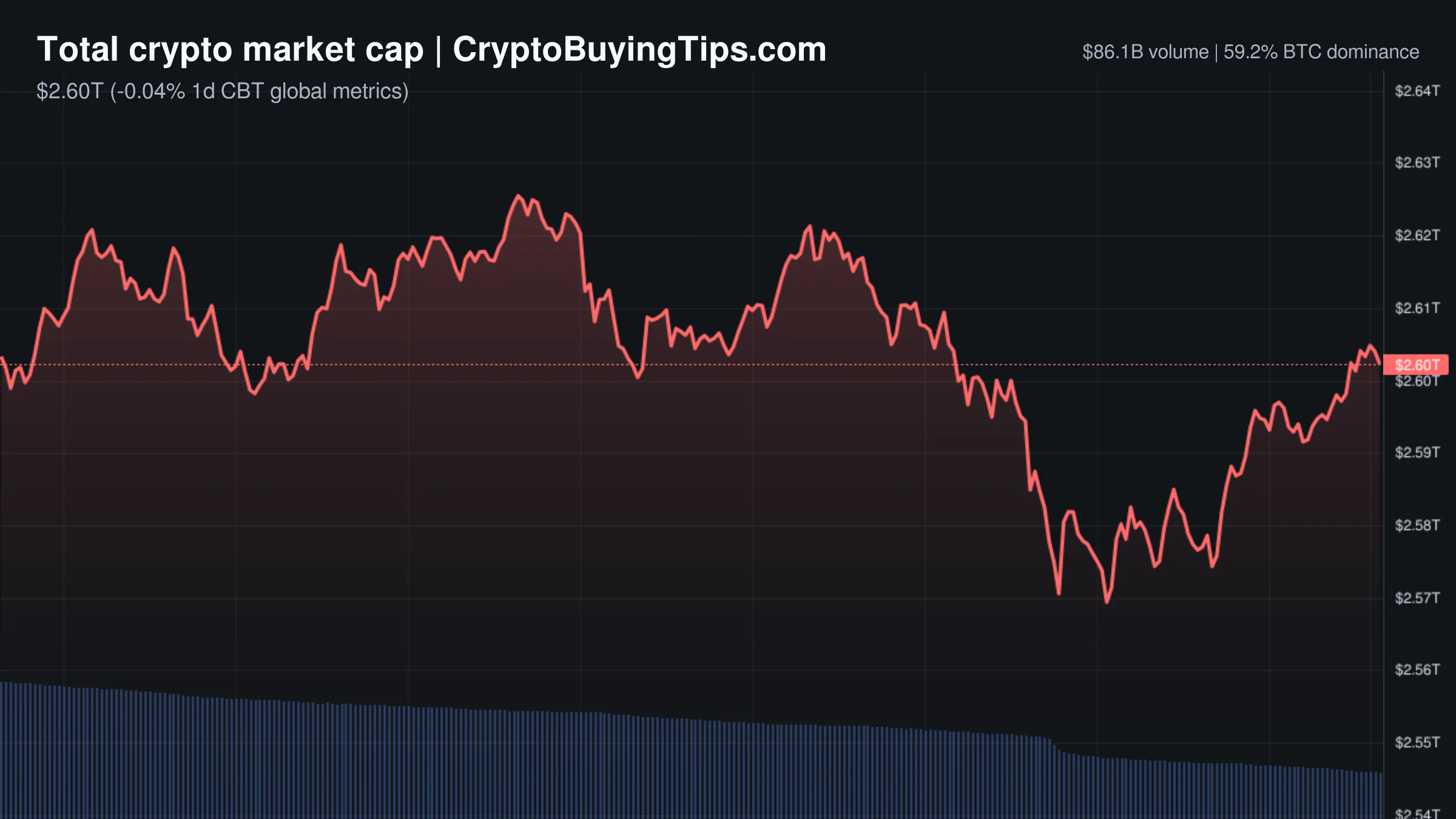
Crypto Market Overview | volume collapses as greed persists amid regulatory friction | August 23, 2026
Volume collapses as greed persists amid regulatory friction; see our market overview on crypto's current state and key…

Brussels is coming for DeFi vaults and the market is ignoring the risk
Brussels seems to think "decentralized" is just an aesthetic choice for now. Our read suggests MiCA regulation isn't…