

The PACE Act could let non-banks use Fed rails. Here is why that changes everything
If you have spent any time in crypto, you know the "on-ramp" struggle. Moving money from a traditional bank account into a digital wallet often feels like trying to push a boulder uphill. It is slow, expensive, and depends entirely on whether a bank feels like cooperating with your exchange. This is why the PACE Act is such a big deal. For anyone looking for a PACE Act explained for beginners, the simplest way to put it is this: it could allow non-bank financial companies to access the Federal Reserve's payment systems directly.
What the PACE Act actually does
Right now, the Federal Reserve's payment rails are basically a private club. To get in, you generally need to be a chartered bank. If you are a fintech company or a crypto exchange, you have to "rent" access by partnering with a bank. This creates a middleman. That middleman takes a cut of the fees and, more importantly, can decide to shut you off if they decide crypto is too risky.
The PACE Act aims to change that. It proposes a way for non-banks to access these rails without needing a full banking charter. This means a company could settle payments directly with the Fed. It removes the "partner bank" dependency and lets the companies that actually build the tech handle the movement of money.
Why this is a bullish structural shift
I have been following the markets since 2019, and I have seen plenty of "institutional adoption" narratives that ended up being vaporware. But this is different because it is about the plumbing.
When a company can access Fed rails, the friction of moving USD into and out of the crypto ecosystem drops. We are talking about faster settlements and lower costs. But the real win is the reduction of systemic risk. We saw how terrified exchanges were during the 2023 banking crisis when their partner banks started wobbling. If an exchange has its own direct line to the Fed, it is no longer at the mercy of a small regional bank's solvency.
This is the macro-bridge between TradFi and DeFi. It doesn't make the banks obsolete, but it stops them from being the sole gatekeepers. In my experience, the biggest hurdle for crypto has never been the tech, it has been the interface with the legacy financial system. The PACE Act attacks that hurdle head-on.
The risks and the reality check
I am not a permabull, and there are a few things that make me cautious. First, the Fed is not just handing out keys to the kingdom for free. Any non-bank that gets access will likely face oversight that would make a traditional bank blush. We are talking about massive compliance requirements.
Second, there is the risk of centralization. If only the biggest players can afford the compliance costs to use these rails, we might just replace "bank gatekeepers" with "corporate gatekeepers." I keep thinking about whether this actually helps the average user or if it just makes the big exchanges even more powerful.
Still, compared to the constant stream of lawsuits from the SEC or the fear of quantum computing breaking encryption, this is a genuine piece of progress. It is a recognition that the way we move money is outdated.
How to position yourself
While the macro plumbing is being fixed, the immediate market is still a bit messy. Looking at the data, we are firmly in a Bitcoin Season with an Altcoin Season Index of only 37. BTC dominance is creeping up toward 60%, which means the "big dog" is eating all the gains while altcoins struggle to keep up.
If you are moving funds around to take advantage of these shifts, I always tell people to get their assets off the exchanges. Whether the PACE Act passes or not, the biggest risk is always counterparty risk. I personally use a Ledger Flex because it gives me a secure E Ink touchscreen to verify transactions without spending $400 on the Stax model. It is the best middle-ground for someone who wants hardware security but doesn't need a fancy curved screen.
The PACE Act is not a "price goes up tomorrow" catalyst. It is a structural change. But when the plumbing finally works, the flow of capital usually follows. I will be watching the legislative progress closely to see who actually gets granted access.
Some links in this article may be affiliate links. We may earn a commission at no extra cost to you — this never influences our analysis or coverage.

Sigrid Voss
Crypto analyst and writer covering market trends, trading strategies, and blockchain technology.
More Articles
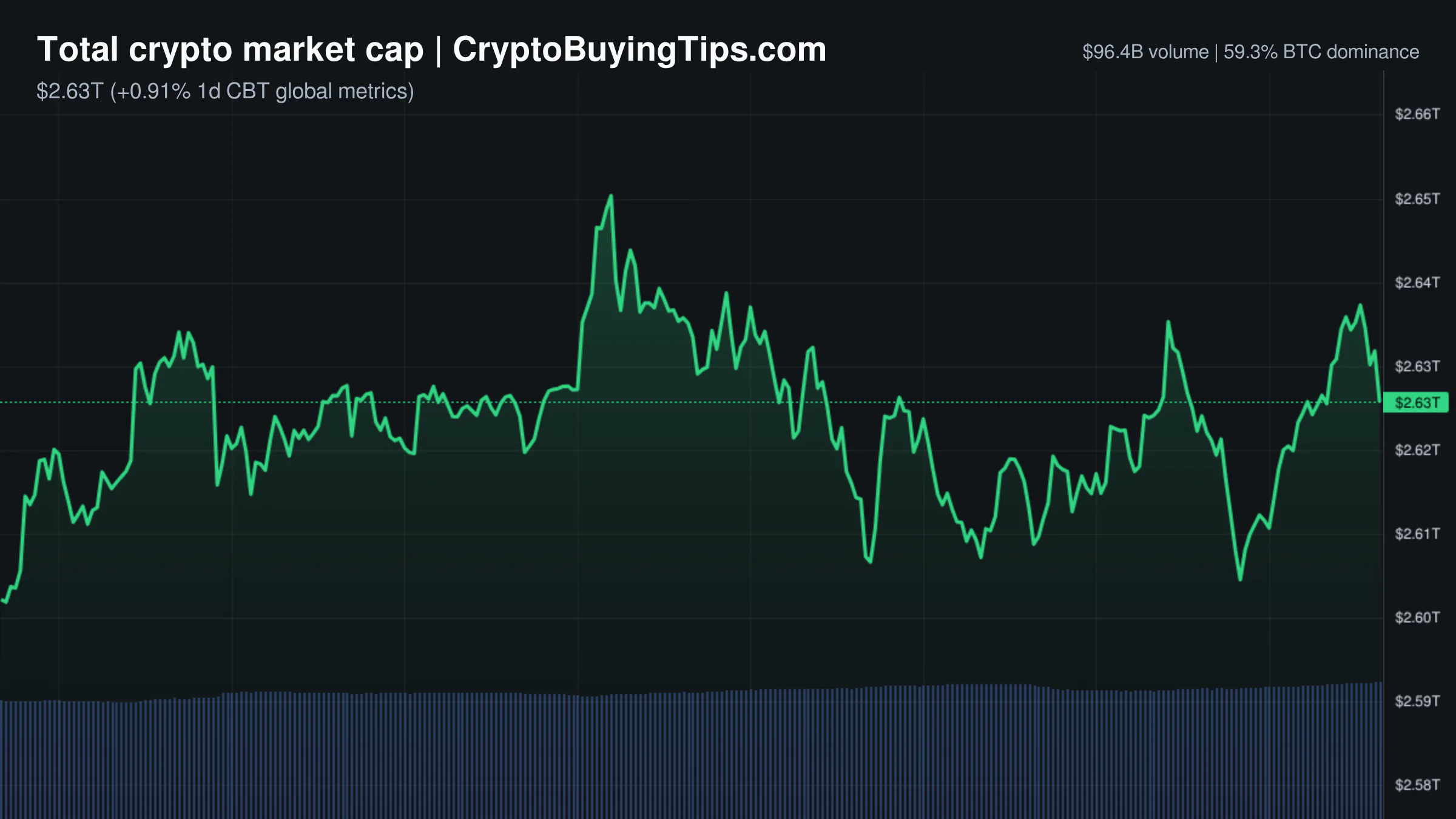
Crypto Market Overview | Leverage-driven rally amid strong ETF inflows as BTC targets 80k | August 24, 2026
Leverage-driven rally sees BTC near 80k amid strong ETF inflows; see our market overview on current crypto dynamics.

Derivatives volume is 8x higher than spot. Here is why that is a warning
The market's current price action seems to be driven by bets rather than cash; with derivatives volume eight times…
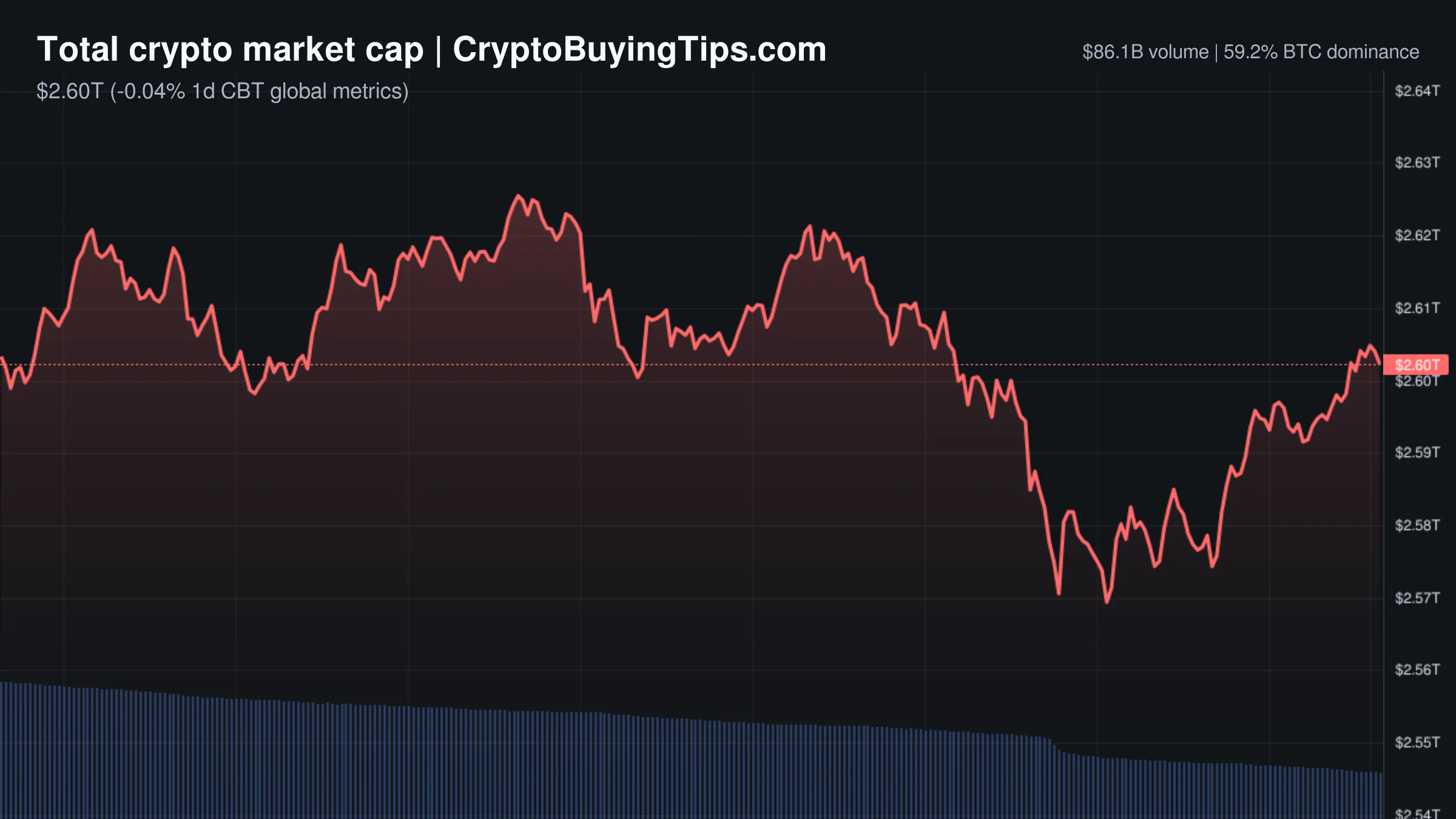
Crypto Market Overview | volume collapses as greed persists amid regulatory friction | August 23, 2026
Volume collapses as greed persists amid regulatory friction; see our market overview on crypto's current state and key…

Brussels is coming for DeFi vaults and the market is ignoring the risk
Brussels seems to think "decentralized" is just an aesthetic choice for now. Our read suggests MiCA regulation isn't…