

BlackRock is buying the dip but your altcoins are still flat

I've spent the last few days watching a weird disconnect in the data. On one side, we have BlackRock and other institutional giants hitting five-week highs in their BTC ETF inflows. On the other, the Altcoin Season Index is sitting at a depressing 22/100. If you're staring at your portfolio wondering how to tell if altcoin season has started while Bitcoin gets all the love, you aren't alone. It feels like the "institutional bull run" is happening in a vacuum that doesn't include anything other than BTC.
Why institutional money doesn't help alts immediately
When I first started tracking these markets in 2019, the flow of money was simpler. Bitcoin would pump, then Ethereum would follow, and then the "wealth effect" would push traders into smaller, riskier coins. It was a waterfall.
Now, the plumbing has changed. Most of the money flowing into BlackRock's IBIT isn't coming from "crypto natives" who will eventually rotate their profits into a random Layer 1 or a meme coin. It's coming from pension funds and 401k accounts. These buyers aren't looking for the next 100x gem; they're buying Bitcoin as a digital gold hedge.
This creates a "silo" effect. Bitcoin's price can climb or stabilize because of ETF demand, but that money stays in the ETF. It doesn't leak into the rest of the ecosystem.
How to tell if altcoin season has started
To understand if the tide is actually turning, I don't look at the news headlines. I look at the Altcoin Season Index. Right now, at 22, we are firmly in "Bitcoin Season." For me, the real shift happens when that index crosses 75. That means 75% of the top 100 coins have outperformed Bitcoin over the last 30 days.
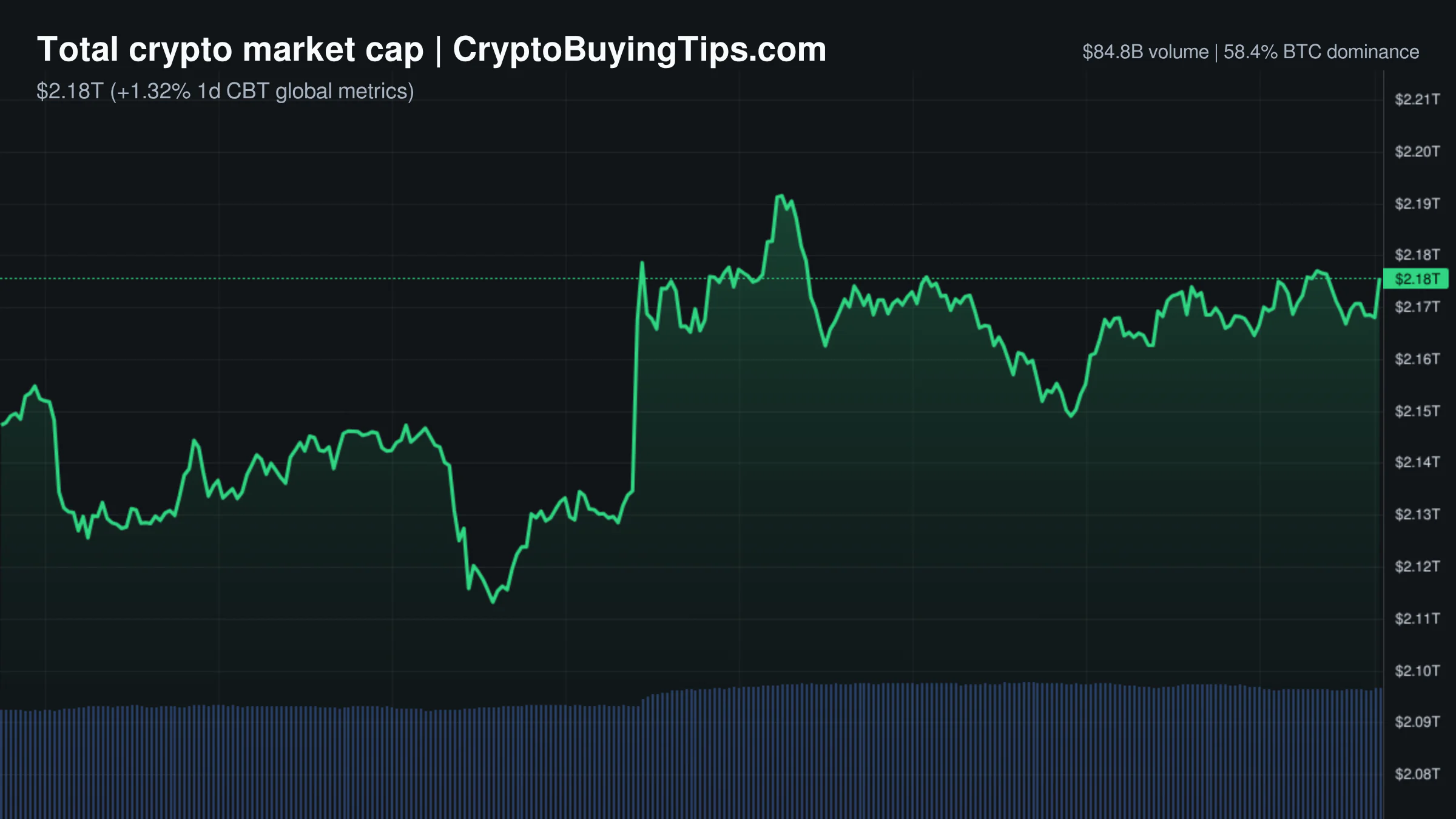
But there's a more intuitive sign I watch for: BTC dominance. When Bitcoin's dominance starts to plateau or drop while the total market cap continues to rise, that's when the rotation begins. Right now, the market is in a neutral state, with a Fear and Greed Index of 48. People aren't greedy enough to gamble on alts yet, but they aren't terrified enough to sell everything.
What I'm watching next
I'm keeping a close eye on Ethereum. Historically, ETH is the bridge. When institutional money finally moves from BTC ETFs into ETH ETFs, it usually signals that the "risk-on" appetite is returning.
I also think the CME's move toward 24/7 trading and adding coins like Avalanche and Sui is interesting. It's another sign that institutions want a piece of the altcoin pie, but they want it on their own terms and on their own platforms.
If you're tired of waiting for the rotation and want to trade the volatility in the meantime, I've found Bybit to be one of the best options for perpetuals. Their interface doesn't get in the way, which is what I need when the market starts moving fast.
Bottom line: don't mistake institutional BTC inflows for an altcoin signal. They are two different animals. Until the Altcoin Season Index climbs out of the 20s, the money is staying in the big house.
Sigrid Voss
Crypto analyst and writer covering market trends, trading strategies, and blockchain technology.
More Articles
Bitcoin ETFs just bled $1.7B in a month. Are the institutions actually giving up?
Bitcoin ETFs experienced a significant outflow of $1.7 billion this month, signaling a shift away from the initial "wall…
Bybit is letting you buy tokenized IPOs. Here is the catch
Bybit’s IPO Express offers retail investors access to tokenized IPOs like SpaceX, but it’s crucial to understand you’re…

The $763 billion leverage trap masking a fake recovery
A $763 billion surge in leveraged trading is masking a potentially dangerous market recovery. The massive disparity…
Crypto Market Overview | Leveraged recovery amid extreme fear | June 8, 2026
Crypto Market Overview Leveraged recovery amid extreme fear June 8, 2026 Market overview The crypto market is…