

Bridges are the weakest link in crypto and the latest DOT exploit proves it
I've spent the last few years watching people treat cross-chain bridges like magic portals. You put some ETH in one side, and a few minutes later, you have DOT or SOL on the other. It feels seamless, but the recent $1B minting event on Hyperbridge shows that this "magic" is actually a massive security risk. If you've ever wondered how do cross chain bridges work and why they keep getting hacked, you're looking at the most dangerous part of the crypto ecosystem.
The short answer
A bridge doesn't actually "move" your coins between blockchains because blockchains can't talk to each other. Instead, a bridge locks your assets in a smart contract on Chain A and mints an equivalent "wrapped" version of that asset on Chain B. You aren't holding your original coin anymore; you're holding a receipt that the bridge promises to honor.
How it actually works
To understand the vulnerability, you have to look at the process. Imagine I want to move 100 DOT to Ethereum. I send my DOT to a bridge contract on Polkadot. That contract holds the DOT in a vault. Then, the bridge tells the Ethereum side, "I have 100 DOT locked here, go ahead and mint 100 wrapped DOT (wDOT) for this user."
The bridge relies on a set of validators or a smart contract to verify that the deposit actually happened. This is where things break. In the Hyperbridge exploit, the attacker didn't find a way to steal the locked DOT. Instead, they tricked the bridge into thinking a deposit had happened when it hadn't. They basically forged the receipt. Because the bridge believed the fake proof, it minted $1B in assets out of thin air.
Where people get tripped up
The biggest mistake beginners make is thinking that wrapped assets are the same as native assets. They aren't. When you hold wDOT on Ethereum, you are trusting the bridge's security. If the bridge is exploited, your wDOT becomes a worthless piece of code because there is no longer a 1:1 reserve of real DOT backing it.
I've seen this happen repeatedly since 2019. People chase high yields on a different chain and forget that they've introduced a middleman into their trade. The middleman is the bridge, and the middleman is almost always the easiest target for a hacker.
Putting it into practice
If you must use bridges, I suggest keeping your long-term holdings in cold storage. I use a Ledger for my main portfolio because keeping assets off an exchange is one thing, but keeping them off a risky bridge is another.
If you're moving funds for a quick trade, use the most established bridges possible, but never leave your money there. Move it back to a native wallet as soon as you're done. And for the love of everything, stop trusting "wrapped" assets as a safe way to store value. They are tools for utility, not vaults for savings.
Some links in this article may be affiliate links. We may earn a commission at no extra cost to you — this never influences our analysis or coverage.

Sigrid Voss
Crypto analyst and writer covering market trends, trading strategies, and blockchain technology.
More Articles
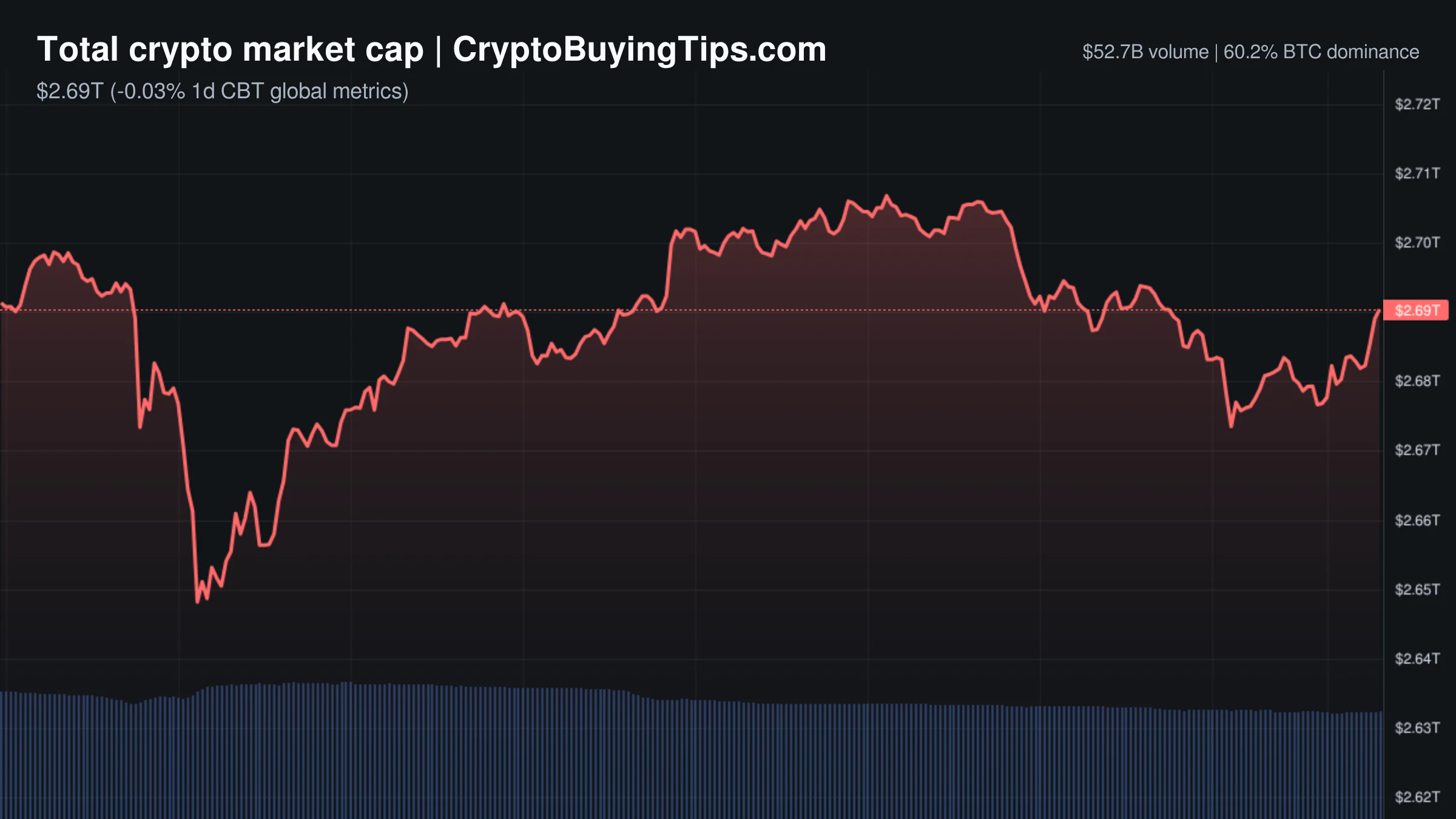
Crypto Market Overview | volume collapses as bitcoin holds $80k amid mixed institutional signals | October 25, 2026
Crypto market overview shows collapsing volume as bitcoin holds $80k amid mixed institutional signals and geopolitical…

Stablecoins are leaving the exchanges. HSBC just proved it
The market seems preoccupied with leverage ratios while real money moves elsewhere; a major bank issuing licensed…
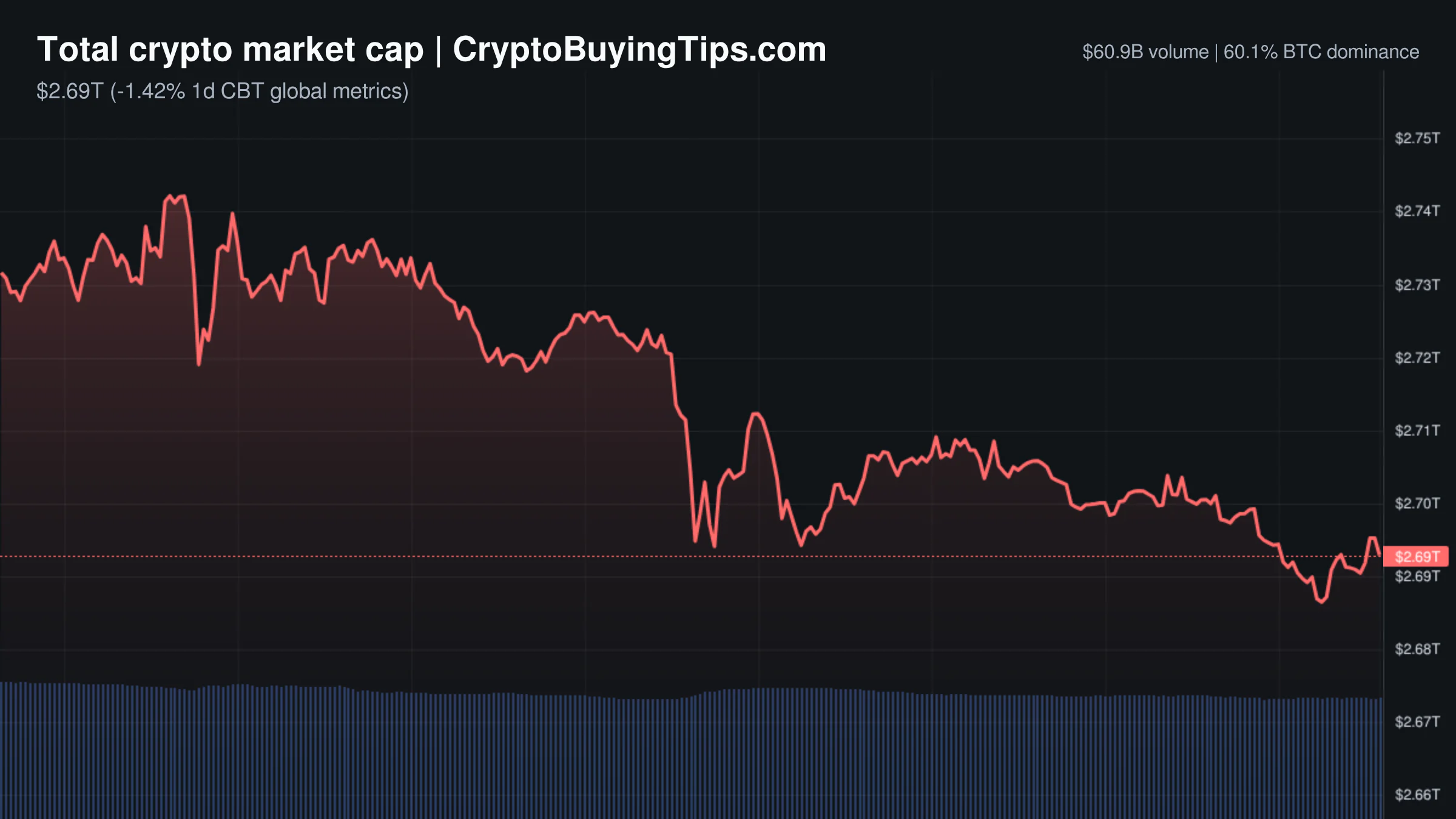
Crypto Market Overview | Derivatives volume dwarfs spot activity amid regulatory uncertainty and institutional outflows | October 24, 2026
Derivatives volume dwarfs spot activity amid regulatory uncertainty and institutional outflows, showing market…

Fidelity outflows and Ethereum OG dumps suggest a hidden exit
Another day of market data suggesting everything is fine until you look at the outflows and OG dumping. Institutional…