

Coinbase's Trust Charter Approval: What It Means for Crypto Regulation
I remember sitting in a dimly newsroom in 2008, watching as trust in the entire financial system evaporated overnight. That feeling—the chilling uncertainty about who was solvent and who wasn't—is why today's news matters so much. The Office of the Comptroller of the Currency (OCC) has granted Coinbase a conditional national trust charter. For anyone wondering how does Coinbase trust charter affect crypto, the short answer is it’s a foundational shift. It’s a regulator saying, “This entity is sound enough to act as a fiduciary.” In a market gripped by fear, that’s a quiet but powerful vote of confidence.
Market context: fear meets a regulatory milestone
The crypto market feels jittery right now. The Fear & Greed Index is sitting at 28, deep in “Fear” territory. We just saw a nasty exploit on Solana’s Drift Protocol, shaking confidence in DeFi security. Total market cap is holding at $2.51 trillion, but the mood is cautious. Bitcoin dominance is at 50%, and the Altcoin Season Index is a neutral 51, suggesting money isn’t decisively rotating anywhere. It’s the kind of environment where bad news gets amplified and good news gets shrugged off. That’s what makes this Coinbase development so interesting. It’s a substantial piece of good news that cuts directly against the nervous grain. It’s not a hype-driven price pump. It’s a slow, bureaucratic, and incredibly significant regulatory step.
Analysis: what a national trust charter actually means
A national trust charter from the OCC isn’t a pat on the back. It’s a rigorous license. It allows Coinbase to operate as a fiduciary across all 50 states, meaning it can custody assets for institutions with a higher standard of care. Think pension funds, endowments, and large corporations. The “conditional” part means the OCC is still watching closely, but the door is now officially open.
I’ve covered traditional finance for long enough to know what this unlocks. Institutions have trillions of dollars, but their lawyers have one primary job: avoid liability. Before this charter, keeping crypto with an exchange was often seen as a custodial risk. Now, Coinbase can offer services under a federally recognized trust framework, which satisfies a major box on an institutional compliance checklist. This isn’t about whether Bitcoin will go up or down tomorrow. It’s about building the plumbing that allows giant, slow-moving capital to eventually flow into this space. It legitimizes the entire concept of digital asset custody at the highest level.
What this means for traders and the market
For the average trader, this doesn’t change your day-to-day on a platform like Bybit where you’re actively managing futures positions. But it changes the landscape your trading exists within. Here’s my take on the implications.
First, it solidifies Coinbase as a clear, regulated on-ramp. For U.S. investors, especially those new to crypto, this matters. Knowing your primary exchange is also a federally supervised trust company reduces a layer of existential worry. Second, it sets a benchmark. Other entities will now pursue similar charters, raising the overall custodial standard in the industry. Third, and most importantly, it begins to separate the concepts of trading and custody. This is healthy. In traditional finance, you rarely keep your long-term holdings with your broker. You keep them with a bank or a trust. This charter starts to enable that same separation in crypto.
The immediate market effect might be muted—fear is a powerful emotion—but the long-term effect is to anchor part of the crypto ecosystem to a recognizable, traditional standard. That brings in players who have so far only watched from the sidelines.
Looking ahead: the long game of legitimacy
The conditional charter is a beginning, not an end. Coinbase will be under a microscope, and any misstep will be magnified. But this is how mature markets are built: piece by piece, regulation by regulation.
I’ll be watching two things. First, will other major crypto-native companies pursue similar charters? And second, how will this influence the ongoing political wrangling over crypto legislation in Congress? This move by a federal regulator could act as a template, showing a path forward that prioritizes consumer protection without stifling innovation. It also creates a clearer line between compliant actors and the wilder edges of DeFi.
For your own strategy, this is a reminder to think about custody. If institutions are being guided toward regulated trusts, it’s not a bad idea for you to consider your own security standards. For significant, long-term holdings, I still move assets off exchange to a hardware wallet like Ledger. It’s the personal version of what Coinbase is now doing at an institutional scale.
The path from the wild west of 2019 to a structured financial system is messy and controversial. But steps like this, however bureaucratic they seem, are the ones that build something lasting. They don’t always move the price today, but they build the floor it will sit on tomorrow.
Some links in this article may be affiliate links. We may earn a commission at no extra cost to you — this never influences our analysis or coverage.

Sigrid Voss
Crypto analyst and writer covering market trends, trading strategies, and blockchain technology.
More Articles
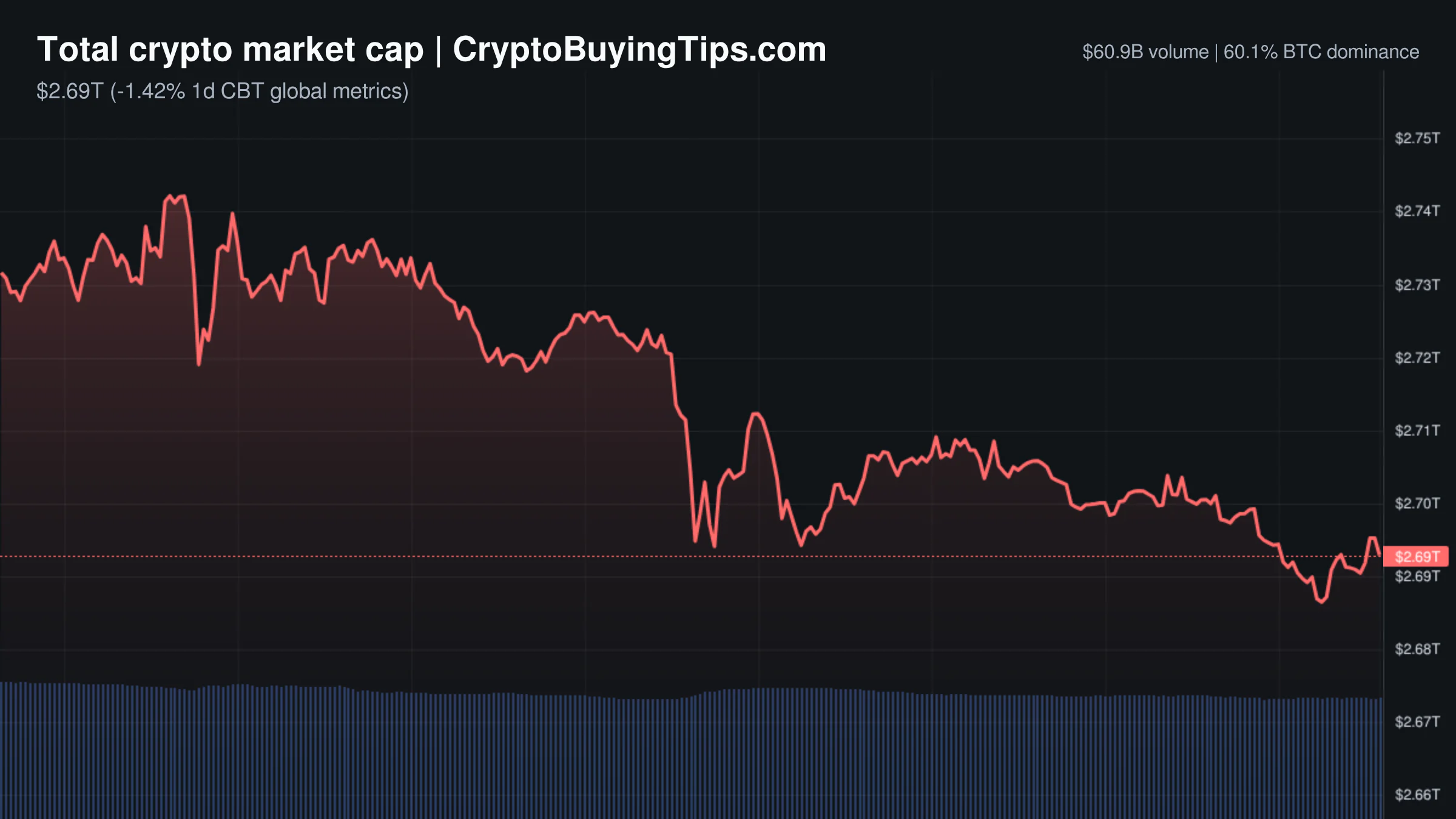
Crypto Market Overview | Derivatives volume dwarfs spot activity amid regulatory uncertainty and institutional outflows | October 24, 2026
Derivatives volume dwarfs spot activity amid regulatory uncertainty and institutional outflows, showing market…

Fidelity outflows and Ethereum OG dumps suggest a hidden exit
Another day of market data suggesting everything is fine until you look at the outflows and OG dumping. Institutional…
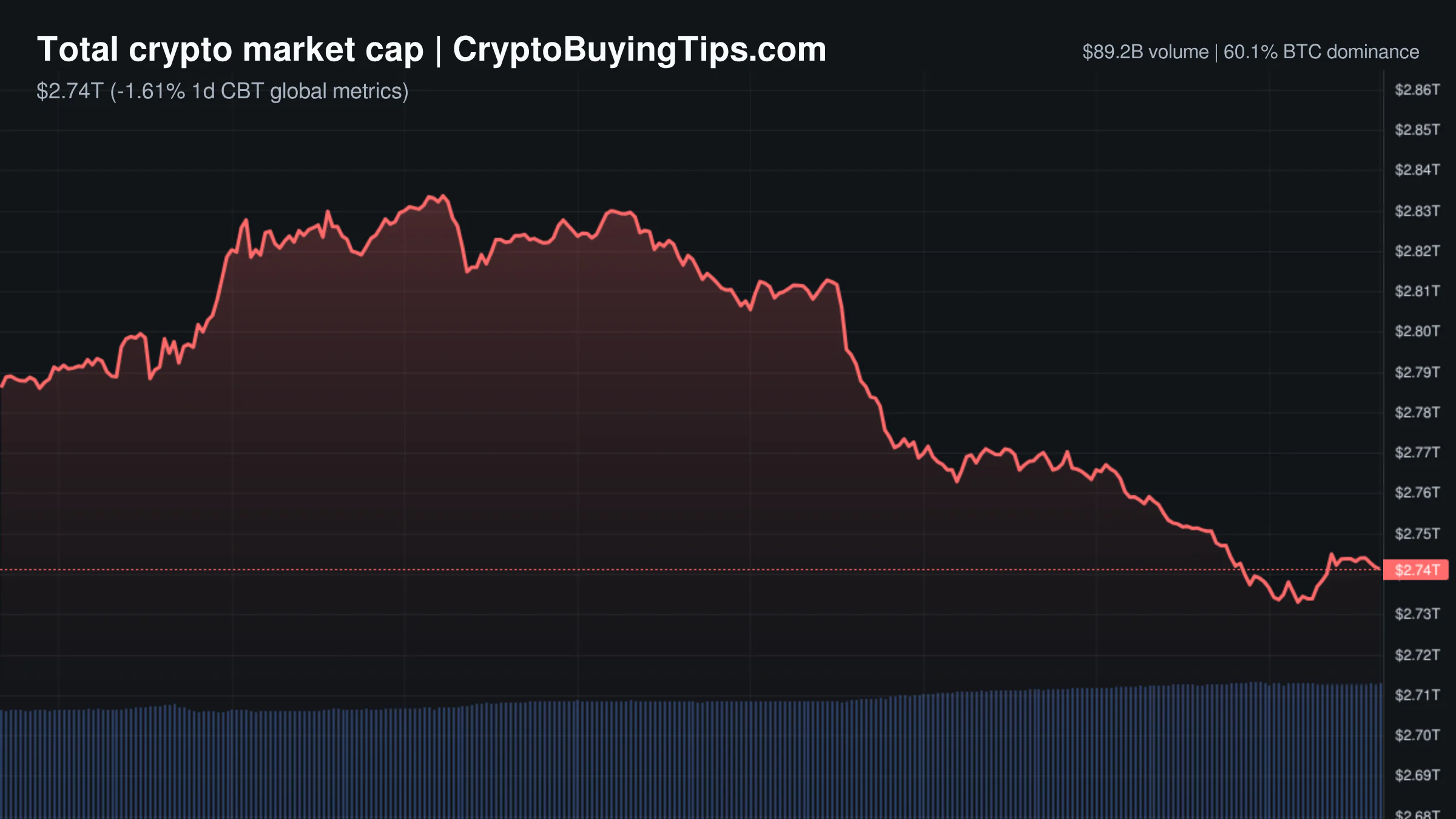
Crypto Market Overview | Leveraged bets surge amid regulatory clarity and institutional inflows | October 22, 2026
The market shows divergence between spot interest and leveraged bets amid regulatory clarity; see our overview here.

Volume is surging but prices are flat. Here is where the trigger is
Volume spikes while prices remain stubbornly flat; this divergence suggests an underlying battle between leveraged…