

Ethereum gas is at 0.04 Gwei and the network is a ghost town
When Ethereum gas settles near a negligible 0.04 Gwei, yet the Fear & Greed Index reads an emphatic 81 (Extreme greed), one has to ask: what does low ethereum gas mean for market participants? On the surface, it looks like a win for the user. You can move assets or swap tokens for pennies. But for an analyst, this divergence is a red flag. Our news scoring system rated this story 9/10 for novelty because it highlights a stark gap between how people feel about Ethereum and how they are actually using it. We previously covered Ethereum gas costs explained for more background.
The short answer
Low gas means the Ethereum network is idling. While the crowd is feeling greedy about the price of ETH, they aren't actually using the blockchain to do anything. This is a divergence between sentiment (how people feel) and utility (what people do). When price goes up but usage stays flat, the move is driven by speculation, not adoption.
How it actually works
To understand this, you have to view Ethereum as a digital auction house. Every time you send a transaction, you are bidding for a limited amount of space in the next block. When the network is busy, people bid higher to get their transactions processed first, which pushes the price of "gas" up. According to investopedia.com, gas prices rise and fall based on this simple supply and demand.
Right now, the auction is empty. With gas hovering between 0.04 and 0.05 Gwei, there is almost no competition for block space. This happens when traders are simply holding their assets in wallets or on centralized exchanges rather than interacting with smart contracts.
The broader market data supports this read. Ethereum dominance is currently 10.1%, while Bitcoin dominance sits at 53.7%. Our signal scanner flagged this divergence as a potential indicator of sidelined liquidity. In plain English, the money is staying in the "safe" asset (Bitcoin) or sitting still, even while the sentiment index suggests everyone is bullish.
What does low ethereum gas mean for the user?
Beginners often mistake low fees for "efficiency" or "network health." They see a cheap transaction and think the network has finally scaled. This is a mistake.
Low fees are a double-edged sword. On one hand, they make the network accessible to smaller users onesafe.io. On the other hand, they signal a lack of demand. Contrast today's ghost town with the 2021 NFT boom, where gas fees peaked at over 500 Gwei because everyone was fighting to mint the same JPEG patentpc.com. That was expensive and frustrating, but it was a sign of genuine, aggressive network utility.
We previously covered Ethereum gas fees and usage and noted that near-zero costs usually mean subdued demand. If the network is a ghost town, it doesn't matter how "efficient" the plumbing is; there is simply no water flowing through the pipes.
Putting it into practice
The goal for any trader is to distinguish between a price pump driven by hope and one driven by utility. Speculative pumps are fragile. Utility-driven pumps are sustainable.
To determine if current ETH activity is based on speculation or genuine use, we use this checklist:
- Check the Fear & Greed Index. If it is in "Extreme Greed" (like the current 81) but gas is near zero, the move is speculative.
- Look at the Gwei. If it stays below 1 Gwei for weeks, the main chain is idling.
- Compare BTC and ETH dominance. If BTC dominance is climbing while ETH gas is falling, capital is rotating out of the Ethereum ecosystem.
- Monitor DEX volume. If the price is ripping but decentralized exchange volume is flat, the action is happening on centralized exchanges (CEX), not on-chain.
When you see this specific combination (High Greed + Low Gas), our read is that the market is pricing in a future that hasn't arrived yet. The crowd is betting on the "idea" of Ethereum, but they aren't actually using the tool. That gap is where the risk lives.
Related Tickers
Some links in this article may be affiliate links. We may earn a commission at no extra cost to you — this never influences our analysis or coverage.

Sigrid Voss
Crypto analyst and writer covering market trends, trading strategies, and blockchain technology.
More Articles
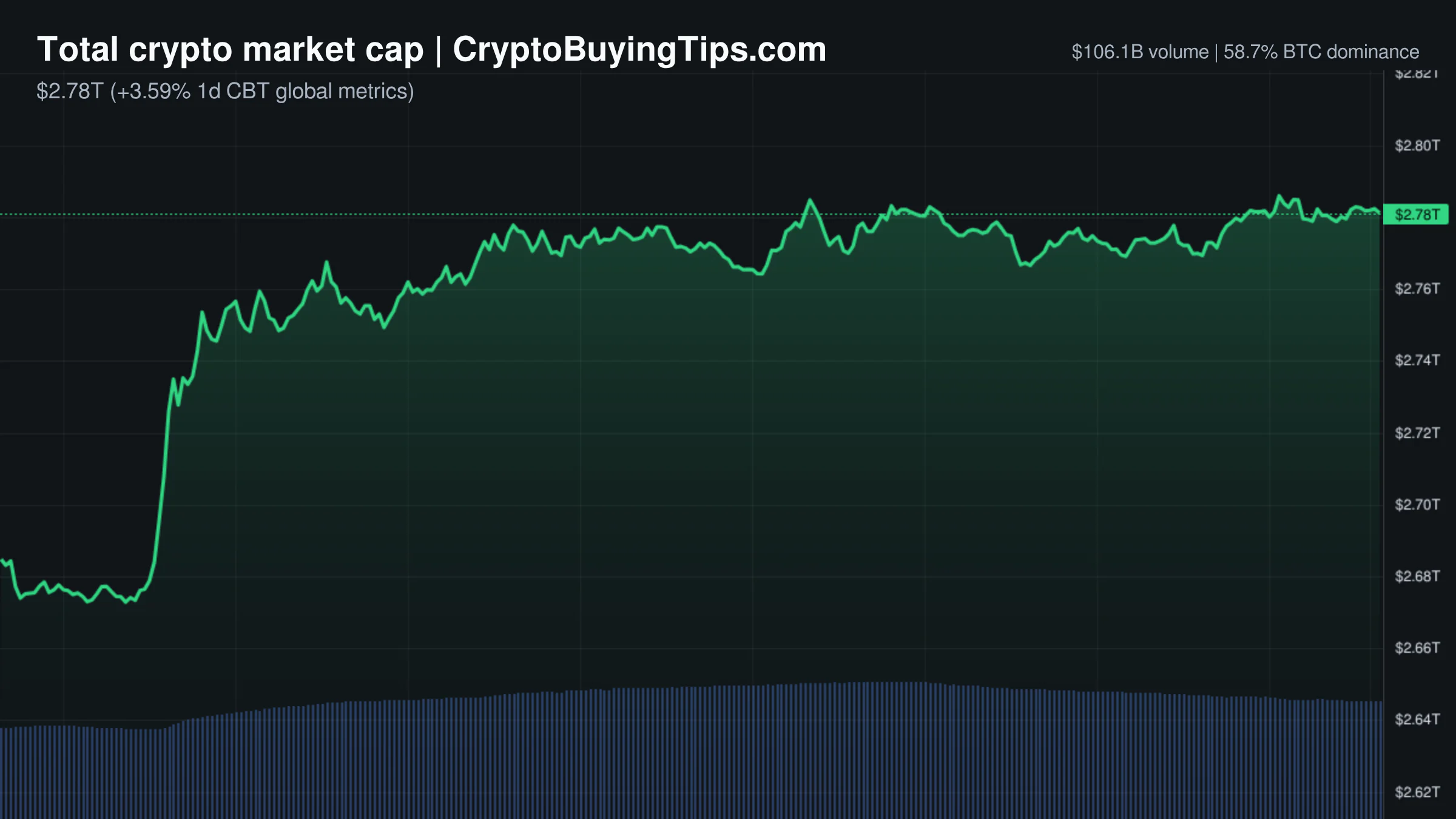
Crypto Market Overview | Leveraged bets drive gains amid diverging us regulatory paths | September 19, 2026
Leveraged bets drive crypto gains amid diverging us regulatory paths; see our market overview on BTC, ETH, and macro…

The market is trading $1 trillion in leverage and it is a problem
The market is trading $1 trillion in leverage and it is a problem. The sheer disparity between spot volume ($112.74B)…
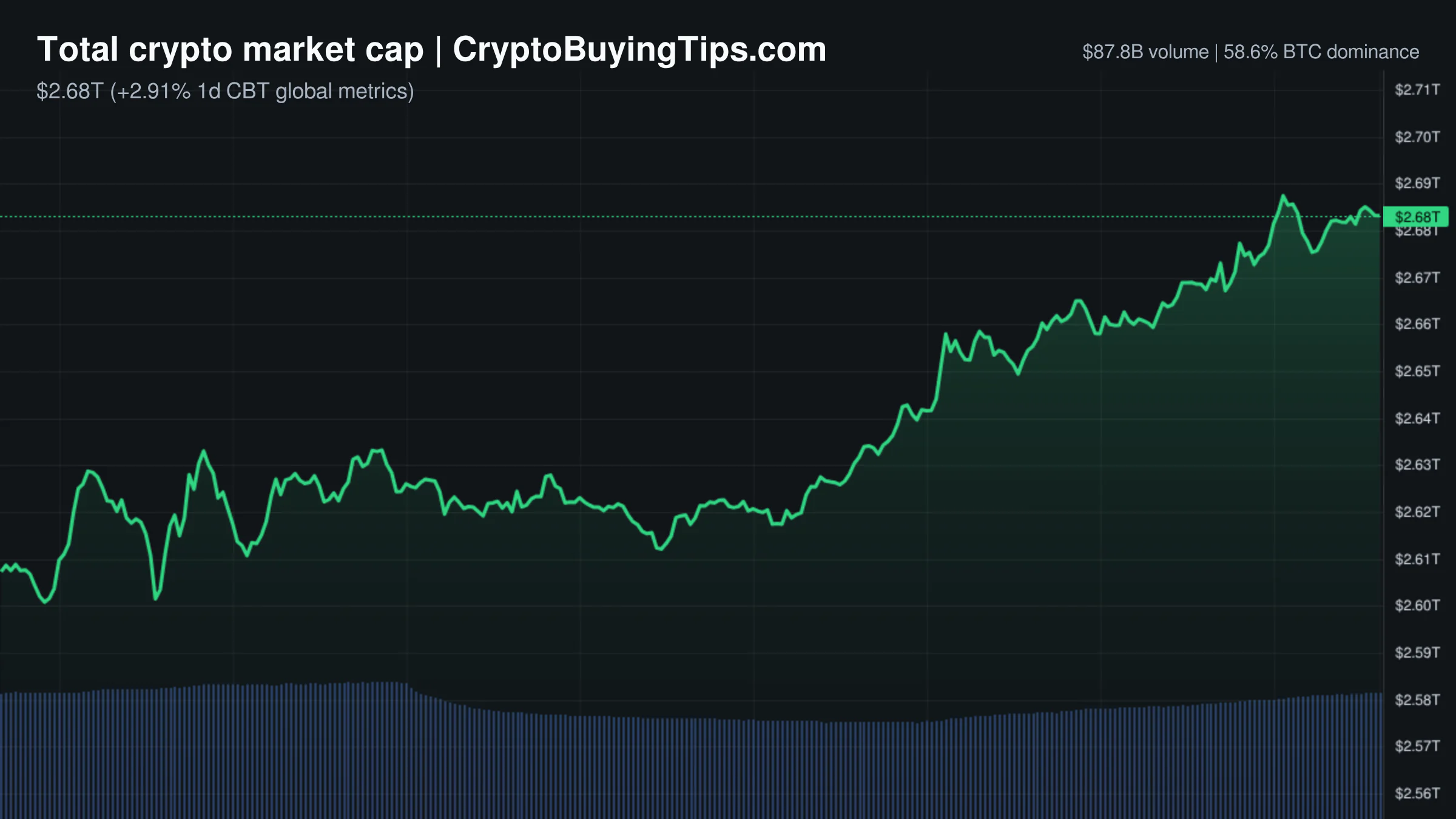
Crypto Market Overview | Leveraged bets dominate as regulatory shifts clash with geopolitical friction | September 18, 2026
The total market cap sits at $2.70T as leveraged bets dominate; see our read on crypto's regulatory clashes and…
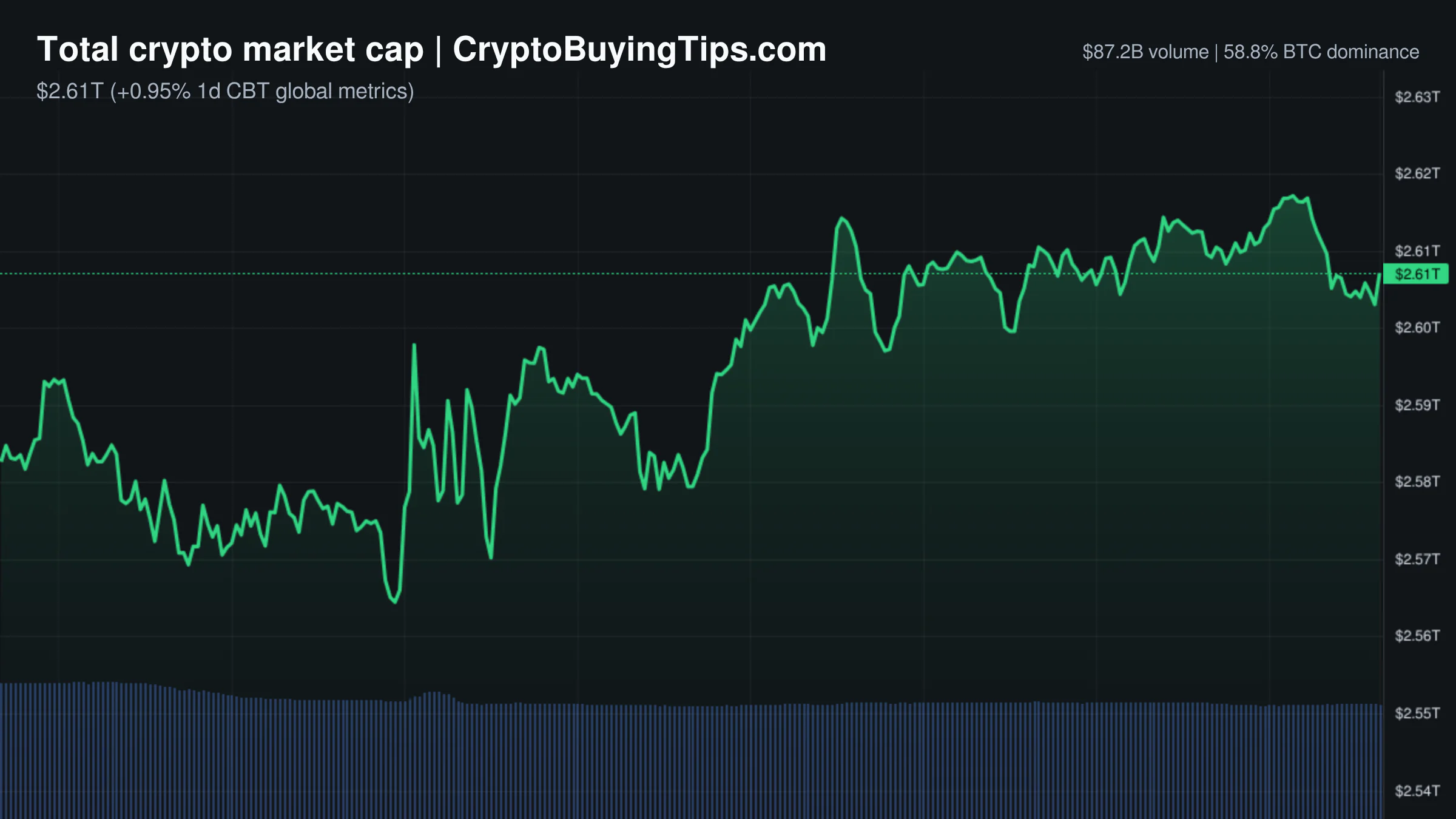
Crypto Market Overview | Fed rate hikes meet derivatives volume despite spot outflows and ETF redemptions | September 17, 2026
Fed rate hikes meet derivatives volume despite spot outflows and ETF redemptions Crypto market overview analysis for…