

Ethereum gas is practically free. Here is why that is not necessarily good news.
The market has seen ETH gas fees dip as low as 0.06 to 0.11 Gwei, prompting many people to ask why are ethereum gas fees so low. For anyone who remembers the 2021 NFT craze, where a single mint could cost more than a decent dinner, this feels like a gift. But in the world of on-chain metrics, a bargain usually suggests a lack of buyers. We previously covered Ethereum gas fees analysis for more background.
What do low gas fees actually mean for Ethereum?
Our live market metrics feed shows ETH gas at an exceptionally low 0.06 to 0.11 Gwei. In plain English, this means the "World Computer" is currently idling. Gas is the cost of computational effort on the network. When fees are this low, it tells us there is very little competition for block space.
This can mask underlying network health or just signal a temporary lull in activity. It is the digital equivalent of a ghost town, which is great for the few people living there but worrying for the mayor. If the network is designed to be the global settlement layer for the internet, having no one fight for a spot in the next block is a bit of a problem.
How does understanding why are ethereum gas fees so low help investors?
Gas fees are a direct measure of computational resource competition. When they are cheap, it usually means fewer people are competing for block space right now. A lot of this is due to the shift toward Layer 2 solutions like Arbitrum or Base, which process transactions off-chain to keep costs down (nftevening.com). While this is the intended goal of scaling, it leaves the mainnet feeling empty.
We've seen ETH dominance sitting between 9.80% and 9.81%, and our news scoring system rated the shift in institutional stablecoin adoption 7/10 for liquidity impact. The reality is that while the corporate makeover of Ethereum looks polished, the actual on-chain utility of the main chain is struggling to find a reason to exist beyond being a settlement layer for L2s.
When you see gas prices drop, you are seeing a drop in immediate demand for the network's most limited resource: block space. If that demand stays low while the price of the token is pushed up by ETFs or institutional hype, the gap between the token's value and its actual utility grows.
The broader market and the gas price connection
We have to look beyond just ETH to see if capital is moving elsewhere. General risk appetite usually dictates network usage. Right now, there is a strange gap in the data. Our signal scanner flagged a divergence between the Fear sentiment, which sits at 27, and the positive 24h movement in total market cap.
Usually, "Fear" means people are huddling in stables or exiting. But here, the market cap is ticking up while the network remains quiet. It suggests a market driven by high-leverage derivatives rather than actual on-chain utility. If people are just betting on the price of the token without actually using the network, the "World Computer" is basically just a very expensive database for a few whales.
The lack of congestion is a symptom of a market that is currently more interested in the price of the asset than the function of the protocol. This is a common cycle in crypto, but it is a reminder that "cheap" is only a benefit if you are the one paying the fee. For the network's long-term thesis, expensive gas is actually a sign of a product people are desperate to use.
The takeaway is simple: don't confuse a cheap transaction with a healthy network. Transaction volume, or the amount of money moving, is different from gas fees, which is the cost to move it. You can have billions moving in a few whale transfers while gas remains at rock bottom because there are no retail users fighting for space.
We previously covered how these Ethereum gas costs explained can be misleading. For now, the low fees are a gift for anyone needing to move assets, but a warning sign for those betting on a return to the mainnet summer of 2021.
Related Tickers
Some links in this article may be affiliate links. We may earn a commission at no extra cost to you — this never influences our analysis or coverage.

Sigrid Voss
Crypto analyst and writer covering market trends, trading strategies, and blockchain technology.
More Articles

Why 0.04 Gwei gas is a red flag for Ethereum
The quiet gas fees suggest nothing about underlying utility demand; meanwhile, $566B in derivatives volume points…
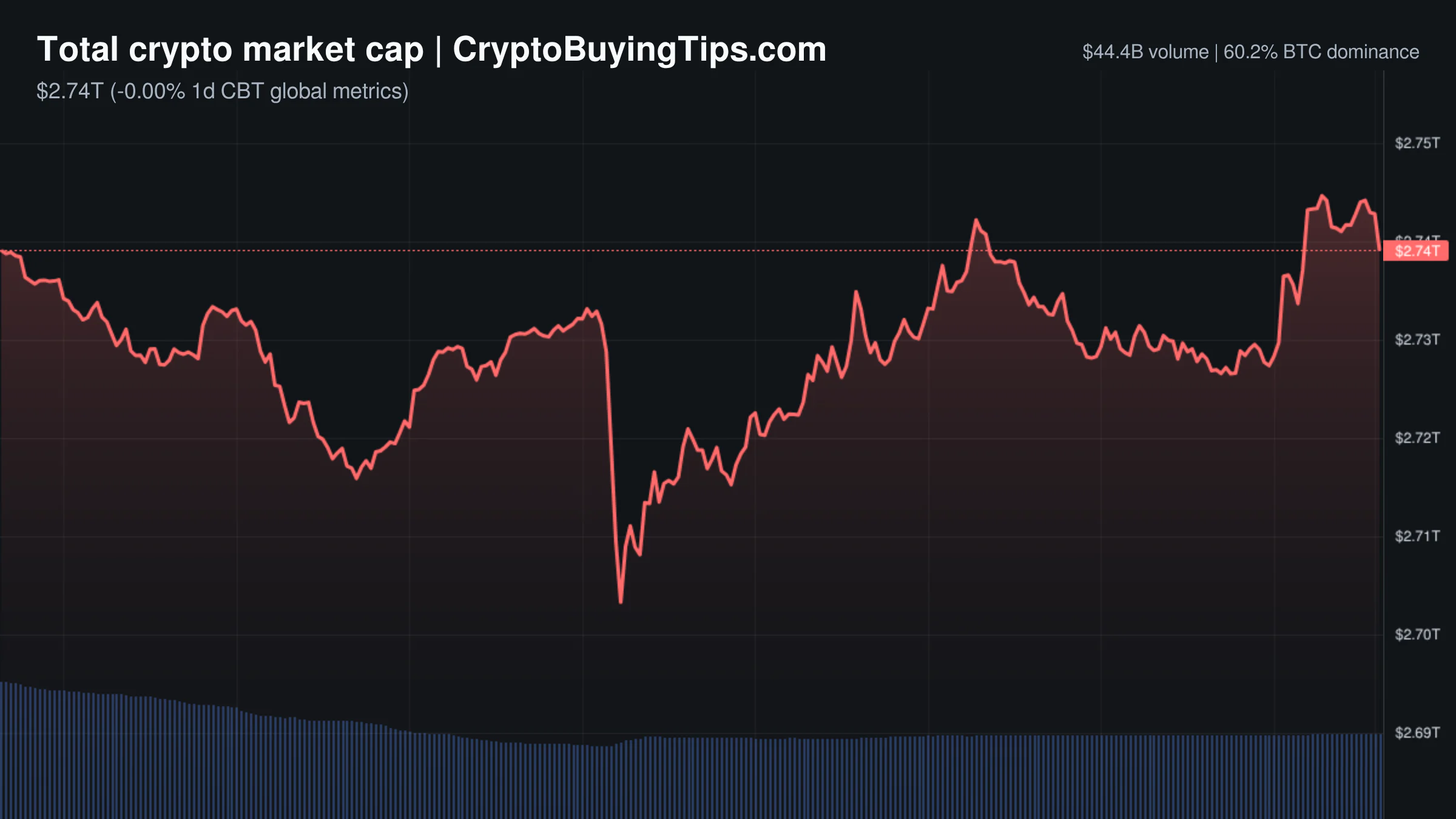
Crypto Market Overview | Bitcoin dominance climbs while altcoins struggle amid institutional friction | October 18, 2026
Bitcoin dominance climbs to 60.1% while altcoins struggle amid institutional friction; see our market overview for…

6 million Bitcoin are quantum-exposed. Here is what that actually means
Six million Bitcoin are sitting in addresses that could be vulnerable to quantum attacks. The risk isn't theoretical; it…
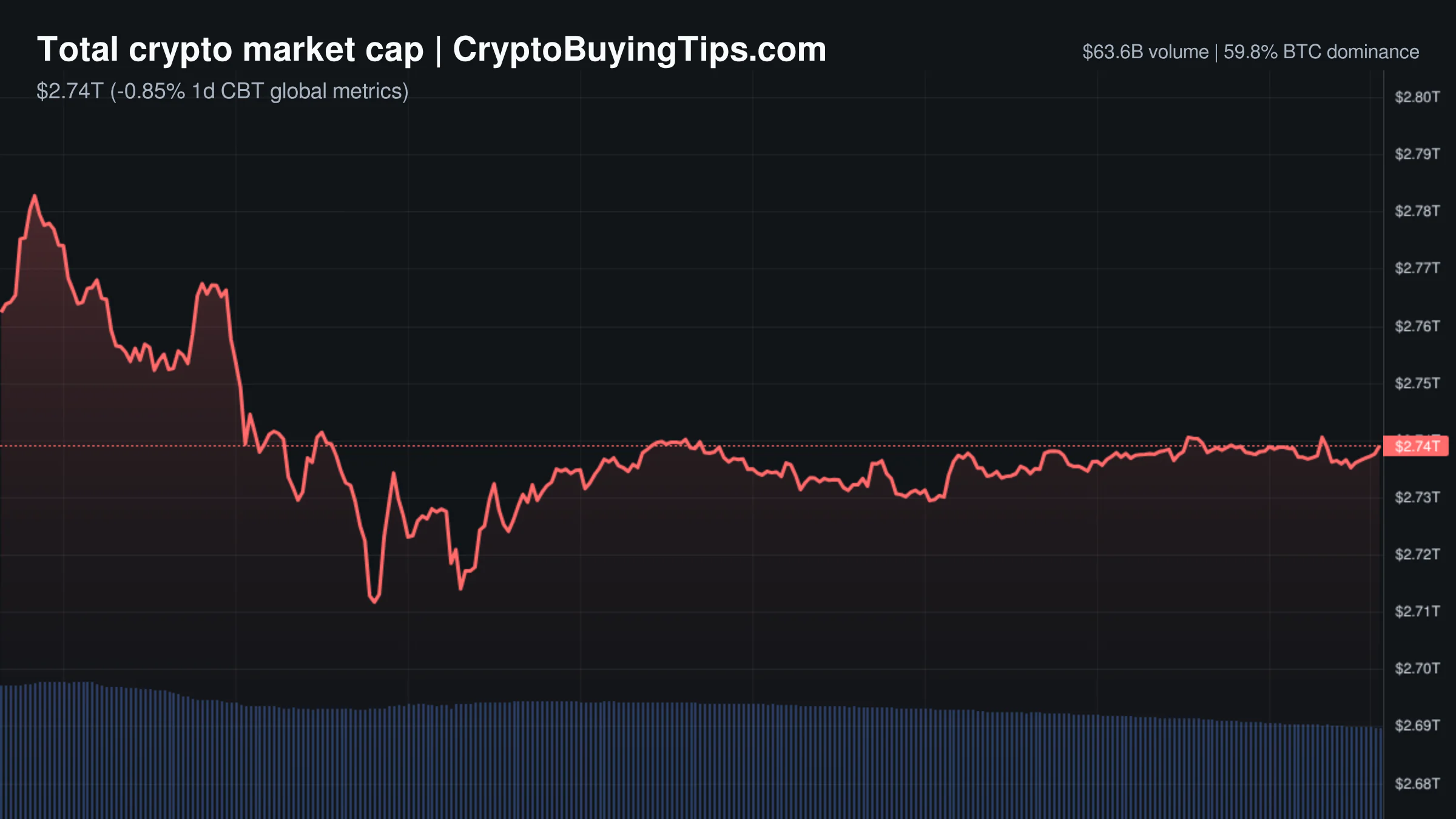
Crypto Market Overview | volume collapse amid macro pressure weighs on institutional flows | October 17, 2026
Market overview shows volume collapse amid macro pressure weighing on institutional flows; see how crypto is reacting to…