

UBS quadruples its bitcoin bet while retail panics
The market is reporting a Fear & Greed Index of 38, yet Bitcoin dominance has ticked up by +0.09%. It is a classic crypto contradiction. While retail traders are checking their portfolios with a sense of impending doom, the actual movement of money suggests a different story. This leads to the question: why is bitcoin dominance increasing while everyone seems to be panicking? We previously covered Ethereum market share vanishes for more background.
The short answer: why is bitcoin dominance increasing?
Bitcoin dominance is currently sitting at 58.50%. When this number rises while sentiment reads as "Fear", it usually means capital is rotating out of riskier assets and back into Bitcoin. In times of uncertainty, investors treat Bitcoin as a safe haven relative to the rest of the crypto market. Our news scoring system rated the current trend of TradFi adoption 9/10 for macro impact, suggesting this isn't just a temporary blip but a structural shift in how money enters the space.
How the rotation actually works
Most retail traders treat the crypto market as a single block. They see "crypto" go down and they sell everything. Institutional players, however, view Bitcoin as a distinct asset class. While retail investors are fleeing, giants like UBS and BlackRock are increasing their exposure.
This shift is highlighted by a recent report noting that the "long bitcoin, short the bankers" era is officially over. Our news scoring system rated that story 7/10 for novelty. For years, the narrative was that Bitcoin existed to destroy the banks. Now, the banks are simply absorbing Bitcoin into their balance sheets.
This creates a structural floor for the price. When large institutions buy through ETFs or direct treasury holdings, they aren't looking for a 10x return on a meme coin over the weekend. They are diversifying multi-asset portfolios [ssga.com]. Because these inflows are concentrated in Bitcoin and not spread across the altcoin market, Bitcoin's share of the total market cap grows. We previously covered how Bitcoin dominance at 59% signals a period where liquidity consolidates around the primary asset rather than flowing into riskier plays.
Where people get tripped up
The biggest mistake traders make is trusting the sentiment index over the dominance metric. A Fear & Greed score of 38/100 tells you how people feel, but BTC dominance tells you what they are doing with their money.
There is a specific pattern to how retail and institutional money behaves during a drawdown. Retail traders typically sell their altcoins first because those positions carry the most volatility and pain [phemex.com]. They panic and move into stablecoins or cash. Meanwhile, institutional allocators often maintain or increase their Bitcoin positions because it has the deepest liquidity and the clearest regulatory status [phemex.com].
This creates a divergence. You see a "Fear" headline and a crashing altcoin market, but Bitcoin dominance continues to climb. The "smart money" isn't necessarily predicting a moonshot tomorrow; they are simply refusing to panic while the retail crowd does the heavy lifting of selling their bags.
Putting it into practice
If you are watching the market right now, the data suggests that chasing altcoin "bottoms" during a dominance spike is a dangerous game. When Bitcoin dominance rises amid fear, it means the market is in a defensive posture. Capital is prioritizing safety over growth.
The practical takeaway is to monitor the gap between sentiment and dominance. If Fear remains high but dominance continues to tick up, it is a sign that institutional accumulation is overriding retail panic. This often precedes a period of stability where Bitcoin leads the recovery and altcoins lag behind.
Until we see a genuine rotation where dominance peaks and begins to fall, the safest bet is usually the one the big banks are making. It is a bit ironic that the asset designed to bypass the banking system is now being propped up by it, but the data doesn't care about the irony. It only cares about where the liquidity is flowing.
Related Tickers
Some links in this article may be affiliate links. We may earn a commission at no extra cost to you — this never influences our analysis or coverage.

Sigrid Voss
Crypto analyst and writer covering market trends, trading strategies, and blockchain technology.
More Articles
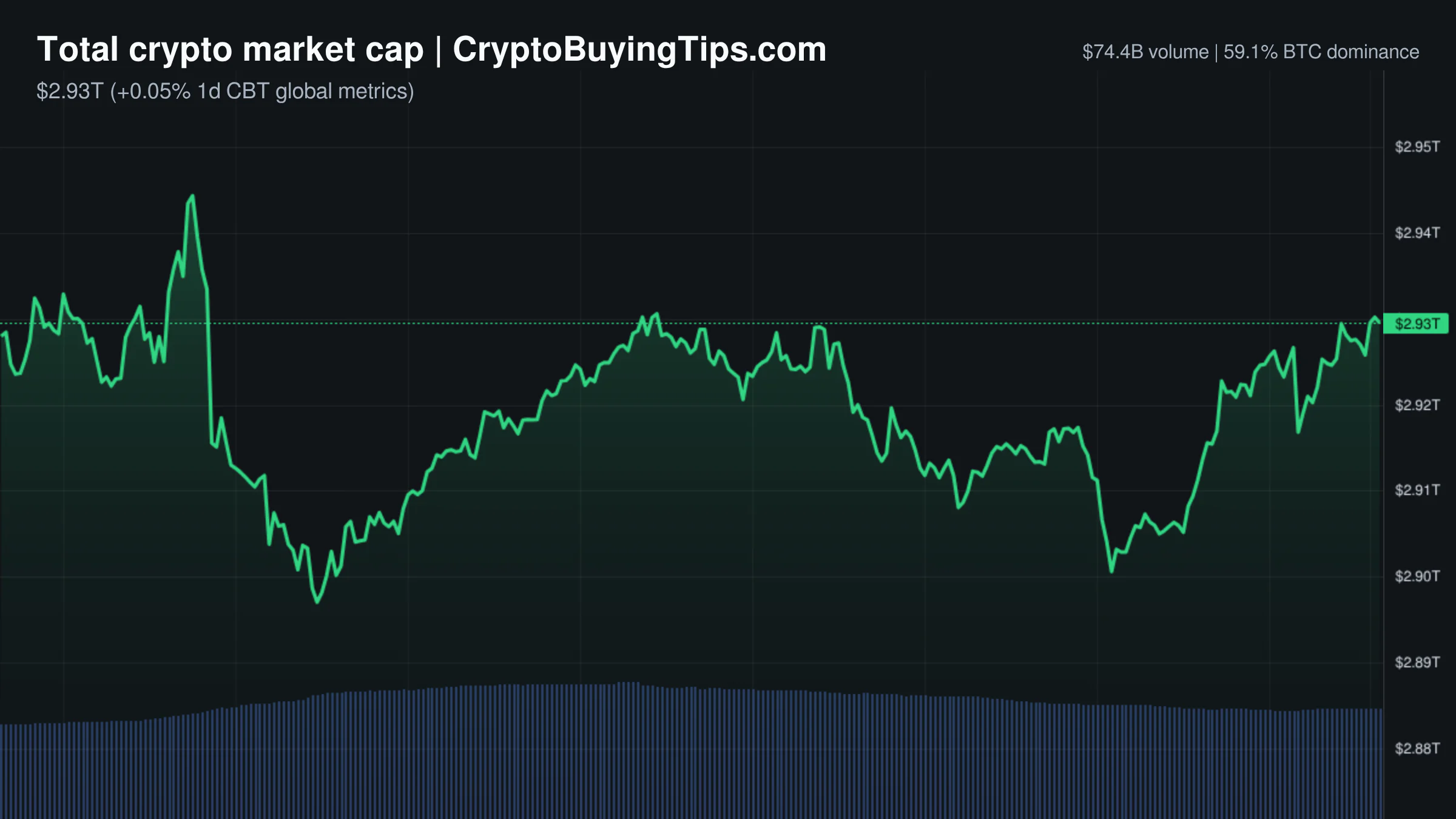
Crypto Market Overview | Leveraged derivatives volume dwarfs spot trading amid institutional infrastructure developments | October 6, 2026
Leveraged derivatives volume dwarfs spot trading at $2.93T market cap; see how institutional infrastructure developments…

Solana just tried to fire the clearinghouses
Another day, another attempt to make old banking rails look quaint. Solana’s Delivery-versus-Payment (DvP) rail is less…
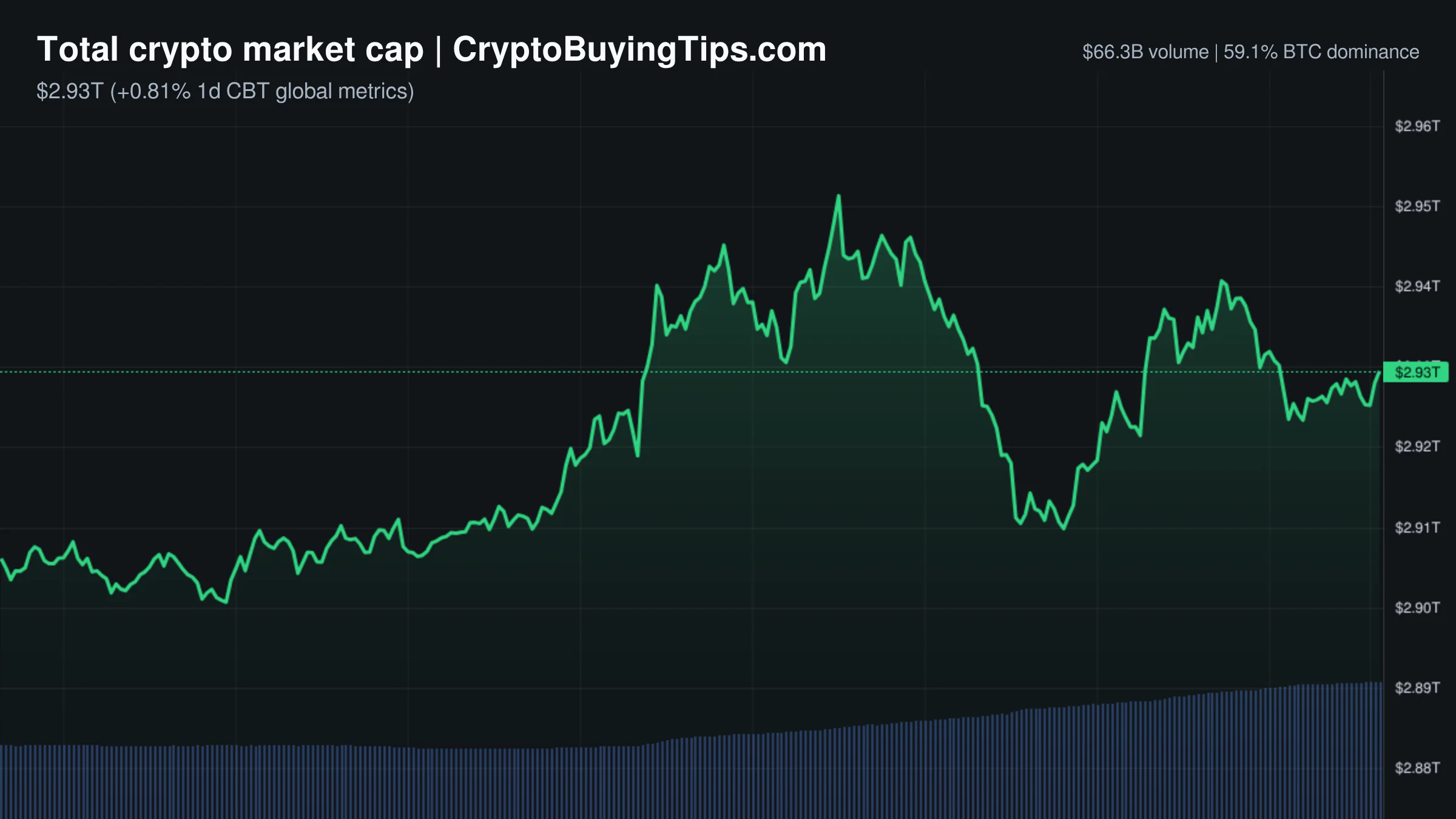
Crypto Market Overview | Speculative leverage dwarfs spot activity as bitcoin leads the market | October 5, 2026
Speculative leverage dwarfs spot activity as bitcoin leads the market overview; see how derivatives volume drives…

FET rips 13% as the market bets on the new AI czar
The AI narrative continues to drive capital flow regardless of policy nuance; FET jumped over 13 percent on news linking…