

Solana just tried to fire the clearinghouses
A 40.05% surge in stablecoin volume signals that liquidity is moving into positions, which changes how we view what is solana dvp settlement. While most of the internet is treating the launch of Solana's Delivery-versus-Payment (DvP) rail as a simple PR win, we see it as a structural attack on the legacy clearinghouse monopoly. We previously covered Solana ETF milestone distraction for more background.
The need for alternative clearing rails
Most people don't think about settlement until their money is stuck in a T+2 limbo. In traditional finance, when you buy a security, the asset and the cash don't actually swap instantly. They move through a chain of custodians and clearinghouses over one or two days. This creates counterparty risk, which is just a polite way of saying one side might go bust before the trade finishes.
Our news scoring system rated this story 9/10 for liquidity impact because this is where the real friction lives. When you are dealing with a total market cap for all cryptos excluding Bitcoin of 1204597543459.7646, the need for rails that don't rely on a 1970s ledger is obvious. The existing infrastructure is slow, expensive, and relies on a few massive intermediaries to guarantee that trades actually happen. This creates a clear market opening for a protocol that can handle the settlement itself.
What is solana dvp settlement?
It is an open-source escrow program that lets financial institutions swap assets and payments simultaneously on-chain. Instead of waiting days for a clearinghouse to verify the trade, the swap happens in seconds.
The mechanics are based on atomic settlement. In a standard trade, you send the asset and hope the cash arrives. In an atomic transaction, both legs of the trade settle together or neither does. There is no state where you have sent your tokens but the buyer has vanished. This removes the counterparty risk that traditional banks find mildly distressing.
Solana's performance as a venue for tokenized assets makes this possible. While Bitcoin dominance remains high at 58.676114725016205, the infrastructure being built on Solana is designed for the type of high-frequency, institutional movement that Bitcoin's base layer is not meant for. By creating a standardized API, Solana is providing a reusable rail that banks can plug into without building their own custom software from scratch.
Where people get tripped up
The common mistake is thinking this is just another "institutional partnership" headline because J.P. Morgan provided input. It is not. This is a plumbing upgrade.
Until now, institutional trades on-chain usually relied on bespoke smart contracts. These are basically expensive, custom-built silos that don't talk to each other. If Bank A and Bank B both have their own custom settlement contracts, they still have to spend time and resources coordinating the trade.
Solana DvP replaces those silos with one standard. The value is not in the "partnership" but in the standardization. When everyone uses the same rail, the cost of doing business drops and the speed of capital movement increases. We previously covered a Solana vs bitcoin comparison where institutional capital shifted toward Solana for exactly this reason: efficiency and throughput.
Capital chasing efficiency
The timing of this launch is interesting. Our news scoring system again flagged the 9/10 liquidity impact because of the current market activity. We are seeing a 40.05% spike in stablecoin volume. That is not retail traders buying memecoins. That is capital repositioning.
When liquidity moves at this scale, the bottleneck is not the price; it is the settlement. If you are moving billions, you don't want to wait two days for a clearinghouse to tell you the trade is final. You want it final in seconds. The surge in stablecoin volume suggests that capital is actively seeking these more efficient settlement pathways. The infrastructure is being built exactly as the capital begins to move.
The bottom line
The real win here is not the PR from a big bank. The win is the creation of an open-source standard. By making this an API, Solana is trying to become the default clearinghouse for the entire tokenized asset market.
If they succeed, the traditional clearinghouse monopoly does not just shrink. It becomes irrelevant. The risk, of course, is that institutions might prefer their own walled gardens over a public rail, but the data on stablecoin volume suggests the appetite for speed is winning. We are watching to see if other major banks adopt the standard or if they try to build their own versions of the same thing.
Related Tickers
Some links in this article may be affiliate links. We may earn a commission at no extra cost to you — this never influences our analysis or coverage.

Sigrid Voss
Crypto analyst and writer covering market trends, trading strategies, and blockchain technology.
More Articles
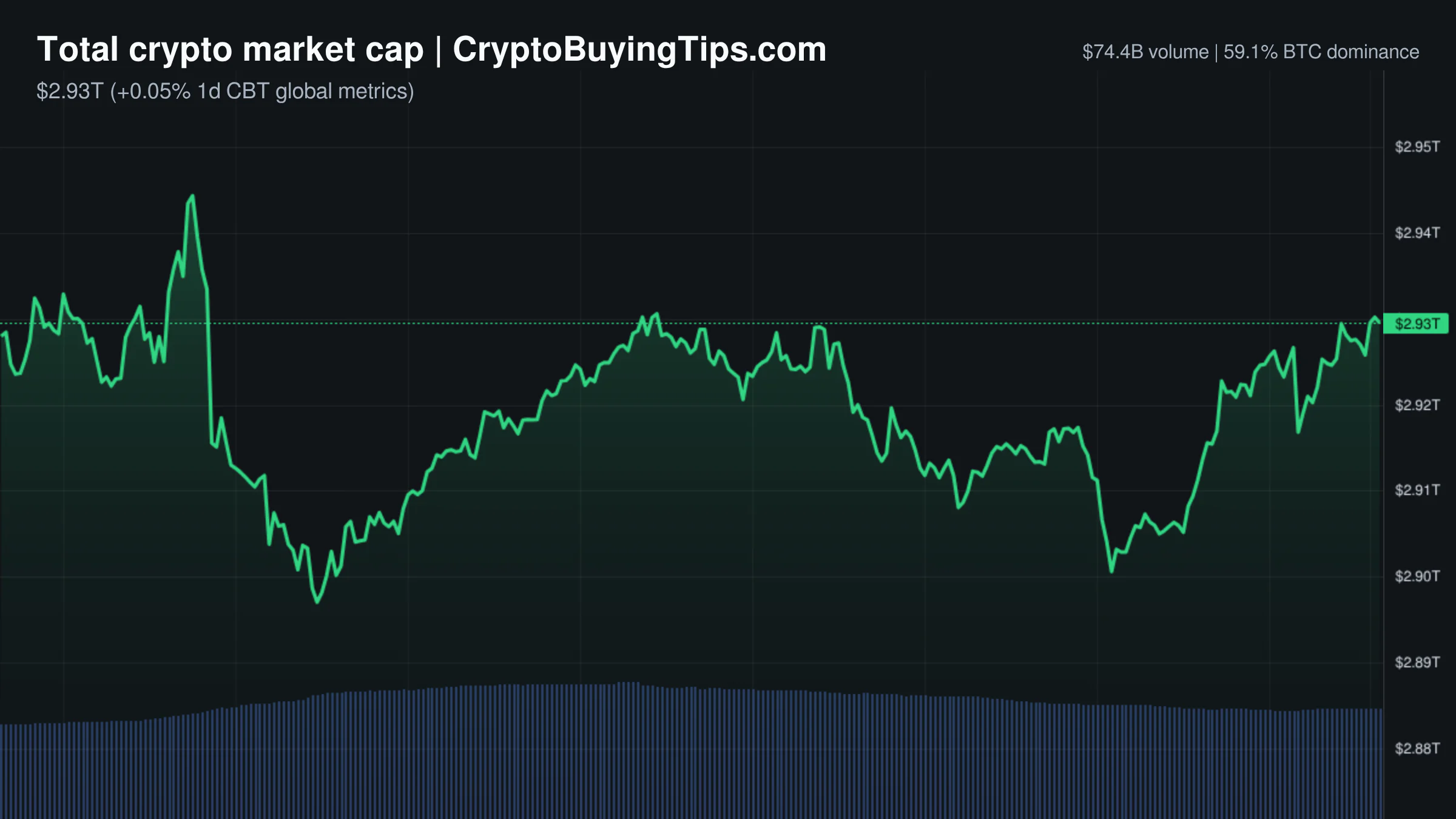
Crypto Market Overview | Leveraged derivatives volume dwarfs spot trading amid institutional infrastructure developments | October 6, 2026
Leveraged derivatives volume dwarfs spot trading at $2.93T market cap; see how institutional infrastructure developments…
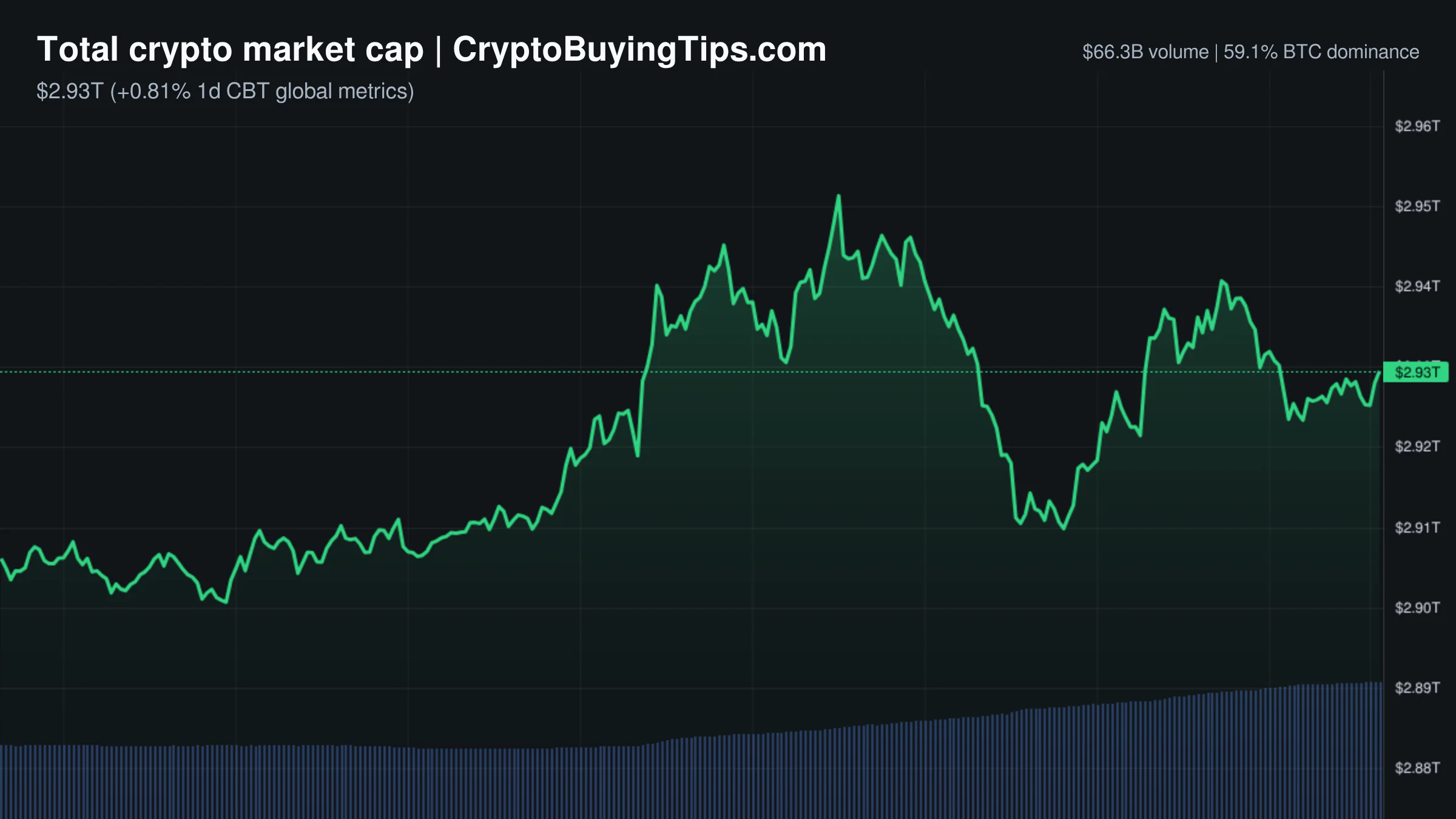
Crypto Market Overview | Speculative leverage dwarfs spot activity as bitcoin leads the market | October 5, 2026
Speculative leverage dwarfs spot activity as bitcoin leads the market overview; see how derivatives volume drives…

FET rips 13% as the market bets on the new AI czar
The AI narrative continues to drive capital flow regardless of policy nuance; FET jumped over 13 percent on news linking…
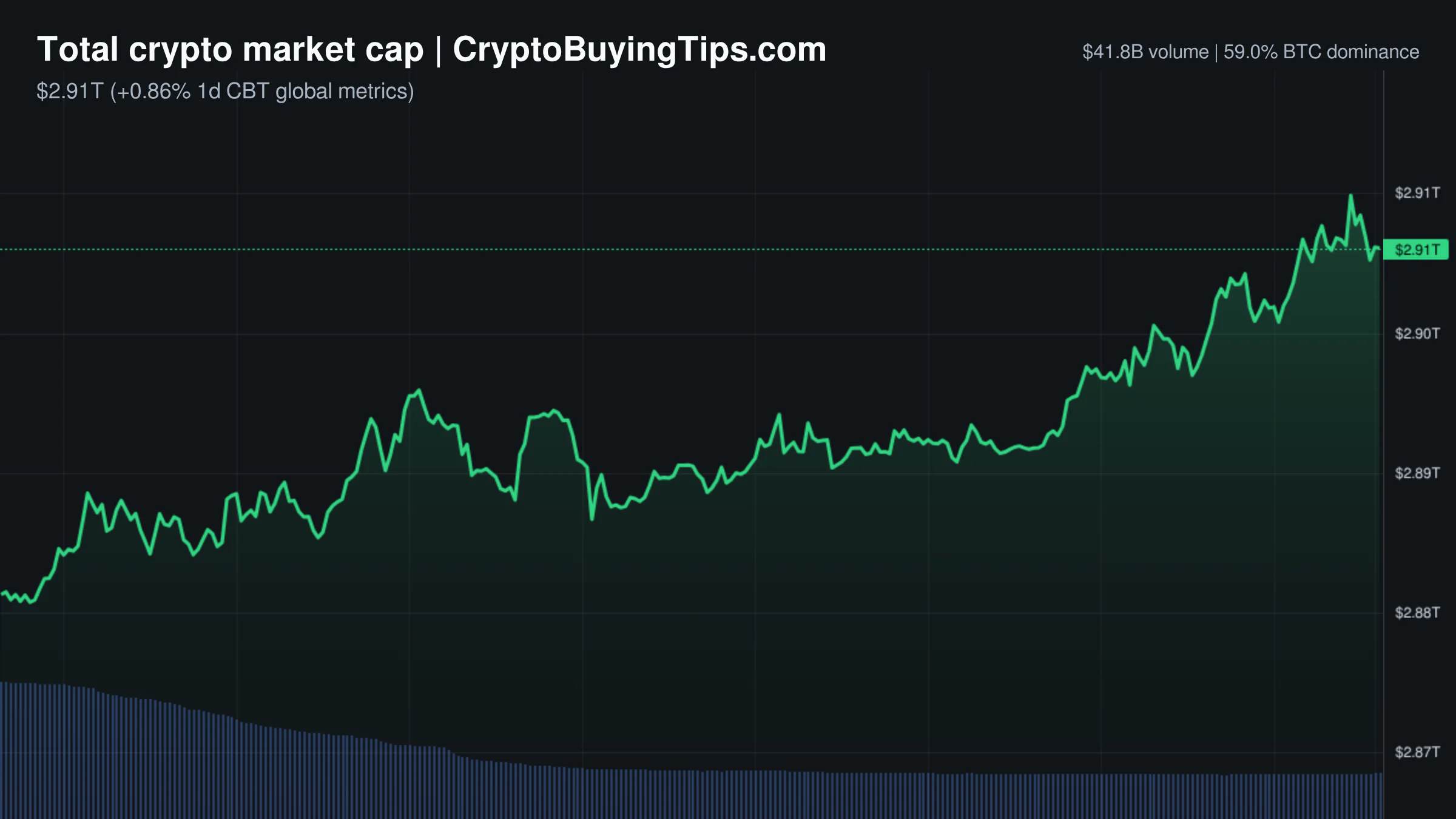
Crypto Market Overview | price stability masks collapsing trading volumes and low on-chain activity | October 4, 2026
Price stability masks collapsing trading volumes and low on-chain activity, suggesting conviction is lacking despite…