

Solana's $1B ETF milestone is a lovely distraction from the whale shorts
The recent narrative of massive institutional capital flowing into Bitcoin ETFs seems to be masking a more nuanced, perhaps bearish, bet on specific altcoins. On the surface, the mood is celebratory. The Bitwise Solana ETF hitting $1B in assets under management is the kind of headline that makes retail traders feel safe. But when we look at the derivatives tape, the picture changes. The gap between institutional AUM and actual trader positioning leads us to ask why are whales shorting solana while the headlines are so positive. We previously covered Solana vs bitcoin allocation for more background.
Understanding the divergence between ETF flows and whale positioning
There is a fundamental difference between a pension fund buying a spot ETF and a professional derivatives trader opening a leveraged short. The former is often a slow, programmatic allocation to a sector. The latter is a directional bet on a price drop.
We are seeing this play out in real time. While spot BTC ETF inflows suggest institutional money is entering the market structure, our proprietary tracking shows that major players are actively taking short positions on SOL. For context, spot Bitcoin ETFs pulled in $242.3 million on Thursday, showing that the broad appetite for crypto remains. But that broad appetite does not always translate to a "buy everything" mentality for altcoins.
Our Hyperliquid leaderboard tracker shows a top trader with 139.1% all-time ROI is currently short SOL. This isn't a random bet from a beginner. This is a trader with a proven track record of winning who has decided that Solana is currently overpriced or headed for a correction. When the "smart money" on the leaderboard starts fading the ETF hype, we tend to pay more attention to the shorts than the AUM milestones.
What the data suggests about Solana's current risk profile
A $1B AUM milestone is a fantastic metric for a marketing brochure, but it can also create a liquidity ceiling. The contrast between high ETF inflows and aggressive, visible shorting activity on a specific asset like SOL points to internal profit-taking or anticipation of structural weakness.
The trader we are tracking on Hyperliquid has an all-time PnL of $264.6K and a consistent ROI of 139.1%. They entered their short at 114.88. This suggests that while the crowd is buying the "institutional adoption" narrative, someone with a very successful track record thinks the top is in for now.
Our news scoring system rated this story 8/10 for novelty because it exposes a disconnect that most news sites ignore. Most outlets just report the inflow numbers. They don't check if the top traders are actually hedging those inflows with massive short positions. We previously covered SOL ETFs filing details when the market was in fear, but the risk has shifted. It is no longer about whether the ETFs will be approved or launched; it is about whether the "buy the rumor" phase has finally exhausted itself.
How does why are whales shorting solana work?
To understand this divergence, we have to look past aggregated metrics. The data suggests that large, sophisticated traders are making directional bets against SOL despite positive sector-wide sentiment.
This usually happens because of a decoupling between macro inflows and micro positioning. Bitcoin often acts as the primary vacuum for institutional capital. The market metrics we track put BTC dominance at 58.932020809679464. When Bitcoin dominance is this high, it means capital is concentrating in the flagship asset, and altcoins are often used as funding sources or hedges.
Whales often short an asset into a positive news event. This is a classic "sell the news" strategy. While the public celebrates the $1B ETF milestone, the whales use that liquidity to exit their long positions or open shorts without moving the price too violently against themselves. They are essentially using the ETF-driven buying pressure as an exit ramp.
The risk here is that ETF inflows might be insufficient to offset large derivative shorts if the macro environment shifts. If the broader market turns, the "institutional floor" provided by ETFs can be surprisingly thin. We have seen this before where a steady stream of ETF buys is completely overwhelmed by a few high-conviction whales deciding to flush the market.
Our read is that the market is currently in a state of fragile optimism. The Fear & Greed Index sits at 76, which is firmly in Greed territory. Historically, when retail is this greedy and the top-tier traders on our leaderboard are shorting, the outcome is rarely a moon mission.
The institutional money is certainly here, but it is not a monolith. There is a war happening between the long-term holders in the ETFs and the tactical whales in the derivatives market. Right now, the whales are betting that the ETF hype has already been priced in.
Related Tickers
Some links in this article may be affiliate links. We may earn a commission at no extra cost to you — this never influences our analysis or coverage.

Sigrid Voss
Crypto analyst and writer covering market trends, trading strategies, and blockchain technology.
More Articles
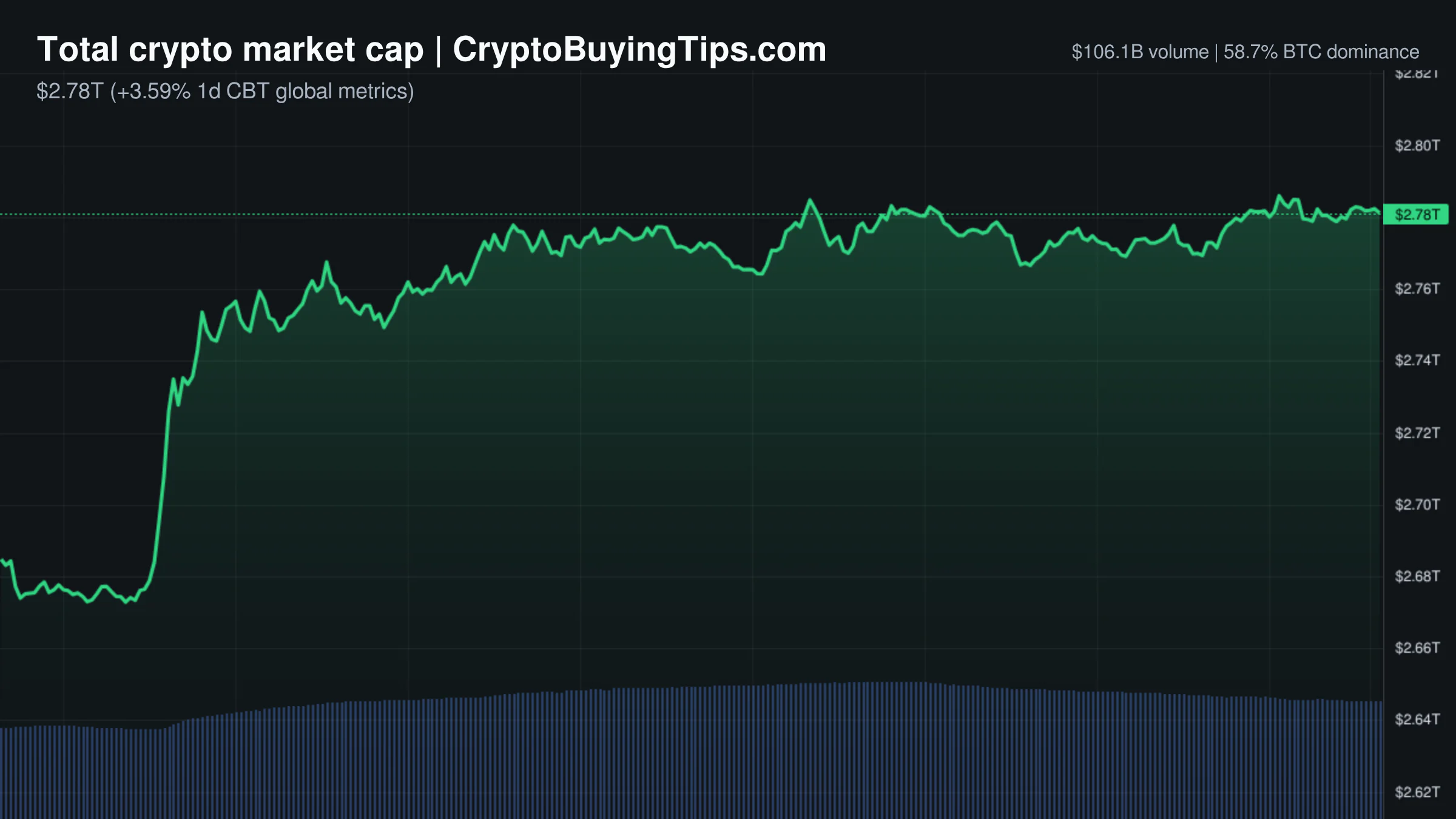
Crypto Market Overview | Leveraged bets drive gains amid diverging us regulatory paths | September 19, 2026
Leveraged bets drive crypto gains amid diverging us regulatory paths; see our market overview on BTC, ETH, and macro…

The market is trading $1 trillion in leverage and it is a problem
The market is trading $1 trillion in leverage and it is a problem. The sheer disparity between spot volume ($112.74B)…
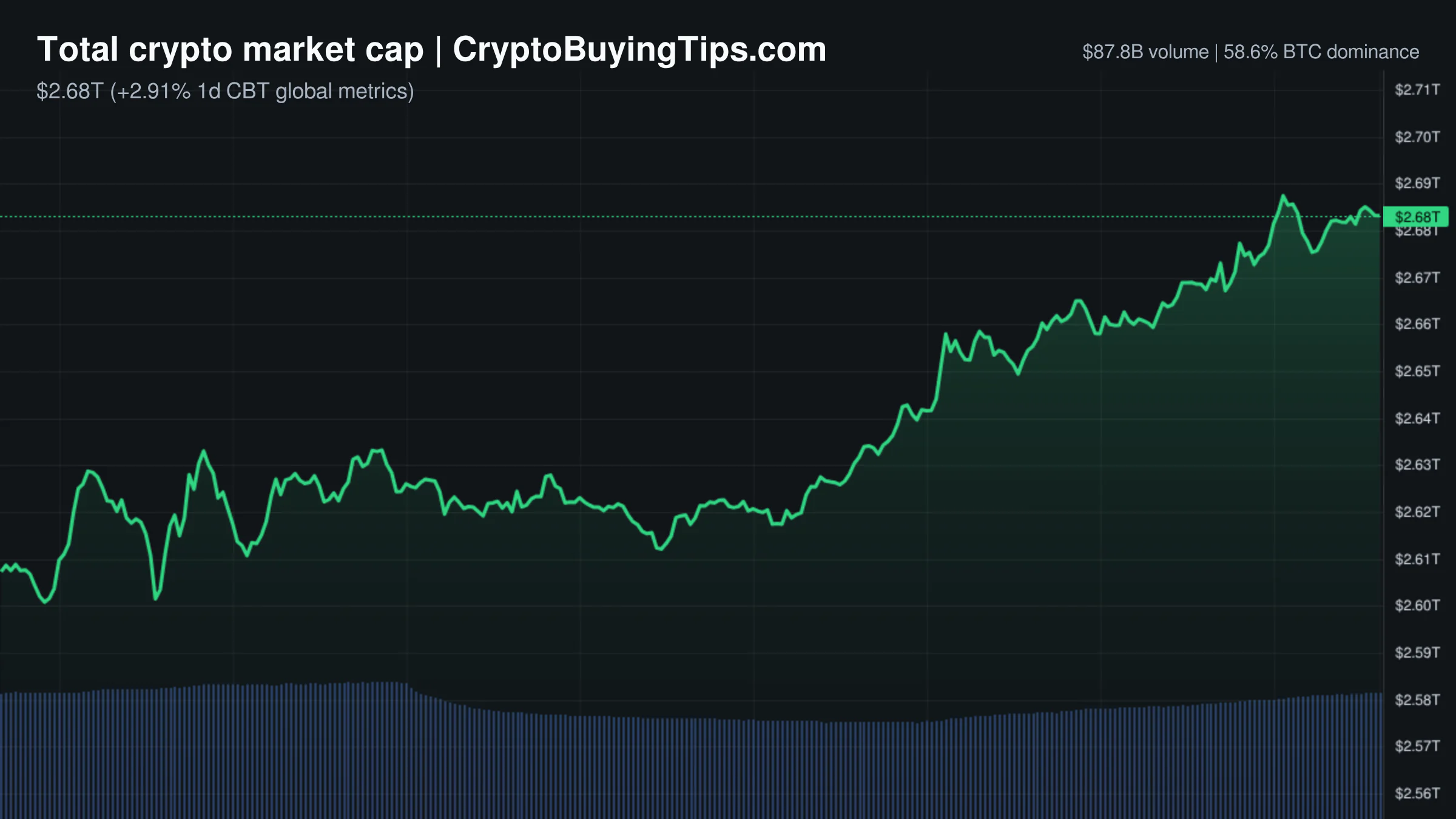
Crypto Market Overview | Leveraged bets dominate as regulatory shifts clash with geopolitical friction | September 18, 2026
The total market cap sits at $2.70T as leveraged bets dominate; see our read on crypto's regulatory clashes and…
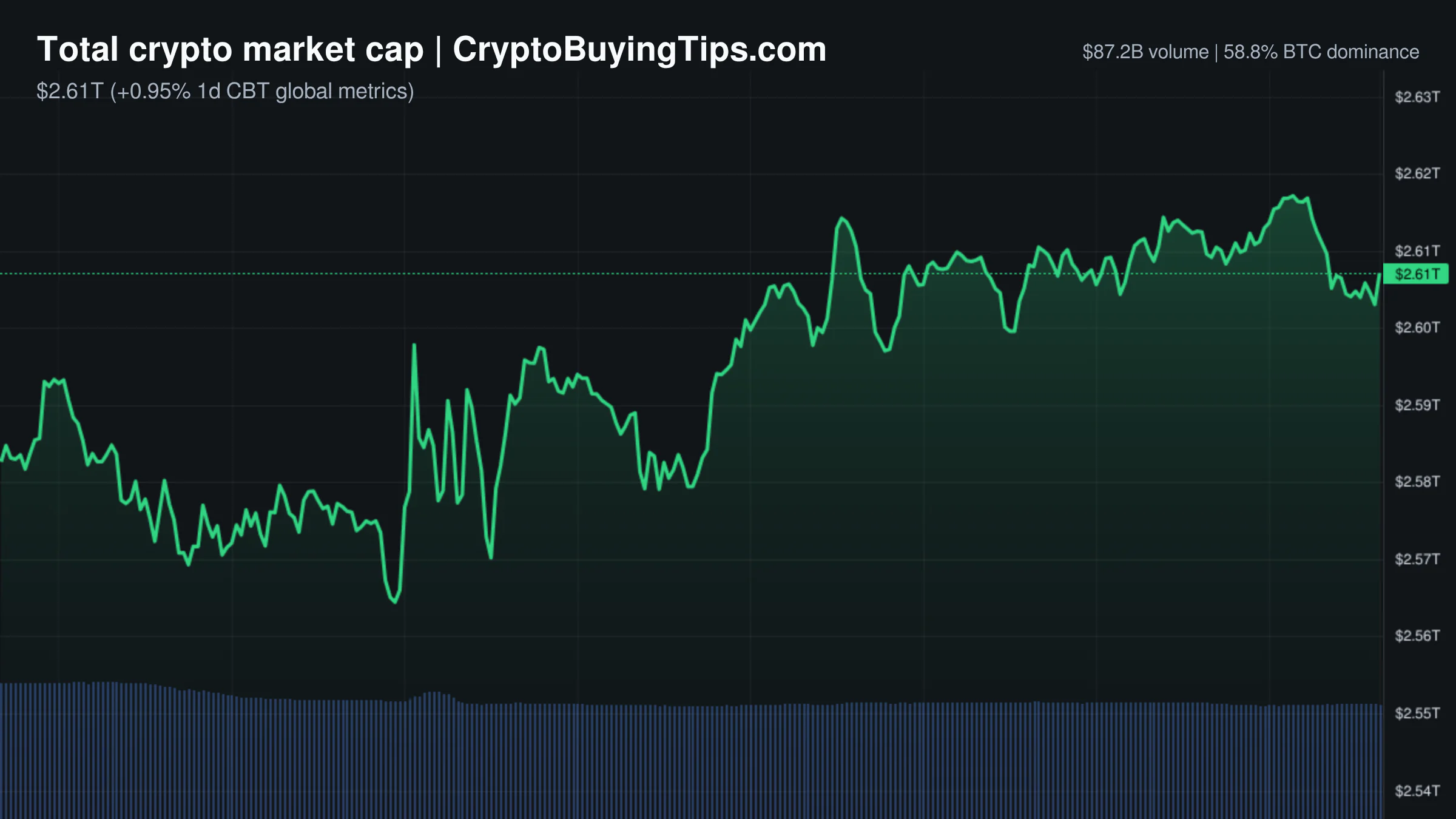
Crypto Market Overview | Fed rate hikes meet derivatives volume despite spot outflows and ETF redemptions | September 17, 2026
Fed rate hikes meet derivatives volume despite spot outflows and ETF redemptions Crypto market overview analysis for…