

Europe is centralizing crypto supervision and it is a bad sign for decentralization

The European Central Bank is pushing to centralize crypto supervision under the European Securities and Markets Authority (ESMA) in Paris. This is not just a bureaucratic shuffle. It is a move to bring the "wild west" of digital assets under a single, state-led umbrella. For most people, the immediate question is how does MiCA affect crypto users in the long run. I think the answer is that we are trading the freedom of DeFi for a sanitized, corporate version of crypto that looks more like a digital bank than a revolution.
What is actually happening
The EU is moving toward a model where ESMA will have direct oversight of "significant" crypto asset service providers. Instead of letting individual member states handle the details, the EU wants a centralized kill switch and a uniform set of rules. This is the operational arm of the Markets in Crypto-Assets (MiCA) regulation.
The ECB is essentially telling the market that they don't trust the decentralized nature of the technology. They want a clear line of accountability. If something goes wrong, they want one office in Paris to hold responsible. This mirrors what I've seen happening in Hong Kong and Japan recently, where banks are slowly taking over the stablecoin and custody markets.
Why this matters for the average user
If you are wondering how does MiCA affect crypto users, you have to look at the tension between compliance and privacy. When supervision is centralized, the pressure to implement KYC (Know Your Customer) at every single touchpoint increases.
I've been following the markets since 2019, and the pattern is always the same. Regulators claim they want to "protect" the user, but what they actually want is visibility. Total visibility. When ESMA gains more power, the gap between "regulated crypto" and "true DeFi" will widen. We will likely see a two-tier system. One side will be the compliant, institutional version of crypto. The other will be the actual decentralized protocols that the EU will likely try to starve of liquidity.
The risk of a "corporate" crypto
I am genuinely worried that this move will kill the spirit of innovation in Europe. If every new project has to fit into a rigid regulatory box defined by a few officials in Paris, the only people who will survive are the ones with the biggest legal budgets.
Small developers can't afford a team of lawyers to navigate MiCA. This creates a moat for big players. It's the same thing that happened in traditional finance. The big banks wrote the rules to keep the small players out. I've seen this play out before, and it rarely ends well for the little guy.
What I am watching next
I'm keeping a close eye on how this affects stablecoins. The EU is already skeptical of USDT and USDC. If ESMA decides to push a "Euro-stablecoin" backed by the ECB, they might make it incredibly difficult for users to hold non-compliant assets.
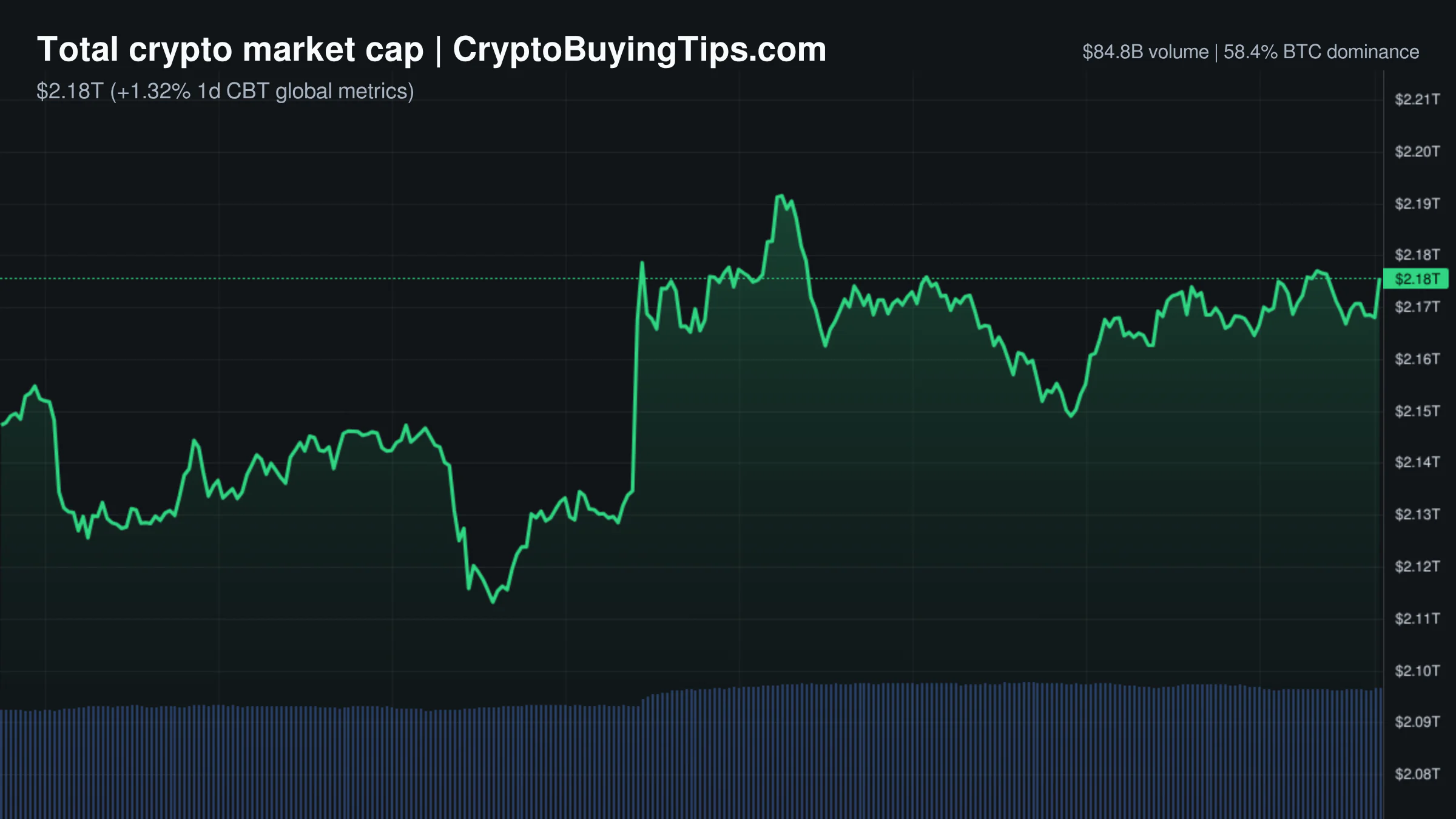
For now, the market is in a neutral state. The Fear and Greed Index is sitting at 50, and we are firmly in a Bitcoin season with an Altcoin Season Index of only 22. This suggests that people are hiding in BTC while the regulatory dust settles.
If you're worried about your assets being caught in a regulatory freeze, I'd suggest moving them off exchanges. I use a Ledger to keep my keys away from any one entity. It is the only way to actually own your money when the regulators start tightening the screws.
The move toward centralization in Europe is a warning. We are watching the "decentralized" dream get replaced by a regulated ledger. It's safer for the banks, but it's a loss for everyone else.
Sigrid Voss
Crypto analyst and writer covering market trends, trading strategies, and blockchain technology.
More Articles
Bitcoin ETFs just bled $1.7B in a month. Are the institutions actually giving up?
Bitcoin ETFs experienced a significant outflow of $1.7 billion this month, signaling a shift away from the initial "wall…
Bybit is letting you buy tokenized IPOs. Here is the catch
Bybit’s IPO Express offers retail investors access to tokenized IPOs like SpaceX, but it’s crucial to understand you’re…

The $763 billion leverage trap masking a fake recovery
A $763 billion surge in leveraged trading is masking a potentially dangerous market recovery. The massive disparity…
Crypto Market Overview | Leveraged recovery amid extreme fear | June 8, 2026
Crypto Market Overview Leveraged recovery amid extreme fear June 8, 2026 Market overview The crypto market is…