

Fidelity outflows and Ethereum OG dumps suggest a hidden exit
When Fidelity's FBTC ETF recorded a net outflow of $31.8M on October 24, 2026, it forces us to ask: why are ethereum ogs selling? On the surface, the Fear & Greed index is sitting at 46, which the market calls neutral. In reality, neutral is often just a polite word for a market that has no idea where it is going but is too tired to panic.
The divergence between institutional flows and OG behavior
We are seeing a split between what the public sentiment indices say and what the money is actually doing. While the retail crowd is idling in a neutral zone, the institutional side is showing signs of a quiet exit. Our news scoring system rated the Fidelity outflow story 9/10 for novelty because it contradicts the narrative of endless institutional accumulation.
The $31.8M exit from Fidelity is not a massive sum in isolation, but it is part of a broader pattern. We have seen this before; we previously covered how Bitcoin ETFs absorbing bid can mask underlying weakness in other assets. When the biggest players start trimming, the "neutral" sentiment usually lasts about as long as a candle in a wind tunnel.
Understanding the current market structure
The broader numbers suggest a cooling period that the indices are ignoring. The total market cap is $2.70T, but the energy has shifted. Bitcoin dominance is holding steady at 60.04%, which suggests that capital isn't necessarily flowing into alts; it is just consolidating in the safest possible spot.
This consolidation is a defensive move. When the market is genuinely bullish, you see a rotation from Bitcoin into Ethereum and then into smaller caps. Right now, we see the opposite. Capital is staying in Bitcoin or moving into stablecoins. This is a classic risk-off signal that arrives before the price action catches up.
Why are ethereum ogs selling?
To understand the selling pressure, we have to look at the "OGs" or long-term holders. On-chain data shows that these participants are moving to secure profits, a trend that beincrypto.com notes is historically tied to major price reversals.
The problem is that spot accumulation cannot sustain a rally if the long-term holders decide the top is in. Our signal scanner flagged this divergence between ETF flows and on-chain selling. While some institutions might be "buying the dip," the people who bought Ethereum years ago are exiting. This creates a ceiling that is very hard to break.
The risk here is structural. Research from okx.com suggests that when Ethereum ETFs experience negative flows for three consecutive weeks, the price has historically dropped by 30% to 40%. We are currently seeing that kind of institutional fatigue.
Putting the data into practice
If you want to know where the market is actually going, stop looking at the Fear & Greed index and start looking at stablecoin volume. We are seeing stablecoin volume at $61.90B, which is a significant drop in trading intensity. When volume collapses while dominance stays high, it means the bid is disappearing.
Ethereum dominance is currently 10.74%. If this continues to slide while long-term holders dump, the "institutional trade" for Ethereum looks less like a foundation and more like a trap. We have seen this pattern in our XRP institutional winner analysis, where the narrative of adoption failed to match the actual flow of capital.
The takeaway is simple. Divergence between macro inflows (ETFs) and micro actions (OG sales) signals market confusion. When the people who know the asset best start selling and the institutions stop buying, "neutral" is just another word for "danger." Watch the 200-week moving average for Ethereum; if that breaks, the exit door is going to get very crowded.
Some links in this article may be affiliate links. We may earn a commission at no extra cost to you — this never influences our analysis or coverage.

Sigrid Voss
Crypto analyst and writer covering market trends, trading strategies, and blockchain technology.
More Articles
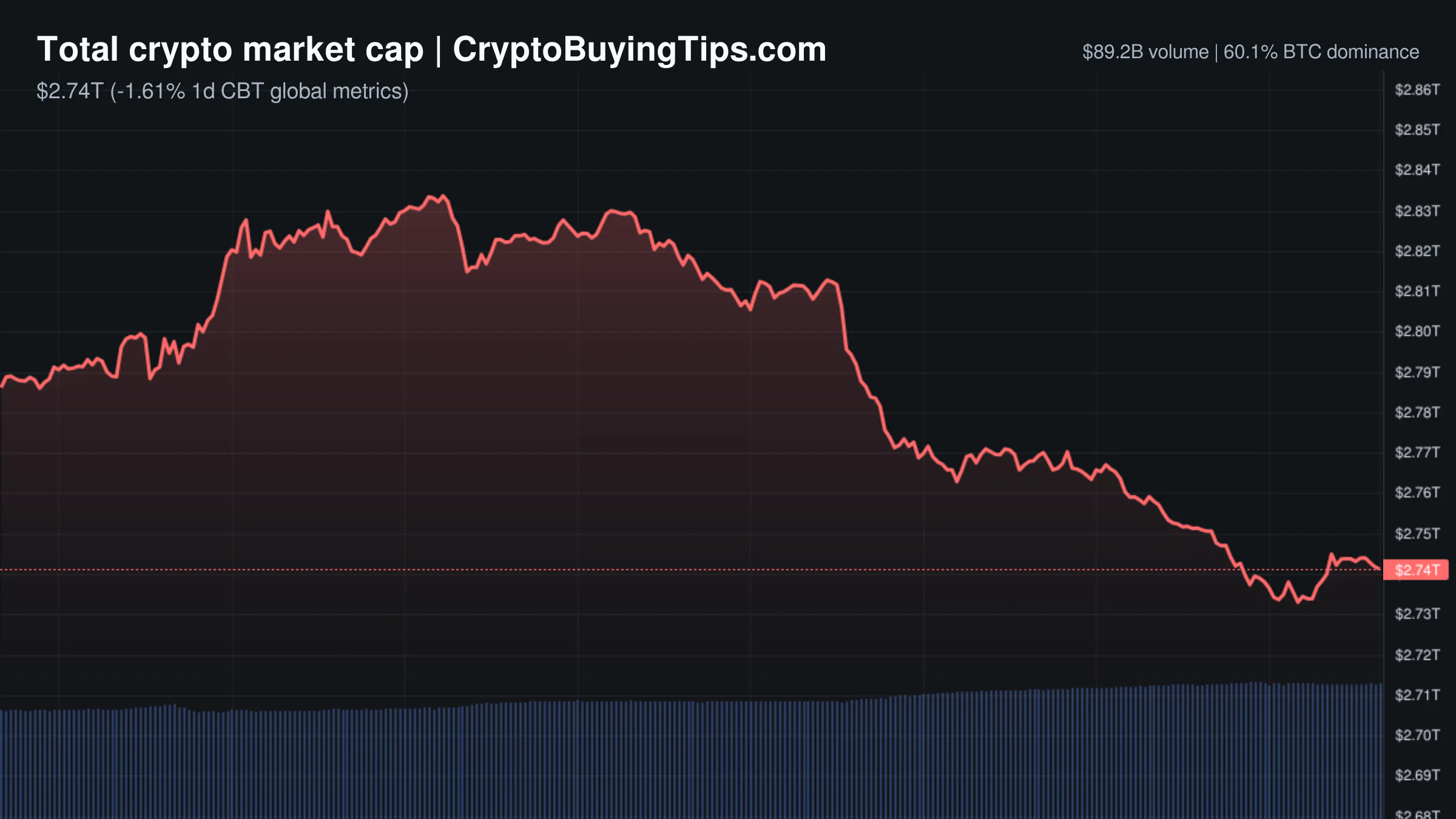
Crypto Market Overview | Leveraged bets surge amid regulatory clarity and institutional inflows | October 22, 2026
The market shows divergence between spot interest and leveraged bets amid regulatory clarity; see our overview here.

Volume is surging but prices are flat. Here is where the trigger is
Volume spikes while prices remain stubbornly flat; this divergence suggests an underlying battle between leveraged…
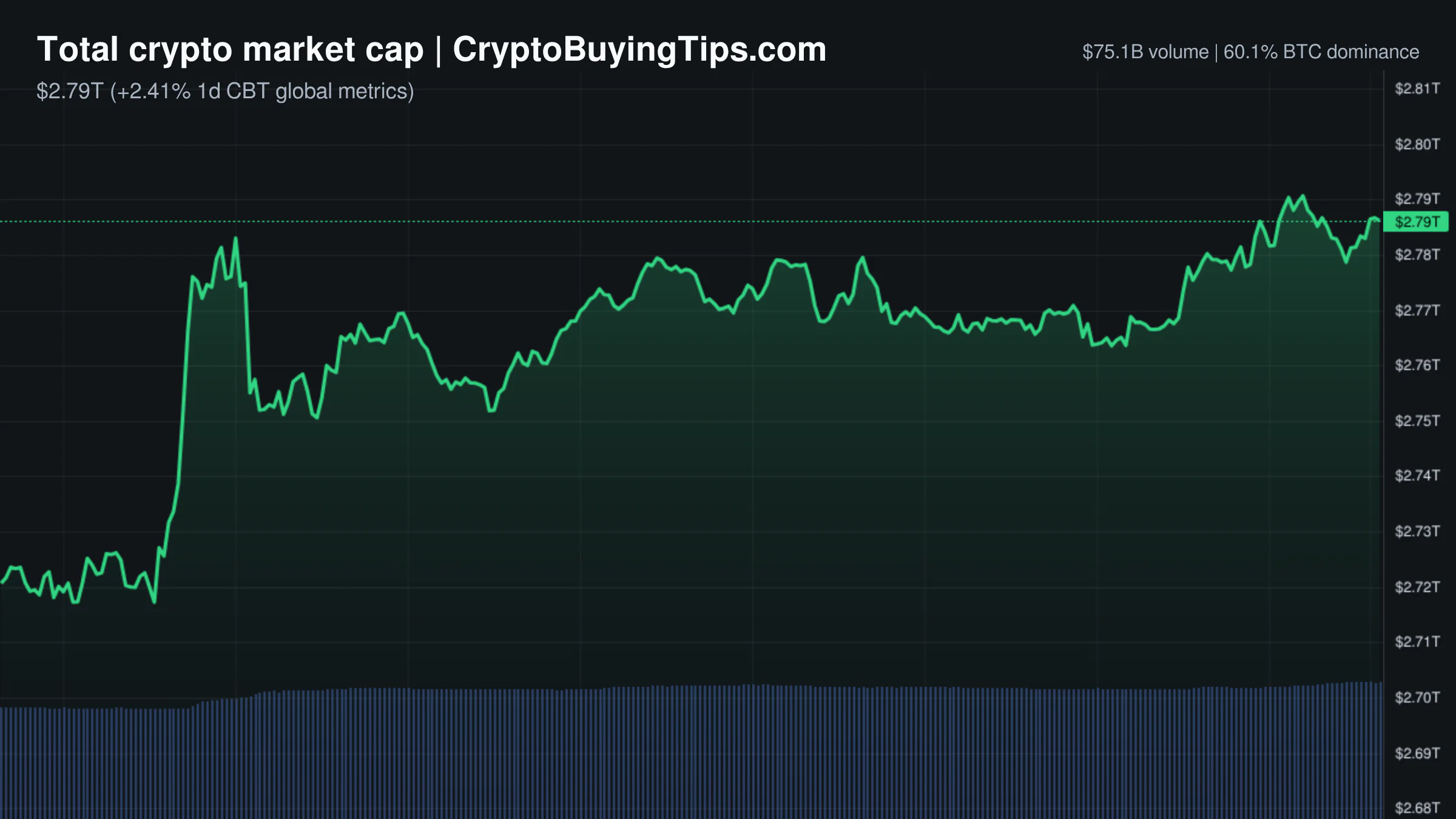
Crypto Market Overview | Leveraged speculation drives gains amid European regulatory uncertainty | October 21, 2026
Leveraged speculation drives crypto gains amid European regulatory uncertainty; see our market overview on BTC and ETH…

Compound is up 21% and DeFi volume is surging. The rotation is here
The market is behaving with all the excitement of an accountant's quarterly report, but DeFi primitives are showing…