

Japan just reclassified crypto as financial instruments. here is what it means for your portfolio
Most of the news lately has been about the US Treasury fighting stablecoins or big firms fleeing to Dubai for a bit of peace. But while everyone is looking at the West, Japan just made a move that could change the global standard for how japan regulates crypto assets 2026 and beyond. They aren't just tweaking a few rules. They are reclassifying crypto as financial instruments.
What actually happened
For years, Japan treated crypto mostly as a payment method. Now, the government is shifting the goalposts. By classifying these assets as financial instruments, they are essentially treating them like securities.
This brings a whole new set of rules into play. We are talking about strict insider trading bans and mandatory disclosure requirements for projects. If you are a founder or a big holder in Japan, you can't just dump your tokens based on private info anymore. You have to disclose it. It's a move toward a "professionalized" market, but it comes with a lot of red tape.
Why this matters for your bags
I've been watching this space since 2019, and I've seen how "regulatory clarity" is often just code for "more paperwork." But in this case, it's a double edged sword.
On one hand, this is a massive green light for institutional money. Big Japanese banks and pension funds hate ambiguity. They won't touch assets that live in a legal gray area. By making crypto a financial instrument, Japan is giving these institutions a legal bridge to enter the market. When that happens, we usually see a lot more stability and a lot less wild volatility.
On the other hand, the "wild west" era of Japanese crypto is over. The disclosure mandates mean that vaporware projects will have a much harder time hiding their lack of progress. If a project claims to have a certain amount of TVL or a specific partnership, they'll have to prove it or face the regulators.
How japan regulates crypto assets 2026 and the global ripple effect
I think we're seeing a divergence in how the world handles this. The US is still fighting in the courts, while Japan is building a structured system. If Japan's model works, other G7 nations might copy it.
This shift also changes the risk profile of the market. We're moving away from "payment tokens" and toward "investment assets." This means the market will care more about fundamentals and less about whether a coin can be used to buy a coffee.
If you're trading these shifts, you need a reliable place to move your capital. I've used Bybit for a while now because their interface handles the transition between spot and derivatives without making me feel like I need a PhD in finance. It's a solid choice if you're trying to hedge your bets while these regulatory shifts play out.
What I'm watching next
Right now, the Fear & Greed Index is sitting at 44, which is pretty neutral. The market isn't pricing in this Japanese shift yet. I'm keeping a close eye on BTC dominance, which is currently at 0.5%, and whether this news triggers a specific rotation into assets that have strong Japanese institutional backing.
I'm also watching for the first "insider trading" case under these new rules. Once the first big whale gets slapped with a fine in Tokyo, the rest of the world will realize that the era of unregulated dumping is closing. I'm not a bull or a bear on this, but I am a realist. Compliance is coming, and it's usually boring, but it's what allows the big money to stay.
Some links in this article may be affiliate links. We may earn a commission at no extra cost to you — this never influences our analysis or coverage.

Sigrid Voss
Crypto analyst and writer covering market trends, trading strategies, and blockchain technology.
More Articles

Fidelity outflows and Ethereum OG dumps suggest a hidden exit
Another day of market data suggesting everything is fine until you look at the outflows and OG dumping. Institutional…
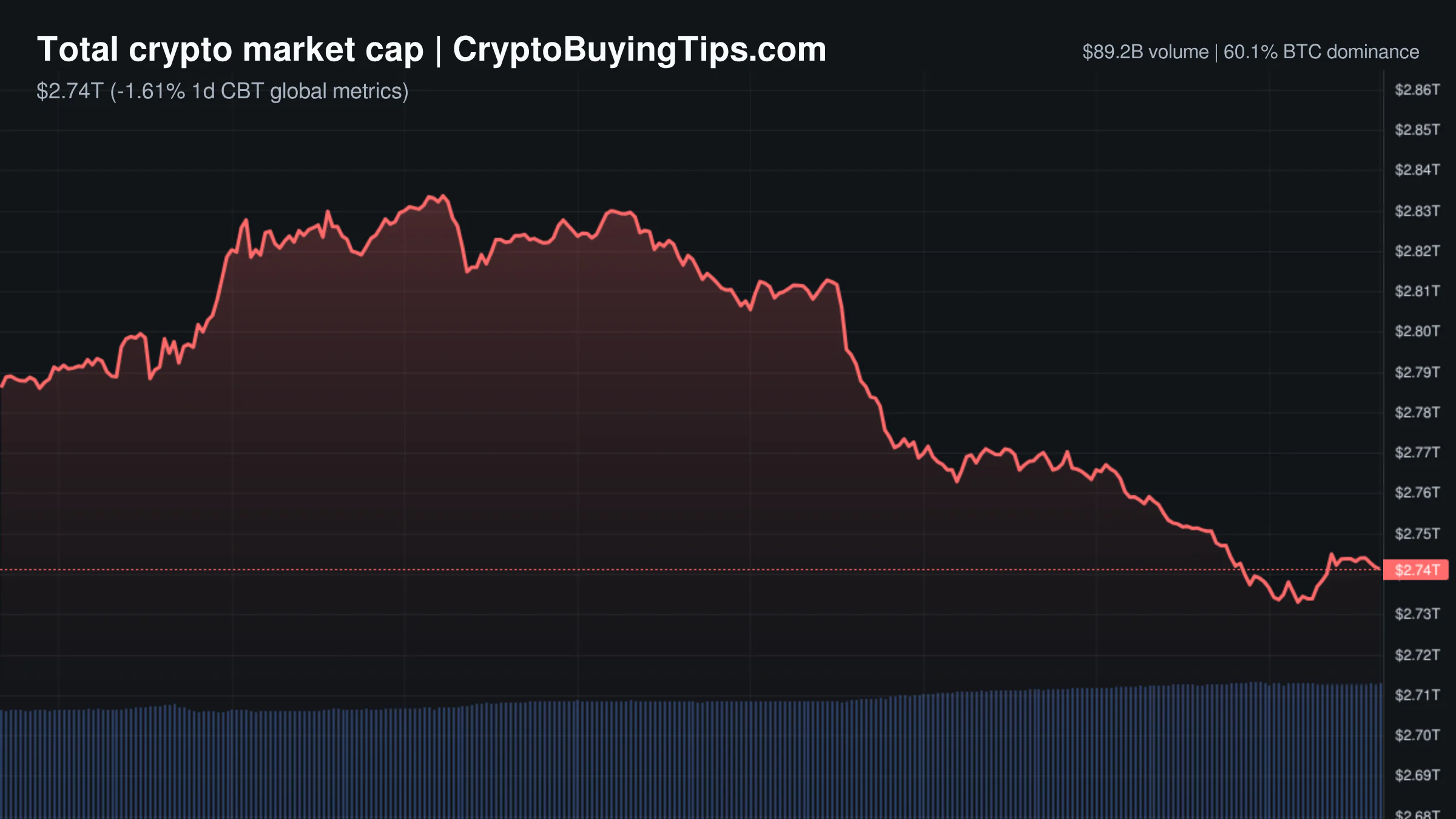
Crypto Market Overview | Leveraged bets surge amid regulatory clarity and institutional inflows | October 22, 2026
The market shows divergence between spot interest and leveraged bets amid regulatory clarity; see our overview here.

Volume is surging but prices are flat. Here is where the trigger is
Volume spikes while prices remain stubbornly flat; this divergence suggests an underlying battle between leveraged…
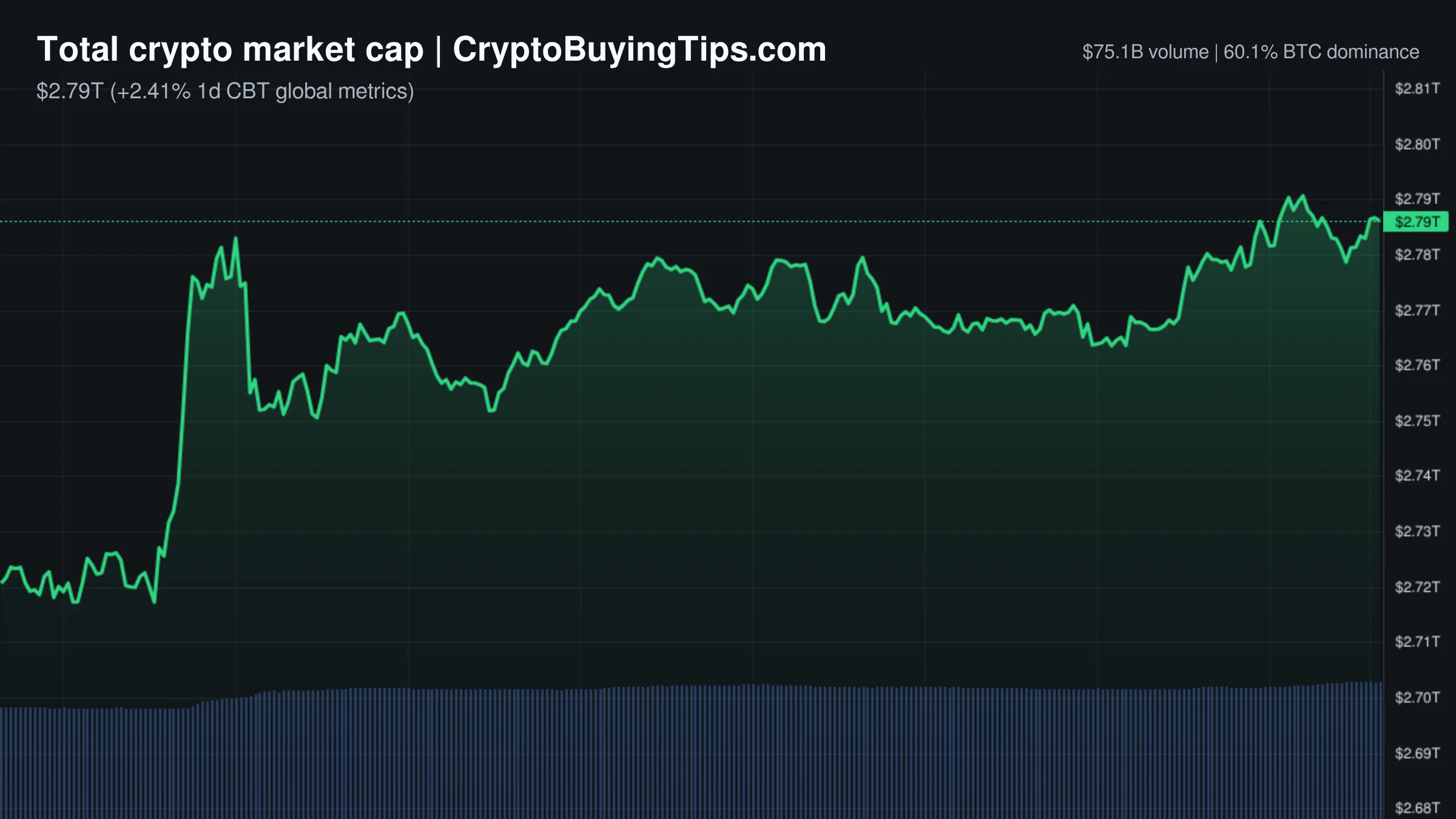
Crypto Market Overview | Leveraged speculation drives gains amid European regulatory uncertainty | October 21, 2026
Leveraged speculation drives crypto gains amid European regulatory uncertainty; see our market overview on BTC and ETH…