

Should bitcoin developers be allowed to freeze your coins?
I've spent the last few years tracking the tension between Bitcoin's "hard money" purists and the developers who actually keep the network running. Usually, the fights are about block size or energy. But the new proposal, BIP-361, is different. It's a philosophical collision. We are talking about a potential mechanism to freeze dormant coins to prevent quantum computers from stealing them. For anyone wondering how to protect bitcoin from quantum computers, this proposal suggests that the "solution" might be a loss of absolute sovereignty over your own keys.
What is actually happening
The core of the issue is that quantum computing is getting closer. Current Bitcoin addresses use elliptic curve cryptography, which a powerful enough quantum computer could crack. If a hacker can derive your private key from your public key, they can move your funds.
BIP-361 proposes a way to identify "at-risk" coins. Specifically, it looks at dormant addresses that haven't moved in years. The idea is to create a system where these coins can be effectively frozen or moved to a quantum-resistant address. The goal is to stop a quantum attacker from draining millions of old BTC before the owners even realize their security is obsolete.
Why this makes me uncomfortable
I've been in this space since 2019, and if there is one thing I've learned, it's that "temporary" security measures often become permanent surveillance tools. The "not your keys, not your coins" mantra isn't just a catchy phrase; it's the only reason Bitcoin has value.
If we introduce a mechanism that allows a group of developers or a network consensus to freeze coins, we've just rebuilt the banking system we tried to escape. I don't care if the intention is to stop hackers. Once you build a "freeze" button into the protocol, you've created a tool that governments will eventually demand to use for sanctions or "crime prevention."
It's a slippery slope. We've already seen how stablecoin issuers like Circle handle court orders. Bringing that level of control to the Bitcoin base layer is a nightmare scenario.
How to protect bitcoin from quantum computers without a freeze
The good news is that we don't actually need to freeze coins to stay safe. The real solution is a proactive migration to quantum-resistant signatures.
In my experience, the best way to handle this is to stay active. If you move your funds to a new address, you reveal your public key only at the moment of the transaction. This gives you a window to move to a new, quantum-secure address type once the network implements them.
I've always advocated for moving assets off exchanges. If you're still keeping your BTC on a platform, you're trusting a company to handle this migration for you. I prefer using a Ledger because it gives me direct control over my keys. When the quantum-resistant updates eventually hit the network, I want to be the one clicking "send," not waiting for a developer to decide my coins are "at risk" and freeze them for me.
What I'm watching now
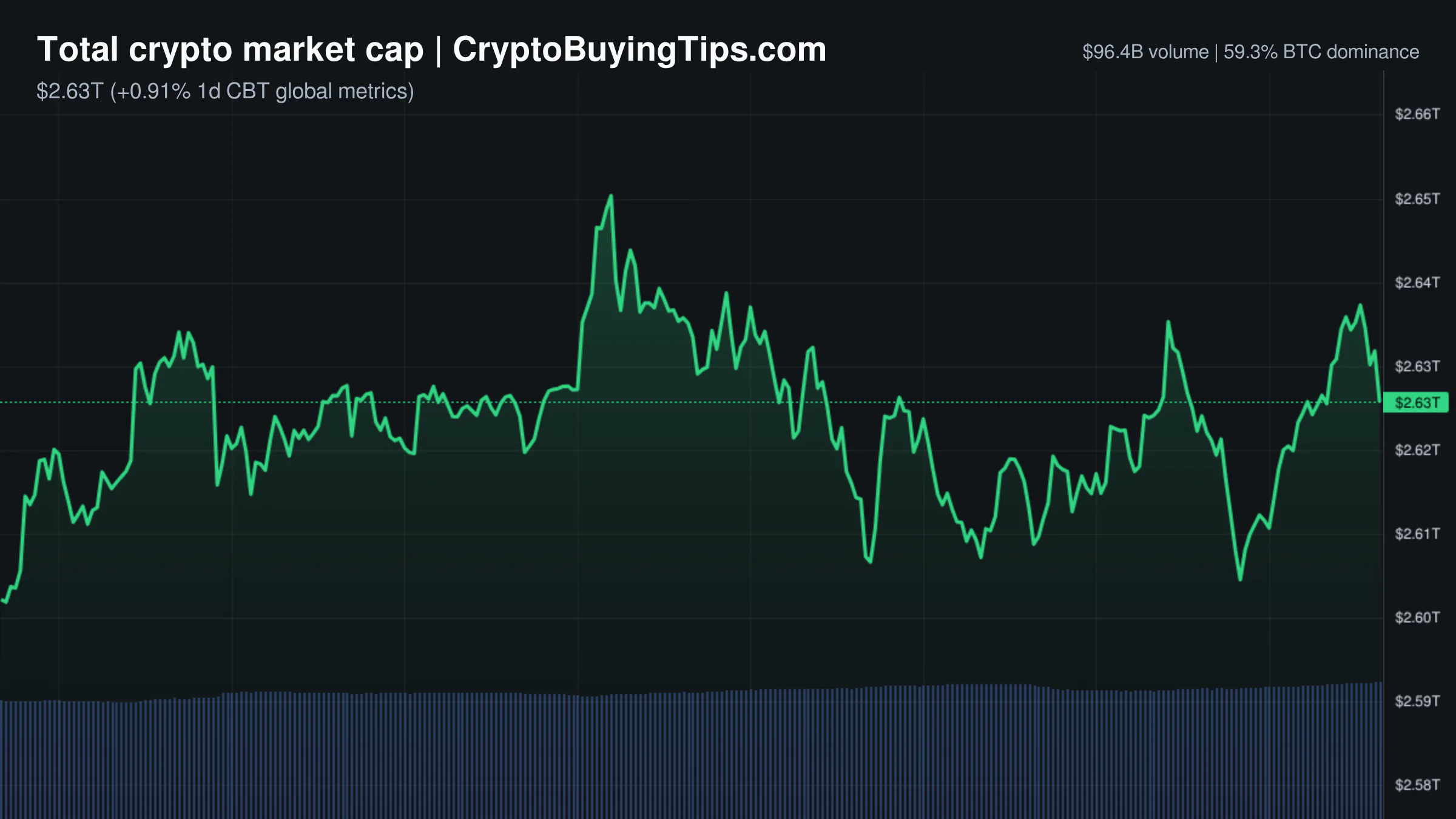
The market is currently in a neutral state, with a Fear & Greed index of 53 and BTC dominance holding steady around 59%. This technical debate isn't moving the price today, but it could shift the narrative.
I'm watching the community response to BIP-361. If the "hard money" crowd manages to kill this proposal, it proves that Bitcoin's decentralization is still its strongest feature. If it passes, we have to accept that Bitcoin is no longer a permissionless fortress, but a managed asset. I'm not sure which outcome I prefer more, but I know I'll be keeping my keys in my own pocket.
Related Tickers
Some links in this article may be affiliate links. We may earn a commission at no extra cost to you — this never influences our analysis or coverage.

Sigrid Voss
Crypto analyst and writer covering market trends, trading strategies, and blockchain technology.
More Articles
Crypto Market Overview | Leverage-driven rally amid strong ETF inflows as BTC targets 80k | August 24, 2026
Leverage-driven rally sees BTC near 80k amid strong ETF inflows; see our market overview on current crypto dynamics.

Derivatives volume is 8x higher than spot. Here is why that is a warning
The market's current price action seems to be driven by bets rather than cash; with derivatives volume eight times…
Crypto Market Overview | volume collapses as greed persists amid regulatory friction | August 23, 2026
Volume collapses as greed persists amid regulatory friction; see our market overview on crypto's current state and key…

Brussels is coming for DeFi vaults and the market is ignoring the risk
Brussels seems to think "decentralized" is just an aesthetic choice for now. Our read suggests MiCA regulation isn't…