

The SEC's new safe harbor for DeFi is a win, but the fine print is brutal
For years, the biggest question for anyone using a decentralized exchange or a lending protocol has been: are defi apps legal in usa? The SEC has spent most of the last decade answering that with a shrug or a lawsuit. But the new guidance on Covered User Interfaces changes the game. They've finally given a roadmap for front-ends and wallets to exist without being labeled as illegal broker-dealers, provided they follow a very strict set of rules for the next five years.
What actually happened
The SEC has introduced a five year safe harbor for what they call Covered User Interfaces. In plain English, if you build a website that lets people interact with a smart contract, you don't have to register as a broker-dealer immediately, as long as you meet specific conditions.
The conditions are the catch. To stay in this safe harbor, the interface cannot have custody of user funds. None. If the project touches the private keys or holds the assets, the safe harbor vanishes. They also have to use fixed fees. If the interface starts implementing complex, variable pricing models that look like traditional brokerage commissions, the SEC will likely come knocking.
Why this is a mixed bag
I'm glad the SEC is finally acknowledging that a website is not the same thing as a bank. It's a massive step toward legitimacy. But the "safe" part of this harbor is narrower than most people think.
The five year limit is the part that worries me. It's essentially a countdown. The SEC is saying, "We'll leave you alone for now, but you have five years to become truly decentralized or find a way to comply with laws written for 1930s stockbrokers."
Many projects aren't actually decentralized; they just have a fancy UI. If a team is still making 90% of the decisions behind a curtain, they aren't "decentralizing" in the way the SEC wants. They're just hiding. I suspect we'll see a wave of panic around year four as projects realize they can't actually meet the requirements for full decentralization.
The risk of the "custody" trap
The no-custody rule is the most important part. This is why I've always pushed for self-custody. If you're using a platform that manages your keys for you, you're not using DeFi; you're using a centralized app with a DeFi label.
When you move your assets off an exchange and into a hardware wallet, you're removing the middleman that the SEC is currently targeting. I've used a Ledger for years because it's the only way to actually be your own bank. If a project fails the SEC's custody test, the developers might get sued, but if you hold your own keys, your assets aren't the ones at risk.
What I'm watching next
I'll be looking at how the big DeFi front-ends react to the fixed-fee requirement. Many protocols rely on dynamic pricing to manage liquidity or risk. If they have to flatten their fee structures to stay legal in the US, it could change how these apps actually function.
I'm also keeping an eye on the market sentiment. Right now, the Fear and Greed Index is at 53, which is basically a shrug. The market isn't pricing this in yet because most traders are too busy watching Bitcoin dominance, which is sitting at 59.19%.
But for the long term, this is the real story. The SEC just gave DeFi a timer. Whether the industry can actually decentralize before that timer hits zero is the only question that matters.
Some links in this article may be affiliate links. We may earn a commission at no extra cost to you — this never influences our analysis or coverage.

Sigrid Voss
Crypto analyst and writer covering market trends, trading strategies, and blockchain technology.
More Articles
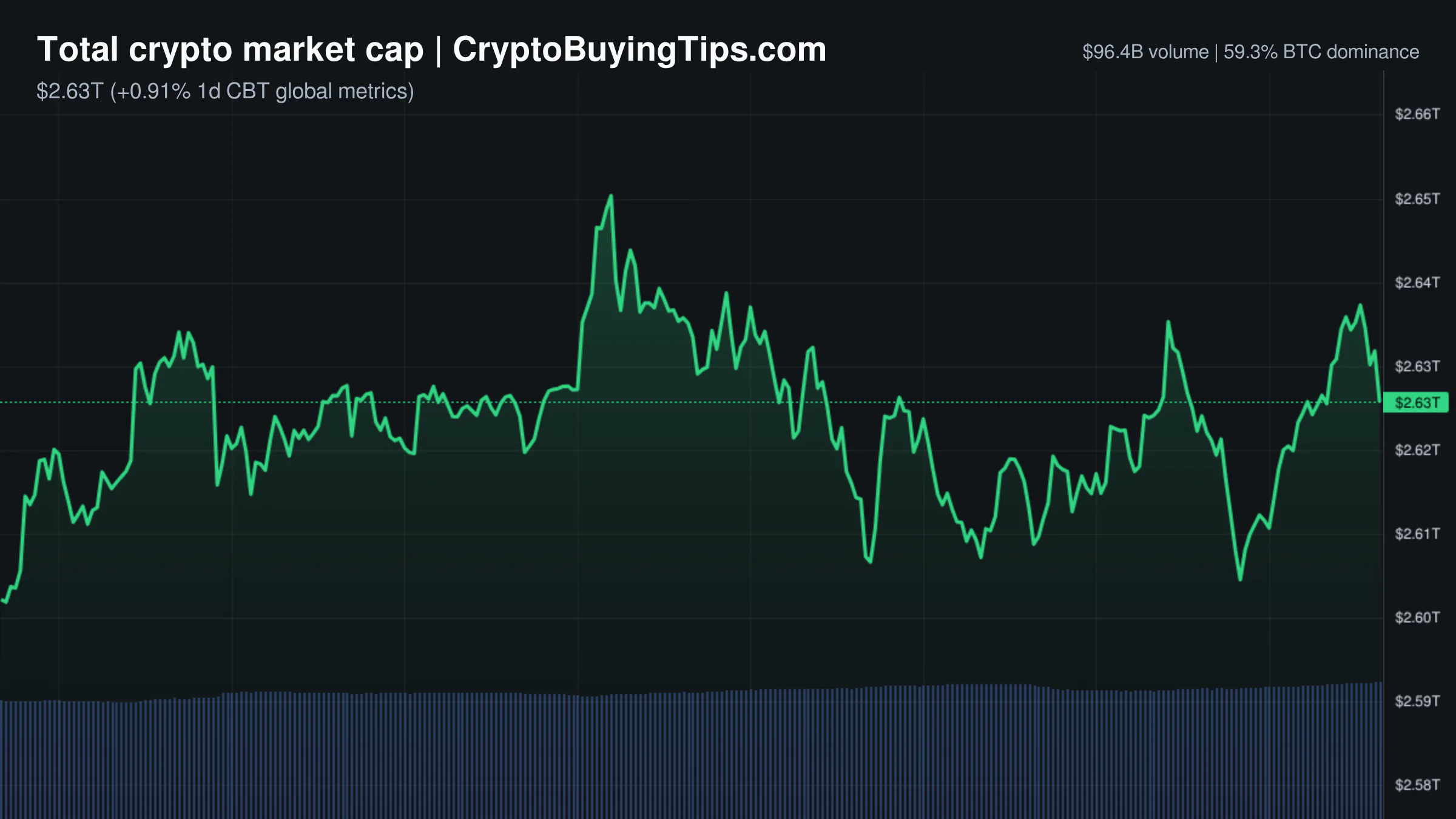
Crypto Market Overview | Leverage-driven rally amid strong ETF inflows as BTC targets 80k | August 24, 2026
Leverage-driven rally sees BTC near 80k amid strong ETF inflows; see our market overview on current crypto dynamics.

Derivatives volume is 8x higher than spot. Here is why that is a warning
The market's current price action seems to be driven by bets rather than cash; with derivatives volume eight times…
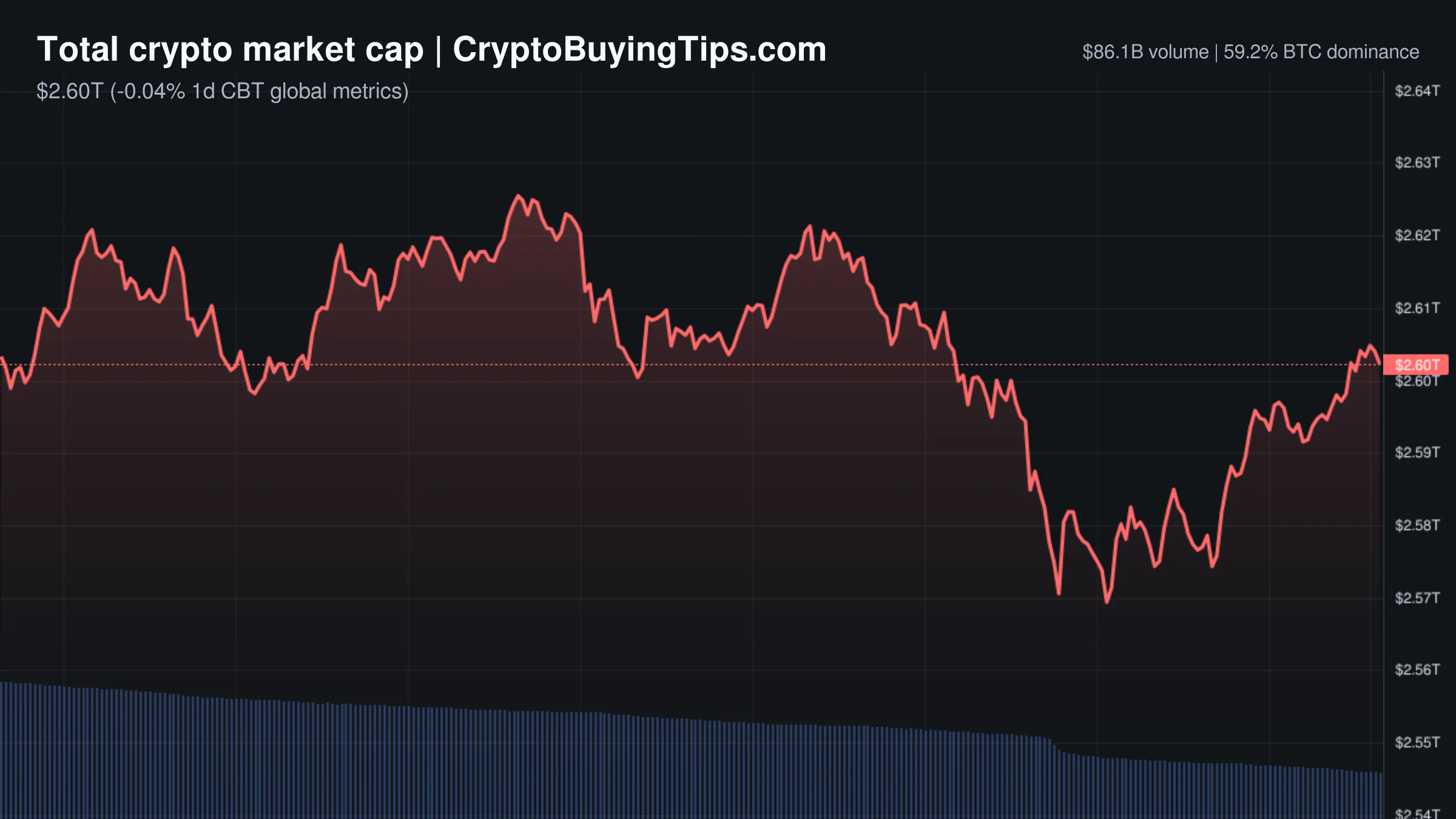
Crypto Market Overview | volume collapses as greed persists amid regulatory friction | August 23, 2026
Volume collapses as greed persists amid regulatory friction; see our market overview on crypto's current state and key…

Brussels is coming for DeFi vaults and the market is ignoring the risk
Brussels seems to think "decentralized" is just an aesthetic choice for now. Our read suggests MiCA regulation isn't…