

Stablecoin volume surged 43%, but what does rising stablecoin dominance mean for alts?
The retail playbook says that when stablecoin volume spikes, "dry powder" is accumulating for a massive rotation into altcoins. It is a comforting narrative that suggests a moon mission for your favorite mid-cap tokens is imminent. But the current data tells a different story. Our global market structure data shows a 43.25% spike in stablecoin volume occurring at the exact same time that Bitcoin dominance is climbing. If you are wondering what does rising stablecoin dominance mean in this specific context, the answer is usually risk management, not risk appetite.
The data behind the surge
The numbers are loud, but they are being misread. According to our internal metrics, stablecoin volume has hit $110.15B, a jump of 43.25% in 24 hours. In a vacuum, that looks like a flood of liquidity ready to buy the dip on everything from Solana to random meme coins.
However, we have to look at where that liquidity is actually landing. Bitcoin dominance is currently sitting at 59.79% and it is rising. The Altcoin Season Index is at 37/100, which is firmly in neutral territory. In a genuine altcoin rotation, you would see stablecoin volume rise while Bitcoin dominance falls, as traders swap BTC for stables to buy alts. Instead, we are seeing the opposite.
The broader market is in a greed phase, with the Fear and Greed Index at 78, but the growth is heavily skewed. While the total market cap is climbing, the money is being absorbed by Bitcoin. We previously covered how Bitcoin dominance analysis shows institutional channels absorbing the bulk of new inflows, and this stablecoin surge is just the latest chapter in that story.
What does rising stablecoin dominance mean for the rotation?
The mistake most traders make is assuming all stablecoin activity is the same. There is a massive difference between a retail trader holding USDT to buy a 100x gem and an institution using stablecoins for liquidity management.
Our read is that this volume is driven by two non-retail factors. First, there is institutional hedging and settlement. Large players don't just buy and hold in a vacuum. They use stablecoins for digital asset settlement and on-chain liquidity management jpmorgan.com. When Bitcoin edges toward $78,000, institutional desks often move profits into stables to lock in gains or create a hedge without exiting the crypto ecosystem entirely. This creates a surge in volume that has nothing to do with buying altcoins.
Second, we have the denominator effect. Rising stablecoin dominance can be a bit of a mathematical trick. As noted by research on decoding stablecoin dominance, dominance often rises not because stablecoin supply is exploding, but because the rest of the market is shrinking or stagnating relative to the stables. While the total market cap is up, the concentration of volume in stables suggests that traders are choosing the safety of dollars over the volatility of the altcoin market.
Why this is a professionalized rally
The current market structure is a contradiction. We have massive volume in derivatives and stables, but the Altcoin Season Index remains stubbornly low. Derivatives 24h volume is $957.34B, up 31.10%. This suggests the smart money is playing a very different game than the laser-eye crowd.
Instead of a retail-led rotation, we are seeing a professionalized rally. The high volume in stables is likely being used to fuel BTC-centric perpetuals or to manage collateral for large-scale BTC positions. It is the financial equivalent of a professional athlete warming up in the locker room; just because they are moving around doesn't mean they are about to play a different sport.
If you look at the stablecoin dominance in crypto patterns we have tracked before, this kind of divergence usually precedes a period of consolidation. The money is in the system, but it is not interested in the risk profile of the average altcoin.
The bottom line
A surge in stablecoin volume is only a bullish altcoin signal if it is accompanied by a drop in Bitcoin dominance. Without that, it is just noise.
The current rally is being led by Bitcoin, supported by institutional flows, and hedged with stables. For those waiting for an altcoin season, this data is a cold shower. The liquidity is there, but it is being guarded by professionals who have no intention of gambling it on the latest trending DEX token.
We will keep an eye on the Altcoin Season Index. Until that number clears 75, any stablecoin surge should be viewed as a sign of institutional positioning, not a signal to go all-in on alts.
Some links in this article may be affiliate links. We may earn a commission at no extra cost to you — this never influences our analysis or coverage.

Sigrid Voss
Crypto analyst and writer covering market trends, trading strategies, and blockchain technology.
More Articles
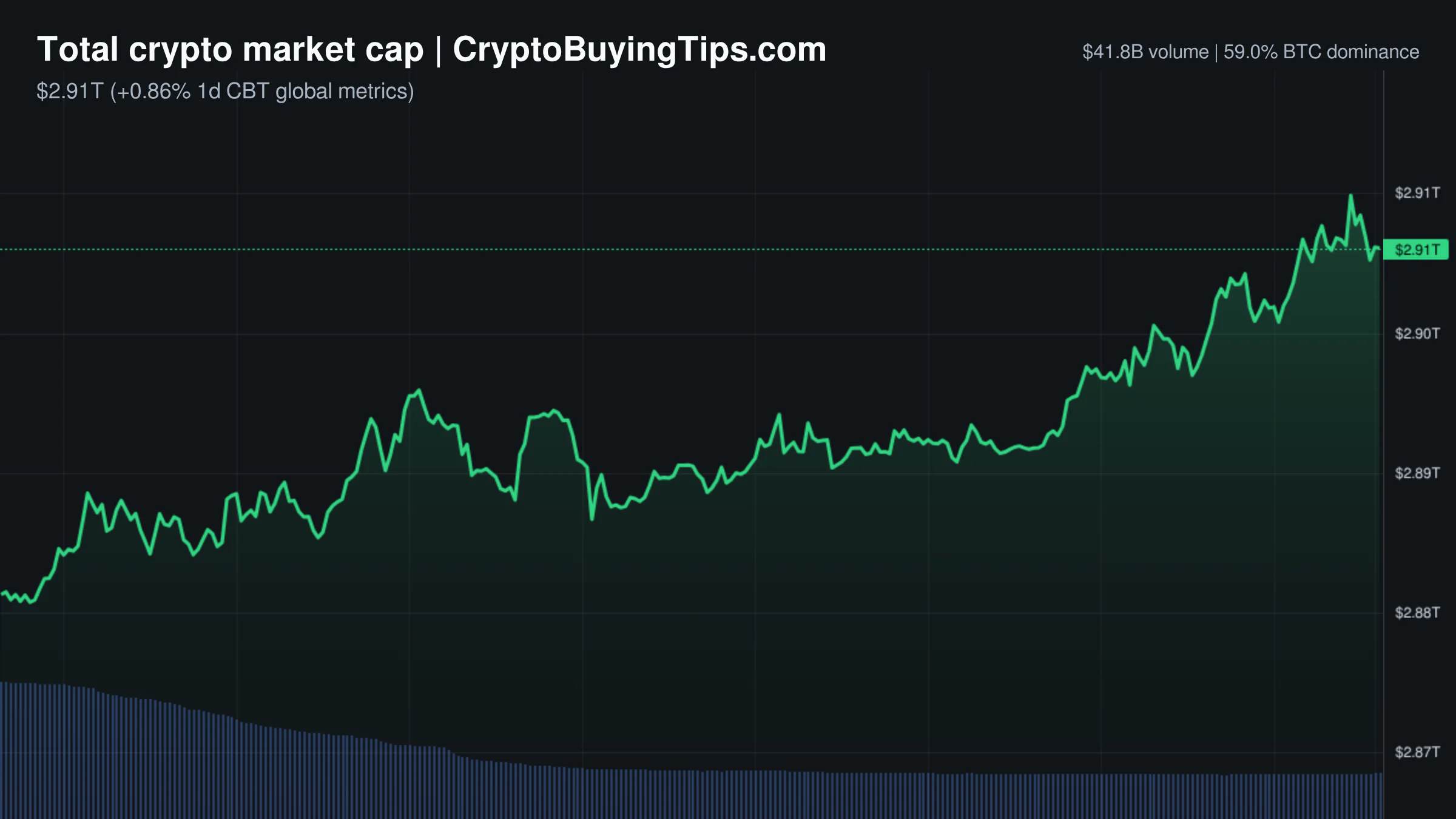
Crypto Market Overview | price stability masks collapsing trading volumes and low on-chain activity | October 4, 2026
Price stability masks collapsing trading volumes and low on-chain activity, suggesting conviction is lacking despite…

Perpetual futures now dwarf traditional futures 300 to 1
Perpetual open interest dwarfs traditional futures by over 30 to 1. This massive imbalance suggests that current market…
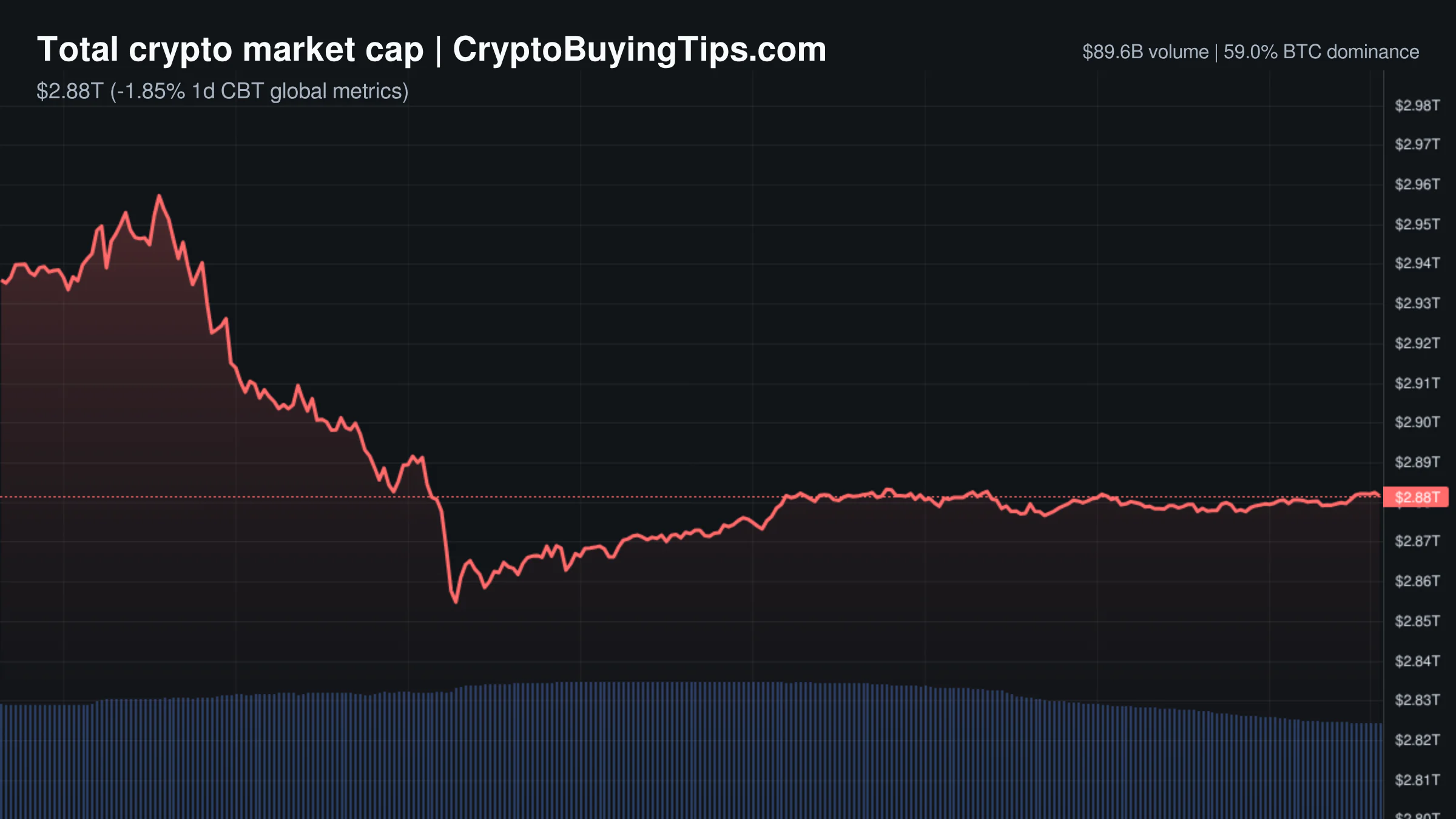
Crypto Market Overview | Leveraged bets dominate as spot volume fades | October 3, 2026
Leveraged bets dominate as spot volume fades; see our overview of current crypto market metrics, BTC dominance, and…

Bitcoin is slipping, but our scanner just flagged new setups
The market is having a bit of a wobble, which some are treating like an apocalypse. Our signal scanner suggests the…