
Stablecoins now outweigh the reserves of 95 nations. Here is why that is a problem
The numbers are honestly staggering. We are looking at a stablecoin market cap of $322B, with a recent surge in 24h volume up 11.57%. To put that in perspective, the collective "digital dollars" held by private companies now exceed the foreign exchange reserves of 95 different countries. For most people, finding the best stablecoins for long term holding is just about avoiding a crash, but for the global economy, this is a massive structural shift. We are effectively replacing sovereign trust with the balance sheets of a few private entities. We previously covered USDT Risk Explained for more background.
The bigger picture
For decades, the global financial system relied on central banks holding reserves to stabilize their currencies. If a country's economy hit a wall, they used those reserves to keep things moving. Now, a huge chunk of global liquidity is shifting into assets like USDT and USDC. This isn't just "crypto growth." It is the displacement of state power by private code.
When I first started tracking this market in 2019, stablecoins were just a way to park money between trades. Now, they are becoming a primary layer of global payments. But here is the catch: unlike a national reserve, these private reserves aren't backed by a government's taxing power. They are backed by whatever the issuer says they are backed by.
The data behind the shift
If you look at the current metrics, the trend is clear. Stablecoin volume is climbing even while the broader market is in a "Fear" zone, with a Fear & Greed Index of 39. This tells me that capital isn't necessarily leaving the ecosystem; it is just moving into the sidelines.
The risk here is the concentration of power. We've already seen how this plays out. I've been following the trend of centralization for a while, and we previously covered how the Stablecoin Reserves Problem becomes an issue when traditional giants like Morgan Stanley try to move in on the reserves. When a private company controls more liquidity than a small nation, they don't just have financial power. They have political power.
What this changes for the average user
You might think, "I don't care about national reserves, I just want my money to stay at $1." But that's the trap. If the US Treasury decides to crack down on these issuers, your "stable" asset can be frozen in a heartbeat. We've seen Tether freeze hundreds of millions of dollars in short windows. If you are holding your assets on an exchange, you aren't actually holding them; the exchange is.
If you are looking for the best stablecoins for long term holding, the most important thing isn't the yield. It is the custody. I can't stress this enough: keeping your assets on a centralized platform is a gamble. I prefer using a hardware wallet to keep my private keys offline. For those who want a premium experience, the Ledger Stax is a great choice because it has a curved E Ink touchscreen and a specific Transaction Check feature that helps you spot DeFi scams before you sign them. It's a $399 investment, but it's a lot cheaper than losing your entire portfolio to a hack or a freeze.
My final take
I'm not saying stablecoins are a scam. They've provided the liquidity that allowed the entire crypto market to exist. But we have to stop pretending they are "safe" just because the price doesn't move.
The fact that these assets now outweigh the reserves of nearly 100 countries is a warning. We are building a new financial system on top of a few private companies. If those companies fail, or if they become too close to the regulators they were meant to bypass, the "stability" of your stablecoin is just an illusion. I'll keep using them for trading, but I'm not trusting them with my life savings.
Trade the news at our editorial-picked exchange: Gate
Some links in this article may be affiliate links. We may earn a commission at no extra cost to you — this never influences our analysis or coverage.

Sigrid Voss
Crypto analyst and writer covering market trends, trading strategies, and blockchain technology.
More Articles
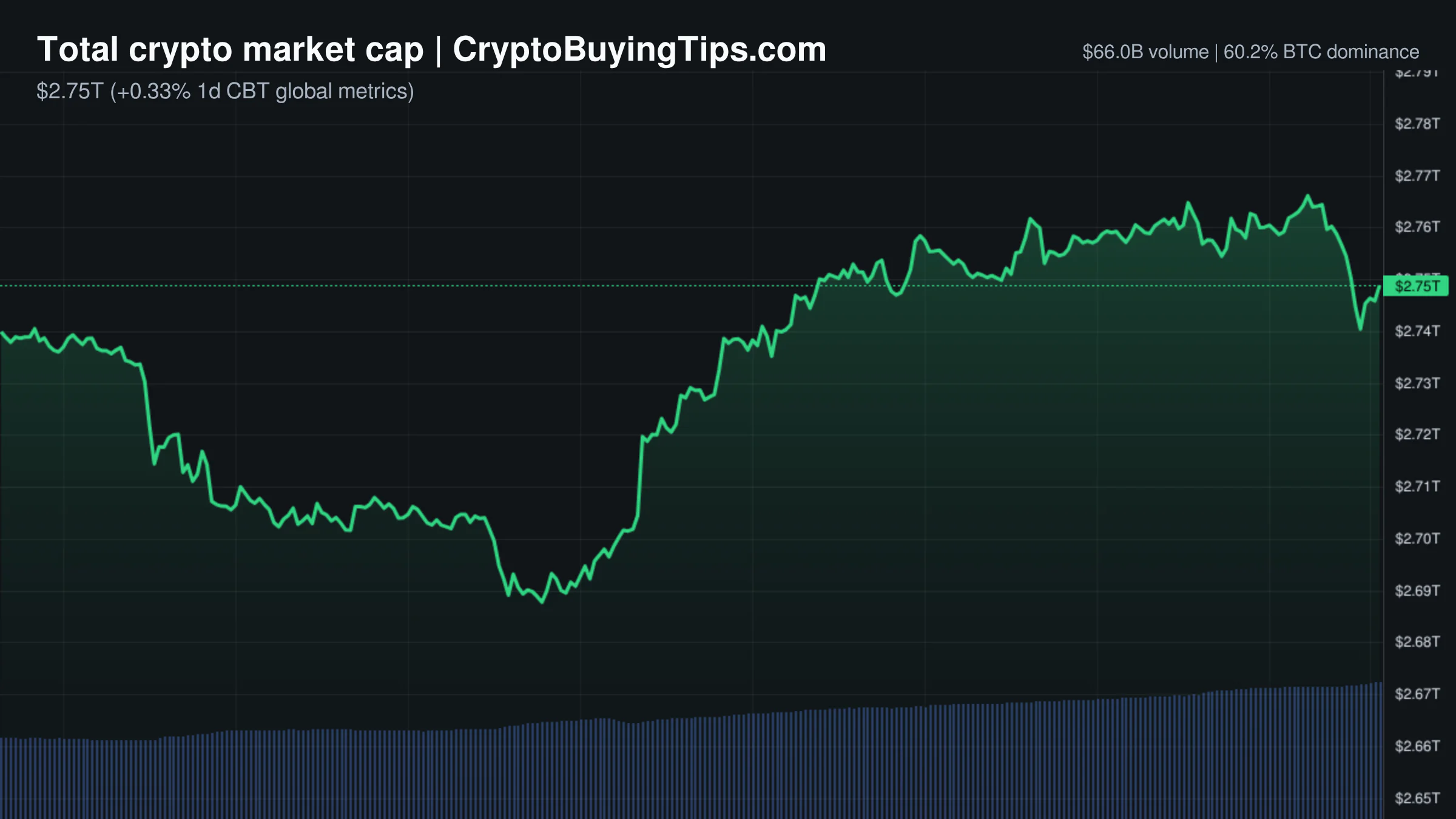
Crypto Market Overview | Leveraged bets surge as institutional rails expand despite ETF outflows | October 19, 2026
Leveraged bets surge as institutional rails expand despite ETF outflows; see our market overview on BTC dominance and…

Why 0.04 Gwei gas is a red flag for Ethereum
The quiet gas fees suggest nothing about underlying utility demand; meanwhile, $566B in derivatives volume points…
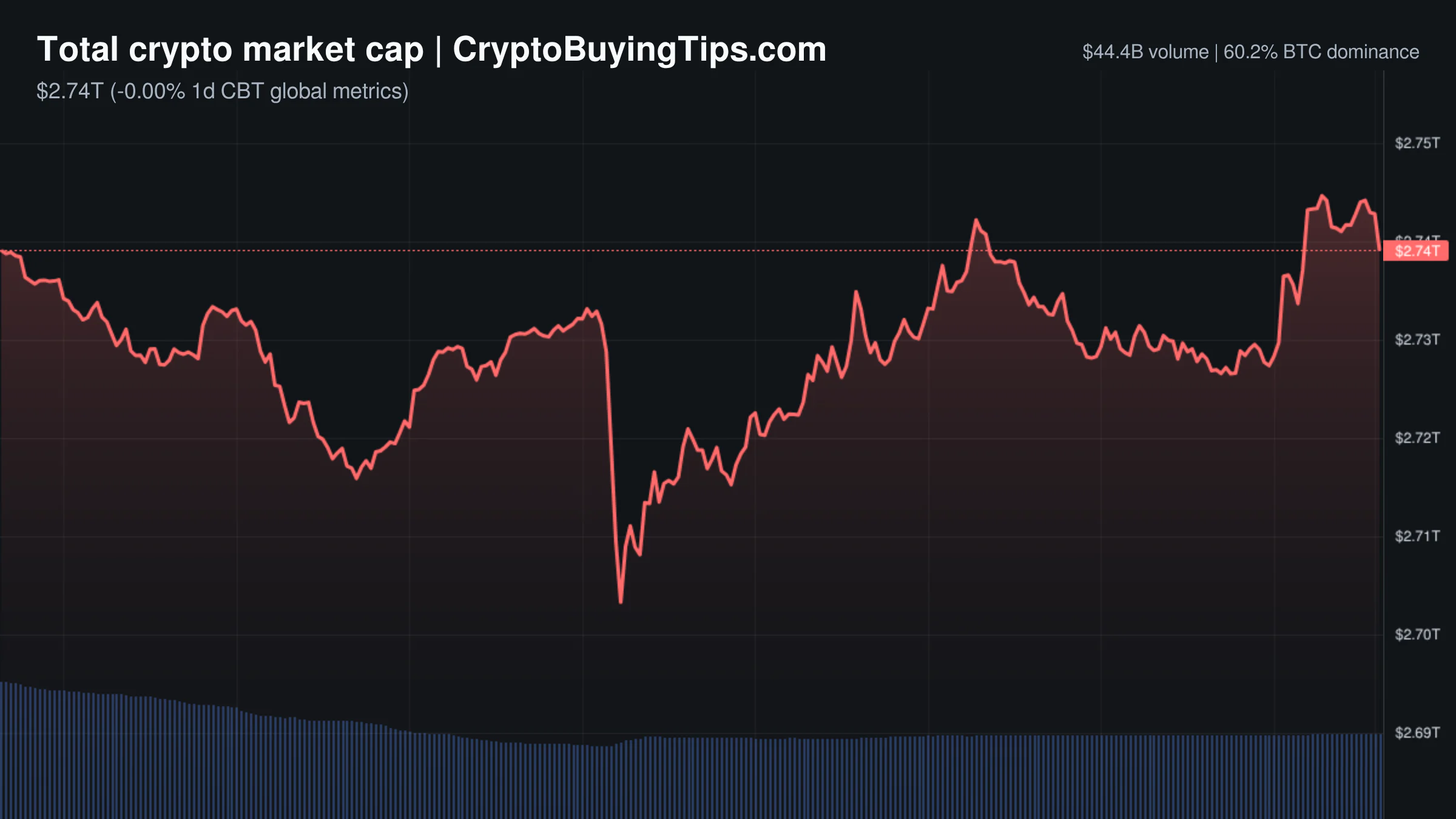
Crypto Market Overview | Bitcoin dominance climbs while altcoins struggle amid institutional friction | October 18, 2026
Bitcoin dominance climbs to 60.1% while altcoins struggle amid institutional friction; see our market overview for…

6 million Bitcoin are quantum-exposed. Here is what that actually means
Six million Bitcoin are sitting in addresses that could be vulnerable to quantum attacks. The risk isn't theoretical; it…