
Stop trusting your exchange with your life savings
I've spent years watching people treat centralized exchanges like high yield savings accounts. They see a clean interface and a few security badges and assume their funds are locked in a vault. But after seeing how the industry handles "incidents," I've realized that the biggest lie in crypto is the idea of a "safe" exchange. If you're wondering is it safe to keep crypto on Kraken or any other big platform, you have to stop asking about the platform's security and start asking who actually controls the keys.
The short answer
No exchange is perfectly safe. While Kraken is widely considered one of the more transparent and secure options because of their proof of reserves, you are still trusting a third party. If they get hacked, freeze your account, or go bankrupt, you don't actually own those coins. You own a promise from the exchange that they will give them back.
How the risk actually works
When you deposit BTC or ETH into an exchange, you aren't putting them in a personal locker. You're giving your assets to the exchange's wallet. They give you a dashboard that shows a number, but the actual private keys are held by the company.
This creates a single point of failure. A rogue employee, a sophisticated phishing attack on their internal systems, or a government freeze can wipe you out in seconds. I remember reading about Bithumb's massive errors and the constant stream of bridge exploits. These aren't just "glitches." They are structural failures.
Even if the exchange is honest, they are targets. The recent extortion attempts against Kraken show that hackers don't just go for the coins; they go for the data and the people. Once your personal information is leaked, your account becomes a target for social engineering.
Where people get tripped up
The biggest mistake I see is the "too much effort" trap. People tell me that setting up a hardware wallet is a hassle or that they're afraid of losing their seed phrase.
Here is the reality: losing a seed phrase is a risk, but trusting an exchange is a gamble. I'd rather take the responsibility of owning my keys than wake up to a "maintenance mode" screen while the company's CEO is being questioned by regulators.
Another misconception is that "Proof of Reserves" means your money is safe. Proof of Reserves only tells you the money is there. It doesn't tell you if the exchange has lied about who owns it or if they've pledged those assets as collateral for a loan they can't pay back.
Putting it into practice
If you have more money on an exchange than you can afford to lose tomorrow, you need to move it. I don't care which exchange it is.
First, get a hardware wallet. I've used a Ledger for years because it keeps the private keys offline. It's the only way I can sleep at night knowing my BTC is actually mine.
Second, use exchanges only for what they are actually good for: trading. Keep your "trading capital" on the platform, but move your long-term holdings to cold storage.
And finally, if you're still using an exchange for everything, at least turn on hardware-based two-factor authentication (2FA). Stop using SMS codes. They are useless against SIM swapping. Use an app or a physical security key. It's a small step, but it's the difference between a minor annoyance and a total loss.
Some links in this article may be affiliate links. We may earn a commission at no extra cost to you — this never influences our analysis or coverage.

Sigrid Voss
Crypto analyst and writer covering market trends, trading strategies, and blockchain technology.
More Articles
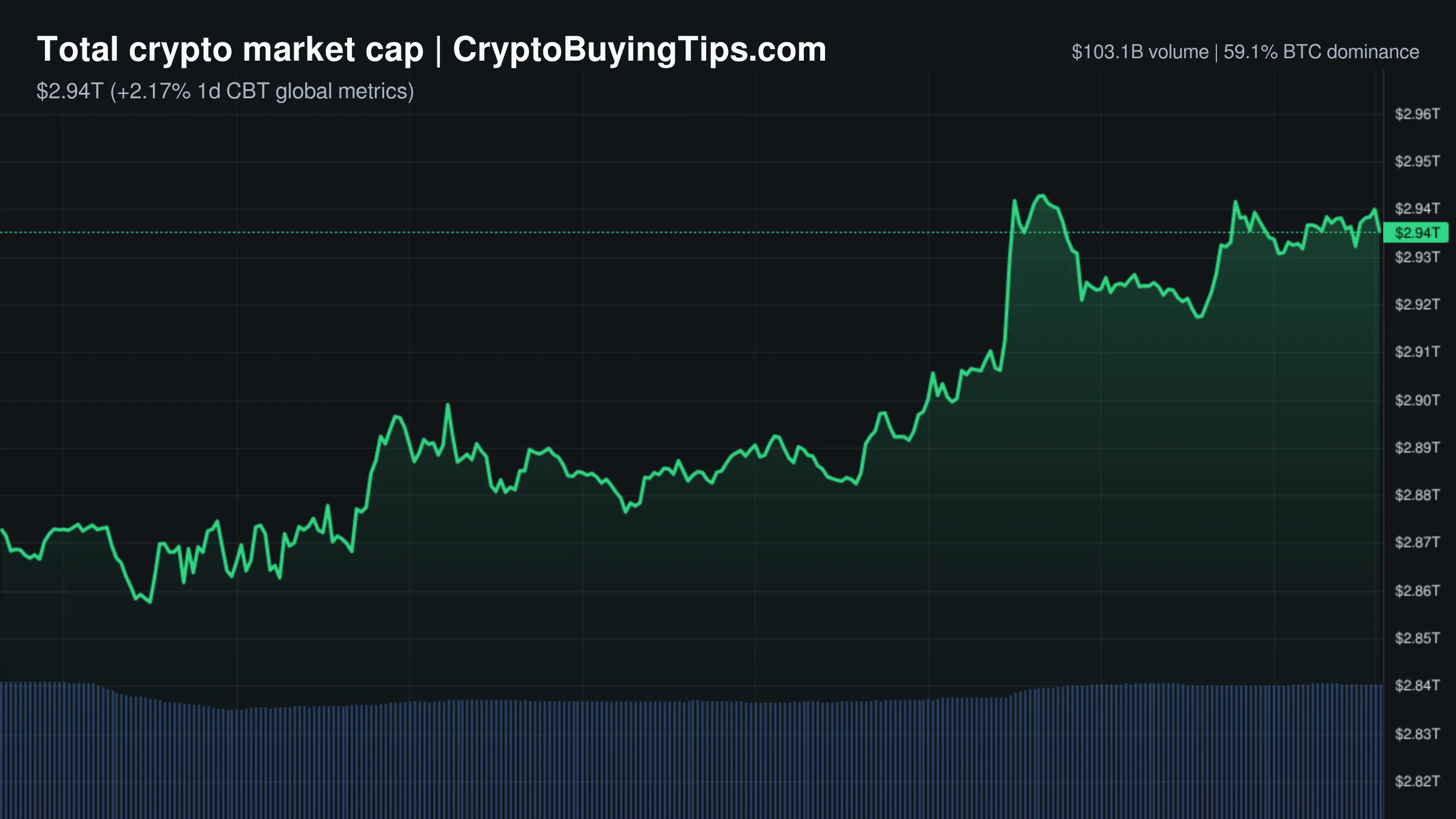
Crypto Market Overview | leverage-driven market structure amid regulatory clarity and institutional inflows | October 2, 2026
The crypto market overview shows leverage-driven structure amid regulatory clarity and institutional inflows, with BTC…

The SEC just removed the biggest barrier to institutional crypto portfolios
Another regulatory hurdle cleared; it seems institutional money was waiting for permission slips all along. The SEC's…
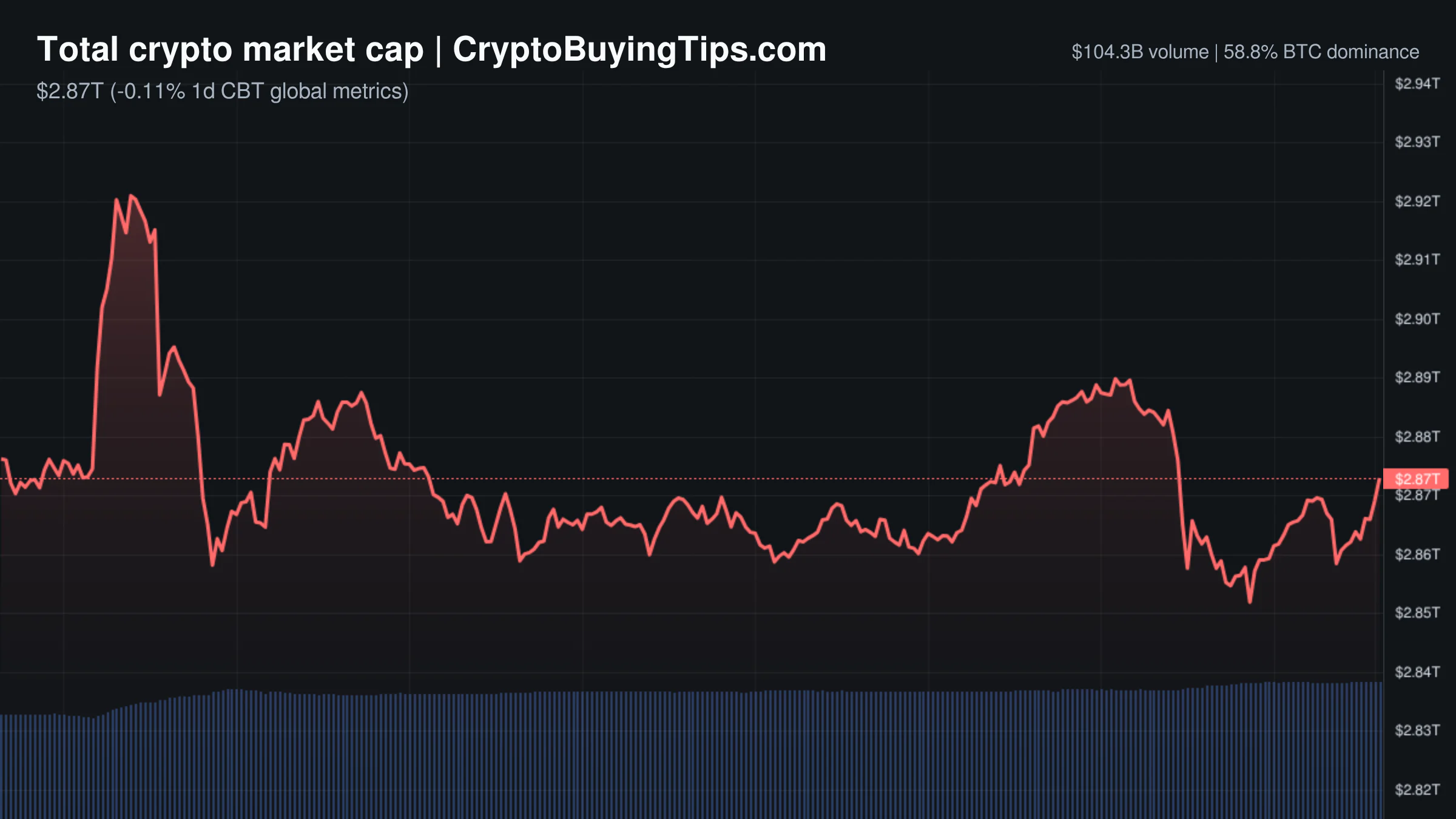
Crypto Market Overview | Volume spikes as regulatory friction meets institutional accumulation | October 1, 2026
Volume spikes as regulatory friction meets institutional accumulation in today's crypto market overview; see how high…

Ethereum gas is at 0.1 Gwei. Here is why the network feels like a ghost town
The network feels quiet enough that even a simple transaction costs pennies; this low gas price suggests subdued demand…