
Tether just froze $514 million in 30 days. Your stablecoins aren't as safe as you think
If you think holding USDT in a private wallet makes you your own bank, you need a reality check. Tether just blacklisted over $514 million in assets within a single month. It is a staggering number that proves one thing: the "decentralized" part of your portfolio is a myth if your primary asset is a centralized stablecoin. For anyone wondering can tether freeze my usdt, the answer is a resounding yes. If Tether decides your address is problematic, your funds are gone. Period.
What actually happened
The data is bleak. In the last 30 days, Tether has frozen more than half a billion dollars. This isn't a one-off glitch or a small security patch. It is an aggressive ramp-up in censorship. I've been tracking this since 2019, and while Tether has always had a blacklist function, the scale of this recent activity is different.
They aren't just targeting known hackers or massive exploits. They are acting on requests from law enforcement and regulatory bodies. When you hold USDT, you aren't holding a digital dollar. You are holding a claim on a dollar that Tether promises to give you, provided they still like you.
Why this matters for your money
Most people use USDT as a "safe haven" during market volatility. Right now, the Fear & Greed Index is sitting at 48, which is pretty neutral. The market is sideways, and Bitcoin dominance is holding strong at 60%. In this environment, people lean on stablecoins to park their capital.
But there is a massive contradiction here. We use crypto to get away from the arbitrary whims of traditional banks, yet we park our wealth in an asset managed by a company that can flip a switch and erase your balance. If the US Treasury decides a specific type of wallet or a specific region is "high risk," Tether will comply to keep their business running.
I find it ironic that we spend so much time worrying about exchange hacks while ignoring the fact that the issuer of the world's most popular stablecoin has a built-in "delete" button for your funds.
Can tether freeze my usdt and how does it work?
To understand this, you have to realize that USDT is not like Bitcoin. Bitcoin is a decentralized network. No one can tell the Bitcoin blockchain to stop a transaction. USDT, however, is a smart contract. Tether owns the keys to that contract.
They have a blacklist function written directly into the code. When they add your address to that list, any USDT at that address becomes unmovable. You still "own" the tokens in your wallet, but you can't send them, swap them, or sell them. They are essentially digital bricks.
In my experience, the biggest risk isn't that you'll suddenly become a criminal. It is the "guilt by association" risk. If you receive USDT from a source that Tether has flagged as suspicious, your own address could be caught in the crossfire.
How to actually reduce your risk
You can't make USDT decentralized, but you can change how you interact with the system. First, stop keeping your entire life savings in a single centralized stablecoin. Diversify into other assets or look into decentralized alternatives that don't have a central "off" switch.
Second, get your assets off exchanges. While a freeze happens at the contract level, exchanges add another layer of risk. If an exchange gets hacked or freezes your account, you are doubly exposed. I prefer using a hardware wallet for anything I plan to hold for more than a week. For example, the Ledger Nano Gen5 is a solid entry point because it brings a touchscreen to the budget segment, making it much harder to accidentally sign a malicious transaction. It doesn't stop Tether from freezing your USDT, but it does stop a random phishing site from draining your entire wallet.
My final take
I'm not saying you should sell all your USDT tomorrow. It is the most liquid asset in the game, and for trading, it is often the only practical choice. But we have to stop pretending that stablecoins are "money." They are IOUs from a private company.
The fact that over $500 million vanished from circulation in 30 days should be a wake-up call. The system is working exactly as Tether intended. If you want true sovereignty, you have to move away from assets that require a corporate permission slip to spend.
Trade the news at our editorial-picked exchange: MEXC
Some links in this article may be affiliate links. We may earn a commission at no extra cost to you — this never influences our analysis or coverage.

Sigrid Voss
Crypto analyst and writer covering market trends, trading strategies, and blockchain technology.
More Articles
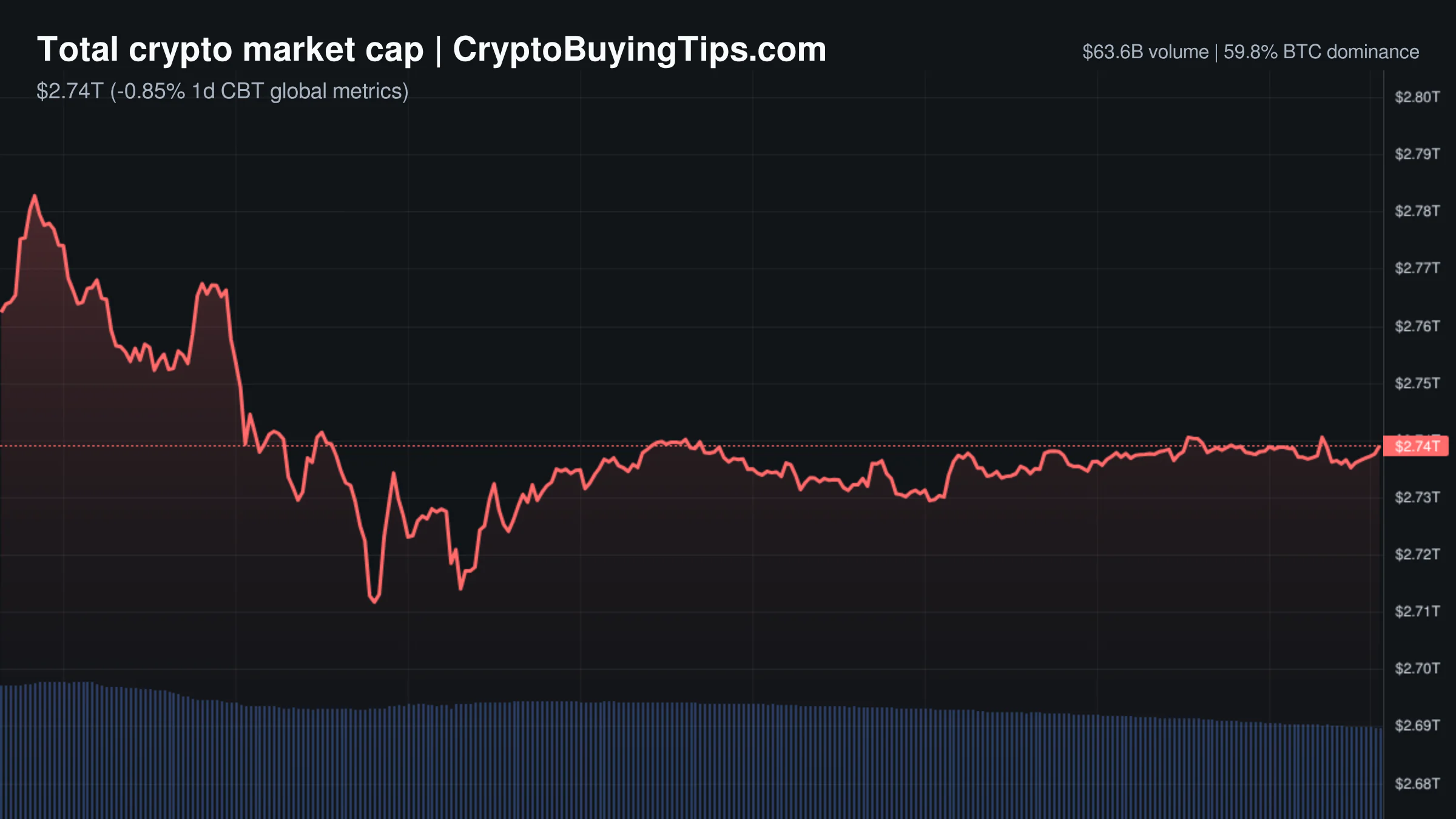
Crypto Market Overview | volume collapse amid macro pressure weighs on institutional flows | October 17, 2026
Market overview shows volume collapse amid macro pressure weighing on institutional flows; see how crypto is reacting to…

Speculators are ditching altcoins for tokenized Tesla stocks
Another day, another reason to question where all the money goes these days. Our signal scanner flagged a clear…
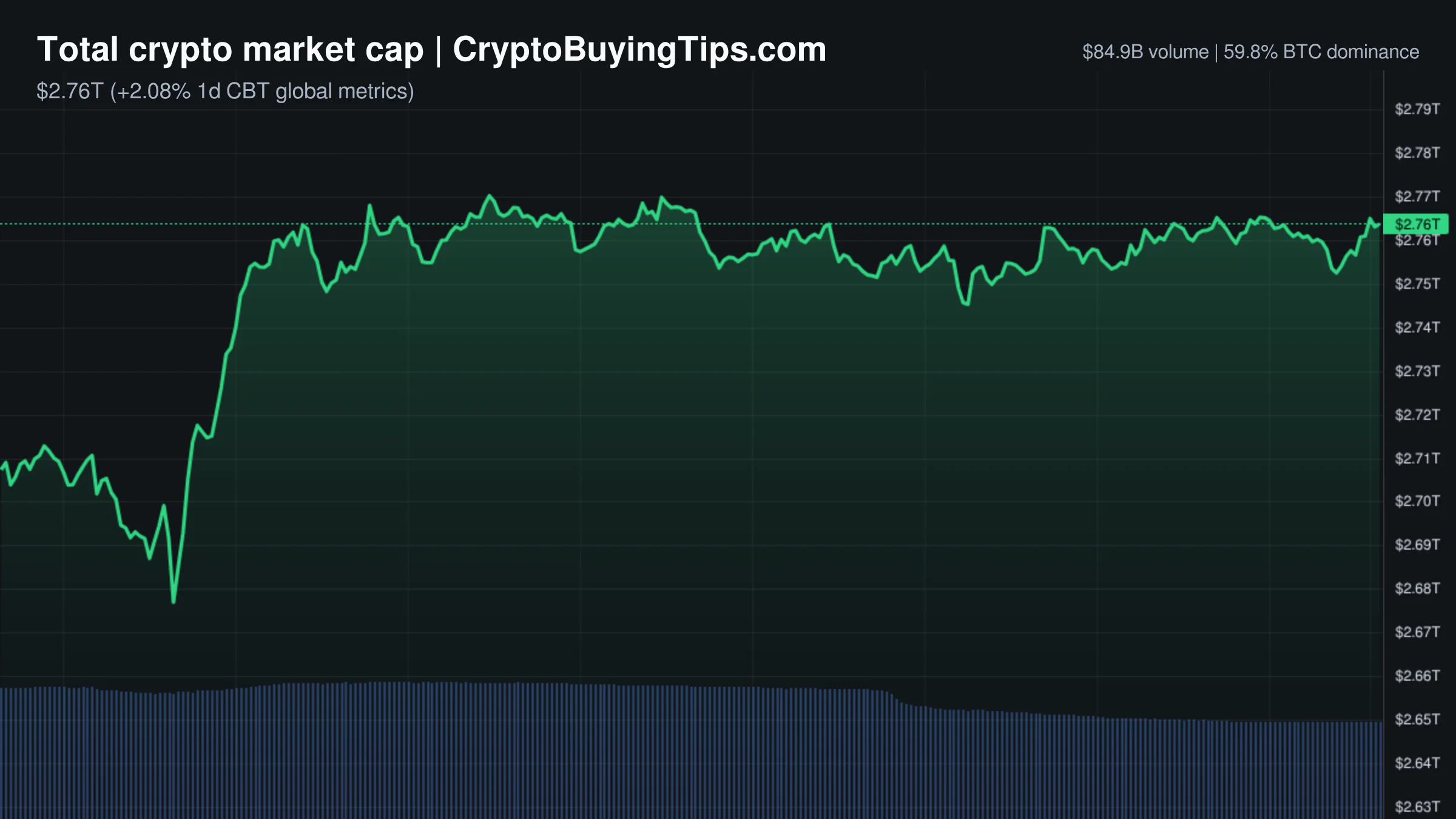
Crypto Market Overview | prices climb despite falling trading volume and stablecoin activity | October 16, 2026
Prices climb despite falling trading volume and stablecoin activity; see our market overview for context.

Wall Street is building its own rules while Congress argues
Wall Street seems to have decided waiting for Congress isn't worth the time. Major players like Mastercard are building…