

Why a $13 billion DeFi wipeout should make you rethink your strategy
I remember the first time I tried to use a lending protocol back in 2020. I was thrilled by the idea of earning 10% on my assets without a bank in the middle. But the recent $13 billion wipeout in DeFi shows that these "passive" yields often come with hidden, systemic risks that most retail investors just ignore. If you are wondering about the best way to secure defi deposits, you have to realize that security isn't just about your password or your seed phrase. It is about understanding the plumbing of the system you are putting your money into.
The short answer
The best way to secure defi deposits is to avoid "yield stacking" and move your assets into cold storage when you aren't actively trading. You should prioritize protocols with long track records and avoid any asset that relies on a chain of other derivatives to maintain its value.
How contagion actually works
Most people think a DeFi loss happens because of a hack. While hacks are bad, contagion is a different beast. It is a domino effect.
In the recent wipeout, the problem wasn't just one bad actor. It was the reliance on liquid restaking tokens and collateral chains. Here is the simplified version of how that happens. You deposit ETH into a protocol to get a receipt token (LST). Then, you take that receipt token and deposit it into another protocol like Aave to borrow more funds. Then you take those borrowed funds and buy more LSTs.
This creates a loop of leverage. If the value of that original receipt token drops even slightly, or if the protocol issuing it has a bug, the whole tower collapses. The system triggers automatic liquidations. Because everyone is using the same collateral, the selling pressure pushes the price down further, triggering more liquidations. It is a death spiral. I've seen this pattern since 2019, and it never changes. People mistake leverage for "innovation" until the music stops.
Where people get tripped up
The biggest mistake I see is the "too big to fail" mentality. Investors see billions in Total Value Locked (TVL) and assume the protocol is safe. TVL is a vanity metric. It doesn't tell you if the collateral is high quality or if it is just a bunch of recursive loans.
Another trap is the lure of high APY. If a protocol is offering 20% when the rest of the market is at 4%, they aren't being generous. They are paying you a premium to take on a risk you probably don't understand. In my experience, the moment you stop asking where the yield comes from is the moment you become the yield for someone else.
Putting it into practice
If you want to stop being a casualty of the next contagion event, you need to change how you handle your keys and your collateral.
First, stop keeping your long-term holdings in hot wallets or on exchanges. I prefer using hardware wallets because they keep the private keys offline. For most people, the Ledger Nano Gen5 is a great starting point because it brings a modern touchscreen to a budget price point while keeping the secure element chip that prevents remote hacks. It is a simple way to ensure that even if a protocol you use gets wiped out, your core holdings are safe from a direct wallet drain.
Second, audit your exposure. If you have funds in a protocol, check what is backing the asset. If it is a "wrapped" version of a "staked" version of a token, you are exposed to three different points of failure.
Finally, keep a "kill switch" plan. Know exactly at what price point or event you will pull your money out. Don't wait for the news to tell you there is a crisis. By the time the headlines hit, the liquidity is usually gone and the exit doors are jammed.
Some links in this article may be affiliate links. We may earn a commission at no extra cost to you — this never influences our analysis or coverage.

Sigrid Voss
Crypto analyst and writer covering market trends, trading strategies, and blockchain technology.
More Articles
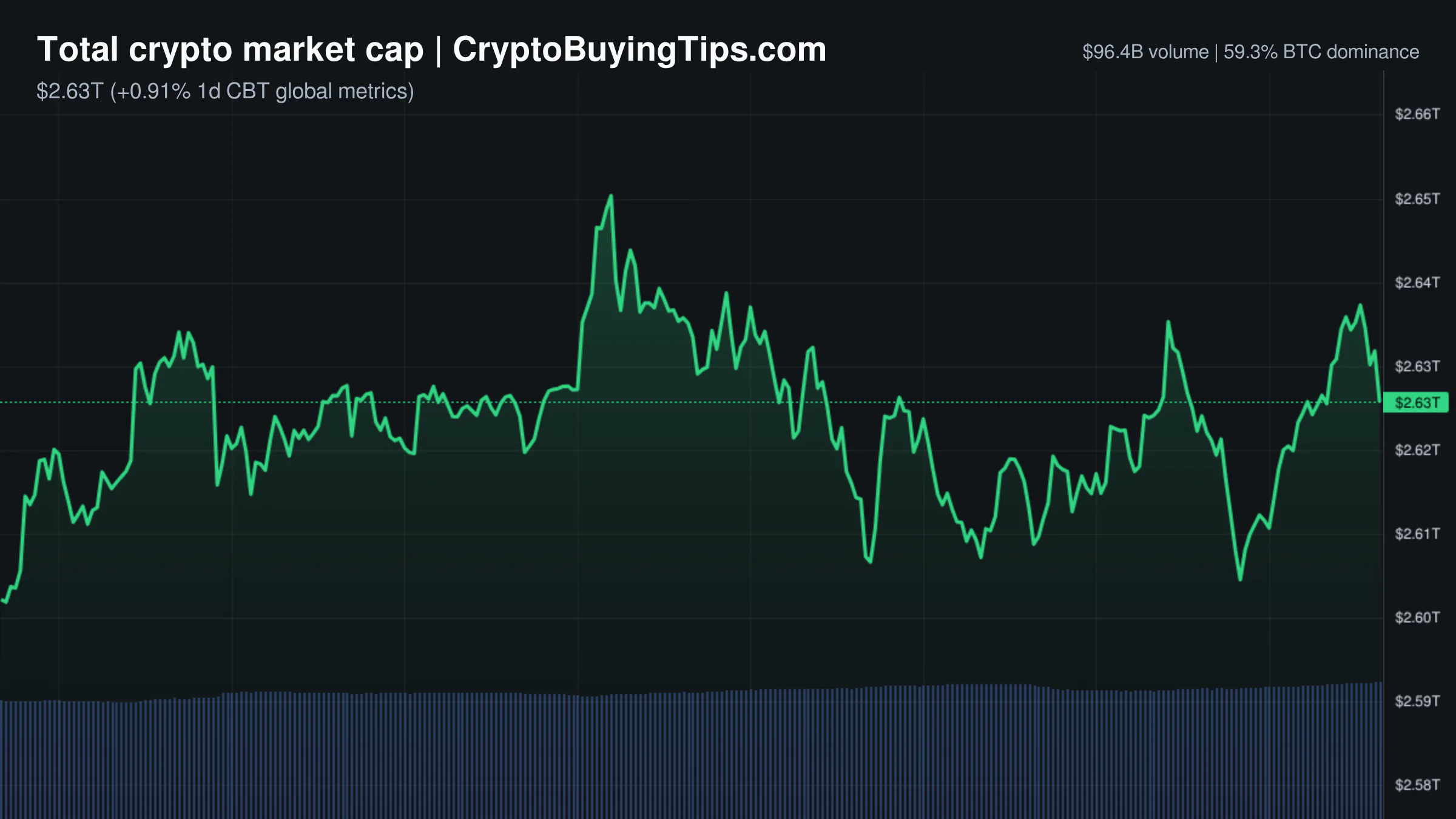
Crypto Market Overview | Leverage-driven rally amid strong ETF inflows as BTC targets 80k | August 24, 2026
Leverage-driven rally sees BTC near 80k amid strong ETF inflows; see our market overview on current crypto dynamics.

Derivatives volume is 8x higher than spot. Here is why that is a warning
The market's current price action seems to be driven by bets rather than cash; with derivatives volume eight times…
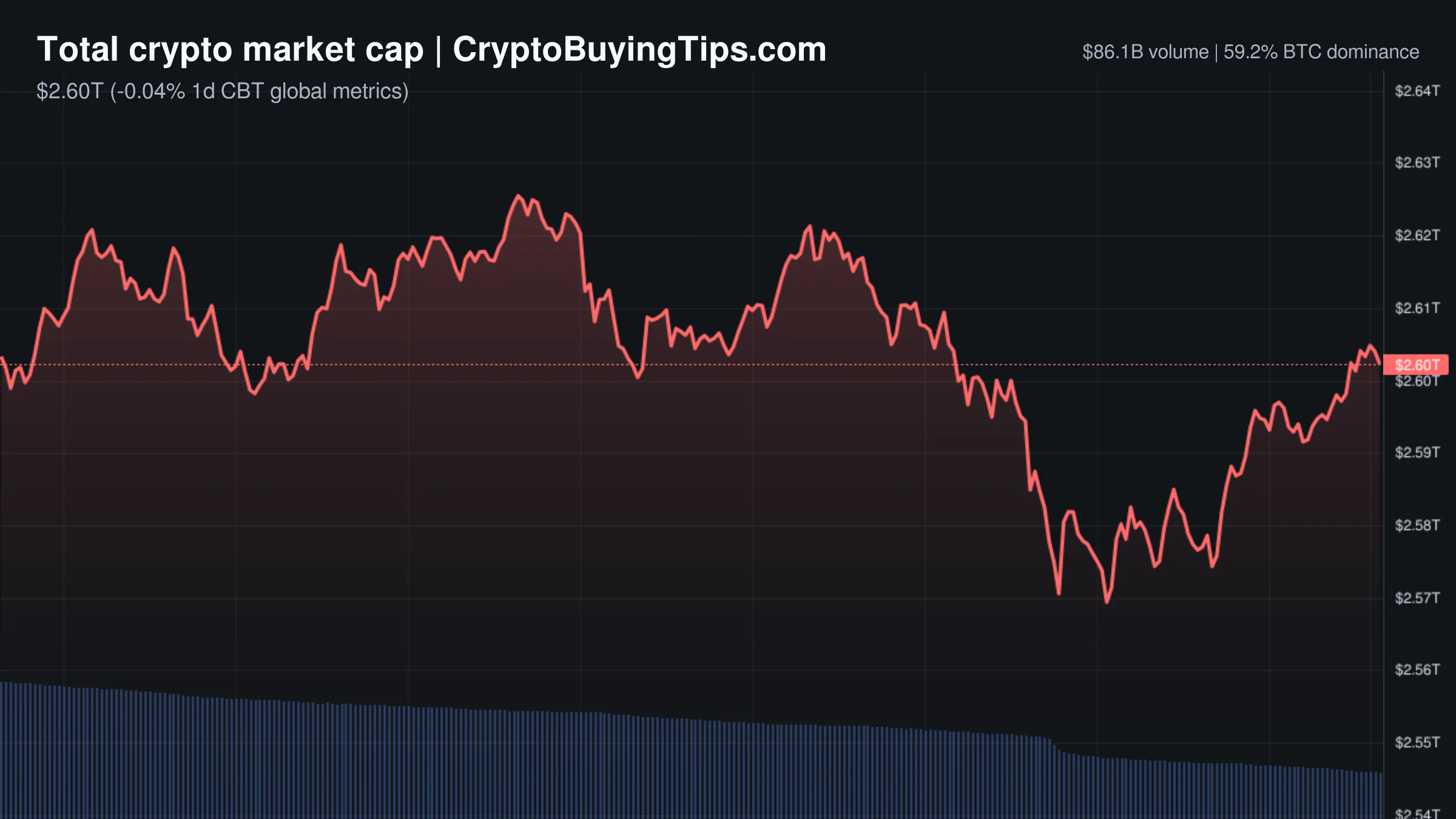
Crypto Market Overview | volume collapses as greed persists amid regulatory friction | August 23, 2026
Volume collapses as greed persists amid regulatory friction; see our market overview on crypto's current state and key…

Brussels is coming for DeFi vaults and the market is ignoring the risk
Brussels seems to think "decentralized" is just an aesthetic choice for now. Our read suggests MiCA regulation isn't…