

Why Vitalik wants Ethereum to survive even if its developers disappear
Most people treat Ethereum like a piece of software that needs a constant stream of updates to stay relevant. We get used to the cycle of hard forks, EIPs, and roadmap pivots. But Vitalik Buterin is asking a much more uncomfortable question: what happens if the people running the show just stop showing up? If you've spent any time in this space, you've probably heard of the "walkaway test," and understanding what is ethereum walkaway test is essentially about figuring out if a network is actually decentralized or if it's just a fancy company with a distributed database.
The short answer
The walkaway test is a theoretical benchmark to see if a blockchain can continue to function, secure itself, and evolve without any coordinated effort from its original founders or core developers. If the developers "walk away" and the network keeps humming along without collapsing or freezing, it passes.
How it actually works
In my experience, most people confuse decentralization of nodes with decentralization of governance. You can have ten thousand nodes running Ethereum, but if every single one of them is waiting for a specific group of developers to tell them which software version to install, you don't have a decentralized system. You have a dependency.
Vitalik's push for the walkaway test is about breaking that dependency. He wants the protocol to reach a state where the rules are so clear, and the community's ability to maintain the system is so broad, that the "core team" becomes an optional luxury rather than a single point of failure.
This involves a few technical and social layers:
- Quantum resistance: If a quantum computer suddenly makes current encryption obsolete, the network needs a way to migrate or protect itself without needing a "savior" developer to write a patch in a panic.
- Social consensus: The ability for the community to agree on a path forward based on a set of shared principles, rather than following a charismatic leader.
- Sovereign infrastructure: Ensuring the tools used to build and run the network aren't owned by a few entities that could pull the plug.
Where people get tripped up
The biggest misconception I see is the idea that "no developers" means "no updates." That's not the goal. The goal is that the capacity to update the network is distributed.
I've watched a lot of projects launch with "community-led" branding, only for the whole thing to crash the moment the lead dev got bored or faced legal pressure. That's a failed walkaway test. When a project relies on a few "genius" architects to keep the lights on, it's not a protocol, it's a startup.
Another point of confusion is the difference between a "frozen" network and a "dead" one. A network that passes the walkaway test might not evolve as fast, but it remains secure and functional. For someone who values the "money" aspect of programmable money, a boring, stable network is infinitely better than a cutting-edge one that disappears because a developer's laptop was stolen.
Putting it into practice
You can't "do" a walkaway test as a retail user, but you can change how you evaluate the projects you hold. Stop looking at the roadmap and start looking at the contributor list. If 90% of the code is written by three people, that project is a gamble on those three people's health and mood.
For me, this is why I've always been a proponent of self-custody. If you're worried about the fragility of the systems we use, the first step is making sure you aren't relying on a centralized exchange to hold your keys. I personally use the Ledger Nano Gen5 because it gives me a secure way to hold my assets without needing to trust a third party. It's the individual version of the walkaway test: if the exchange goes bust, do I still have my money?
If you're analyzing a new protocol, ask yourself: if the founders were banned from the internet tomorrow, would this token still have a function? If the answer is no, you're not investing in a decentralized network. You're just betting on a team.
Related Tickers
Some links in this article may be affiliate links. We may earn a commission at no extra cost to you — this never influences our analysis or coverage.

Sigrid Voss
Crypto analyst and writer covering market trends, trading strategies, and blockchain technology.
More Articles
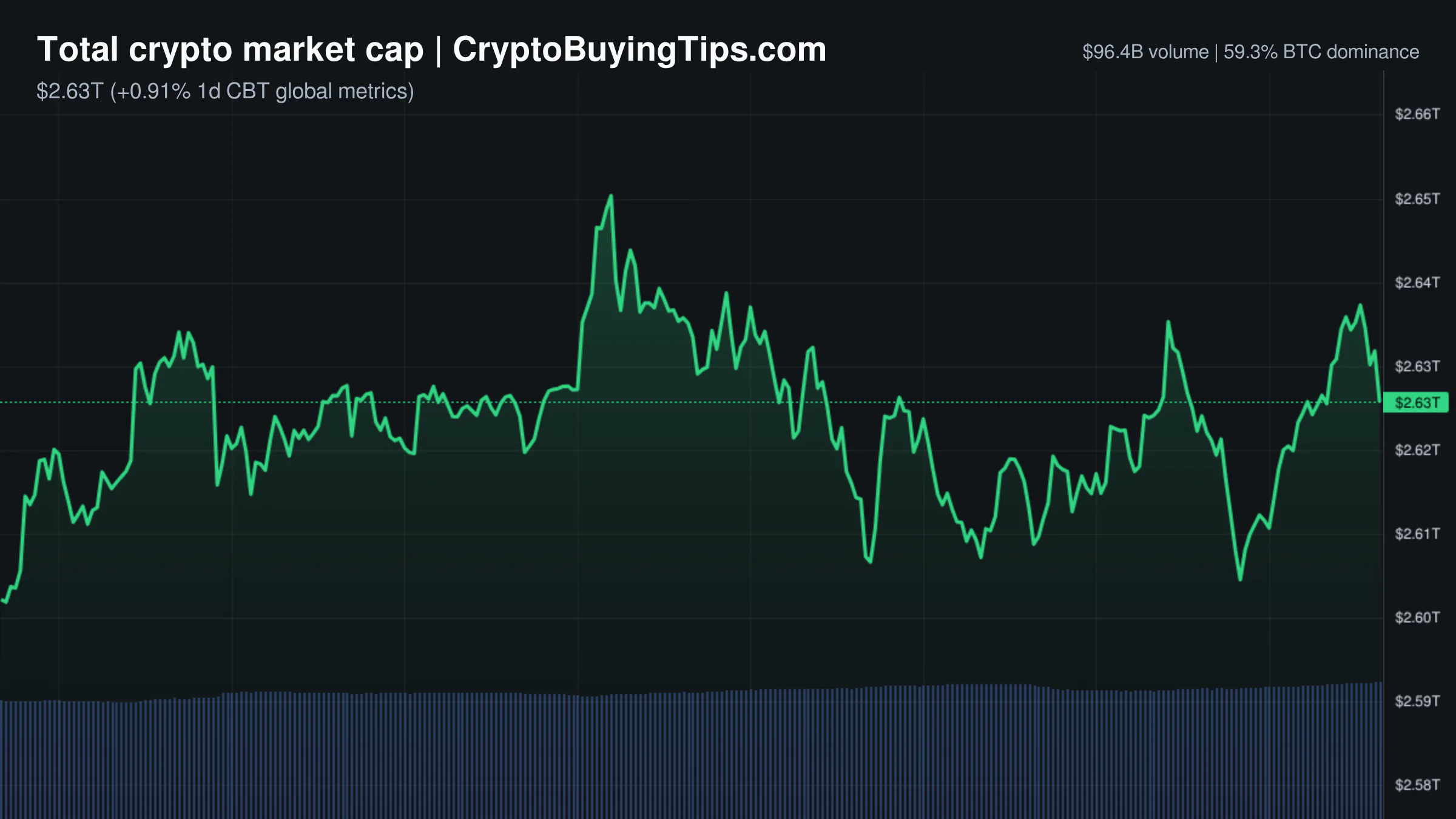
Crypto Market Overview | Leverage-driven rally amid strong ETF inflows as BTC targets 80k | August 24, 2026
Leverage-driven rally sees BTC near 80k amid strong ETF inflows; see our market overview on current crypto dynamics.

Derivatives volume is 8x higher than spot. Here is why that is a warning
The market's current price action seems to be driven by bets rather than cash; with derivatives volume eight times…
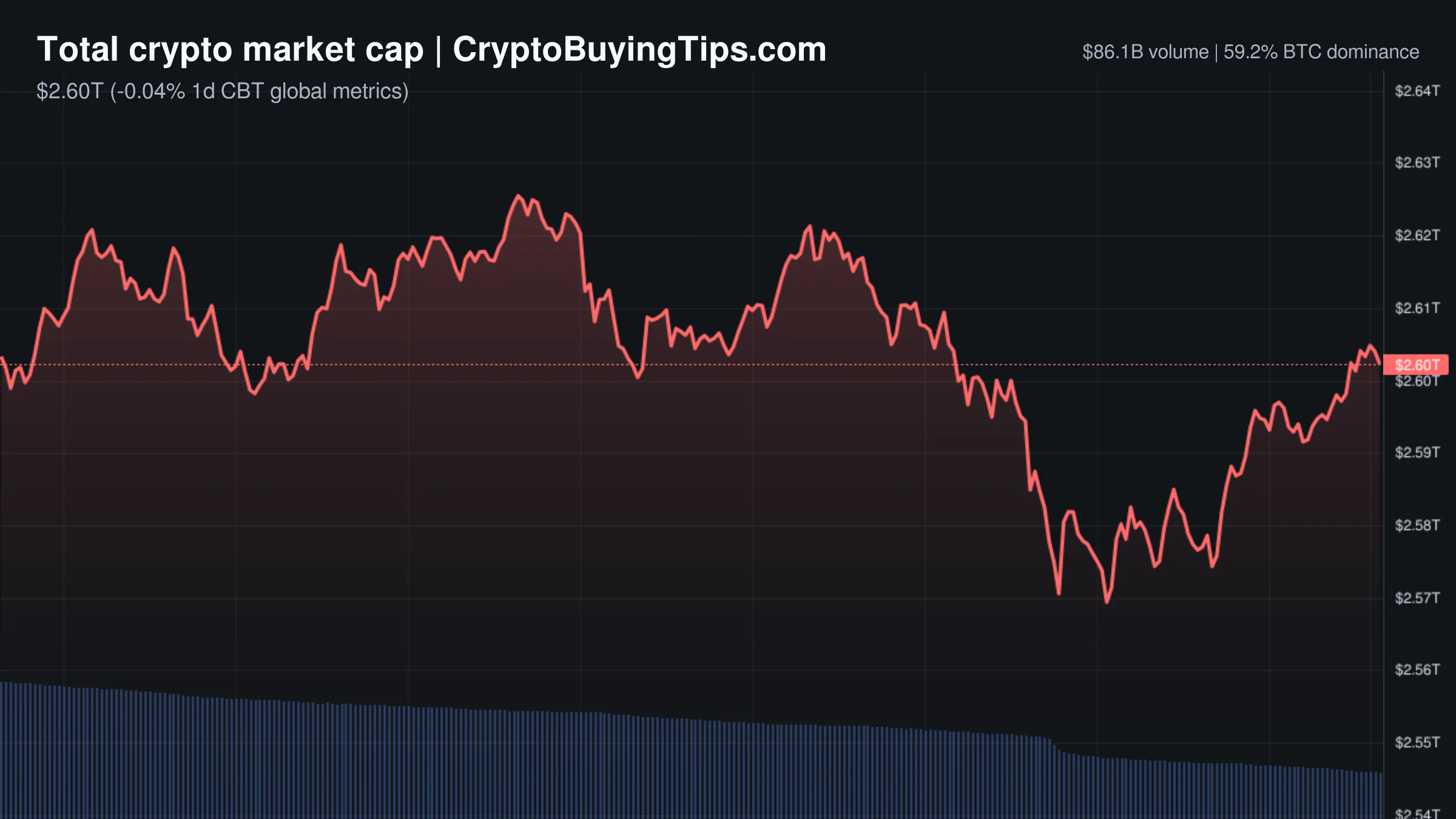
Crypto Market Overview | volume collapses as greed persists amid regulatory friction | August 23, 2026
Volume collapses as greed persists amid regulatory friction; see our market overview on crypto's current state and key…

Brussels is coming for DeFi vaults and the market is ignoring the risk
Brussels seems to think "decentralized" is just an aesthetic choice for now. Our read suggests MiCA regulation isn't…