
A quantum attack just broke a Bitcoin key. Should you be worried?
I've spent the last few years watching the market obsess over ETF inflows and whether the Fed is actually going to cut rates, but a technical event just happened that should make every long-term holder stop and think. A researcher managed to break a 15-bit elliptic curve key using a quantum computer. Now, before you panic and dump your bags, let's be clear: 15 bits is a tiny fraction of the 256-bit security Bitcoin uses. But it's the principle that matters. We are no longer talking about "if" quantum computers can crack encryption, but "when." If you're looking for the best quantum proof wallets for crypto, you'll find that the industry is still playing catch-up to the hardware.
What actually happened
The researcher used a quantum processor to solve the discrete logarithm problem for a small elliptic curve key. In plain English, they found the private key that matches a public key. Bitcoin uses the Elliptic Curve Digital Signature Algorithm (ECDSA). The whole point of this math is that it's easy to go one way (private key to public key) but nearly impossible to go backward.
A quantum computer using Shor's algorithm changes the math. It can find that private key exponentially faster than any classical computer ever could. While breaking a 15-bit key is a "proof of concept," it confirms that the theoretical threat is now a physical reality.
Why this is a problem for your BTC
Most of us think our coins are safe because we have a seed phrase. But the vulnerability isn't in your seed phrase, it's in the public key.
There are two types of addresses in Bitcoin. There are "hashed" addresses, where your public key is hidden until you spend from it. These are relatively safe for now. Then there are "reused" addresses or older P2PK addresses where the public key is already known to the network. If a quantum computer can see a public key and derive the private key, any funds sitting in those addresses are essentially gone.
I've followed this since 2019, and the most concerning part is the "harvest now, decrypt later" strategy. State actors could be saving encrypted data today, waiting for the day their quantum hardware is powerful enough to unlock it.
The search for quantum resistance
If you're wondering about the best quantum proof wallets for crypto, the honest answer is that we aren't there yet. Most hardware wallets today protect you from remote hacks and phishing, but they don't change the underlying math of the blockchain.
I still recommend using a hardware wallet to keep your keys offline, but you need to understand that a Ledger isn't a magic shield against a quantum-level attack on the network itself. For example, I use the Ledger Stax because the E Ink screen and Transaction Check technology make it easy to spot DeFi scams before I sign them. It's a great tool for current threats, but it's still using the same ECDSA math that quantum computers target.
What I'm watching next
I'm not calling for a market crash, but I am watching for two things. First, I'm looking for a formal proposal for a "quantum-resistant" soft fork of Bitcoin. This would involve moving to new signature schemes, like Lamport signatures or other post-quantum cryptography.
Second, I'm watching the "dormant" coins. There are millions of BTC from the early days of the network sitting in old addresses. If a quantum attack happens, those coins will be the first targets. If we suddenly see a massive move from a Satoshi-era wallet that hasn't budged in 15 years, it might not be a whale waking up. It might be a quantum computer.
For now, the best thing you can do is stop reusing addresses. Every time you generate a new address for a transaction, you're adding a layer of protection by keeping your public key hidden. It's a small habit, but in a world where the math is shifting, it's the only real defense we have until the developers find a permanent fix.
Some links in this article may be affiliate links. We may earn a commission at no extra cost to you — this never influences our analysis or coverage.

Sigrid Voss
Crypto analyst and writer covering market trends, trading strategies, and blockchain technology.
More Articles
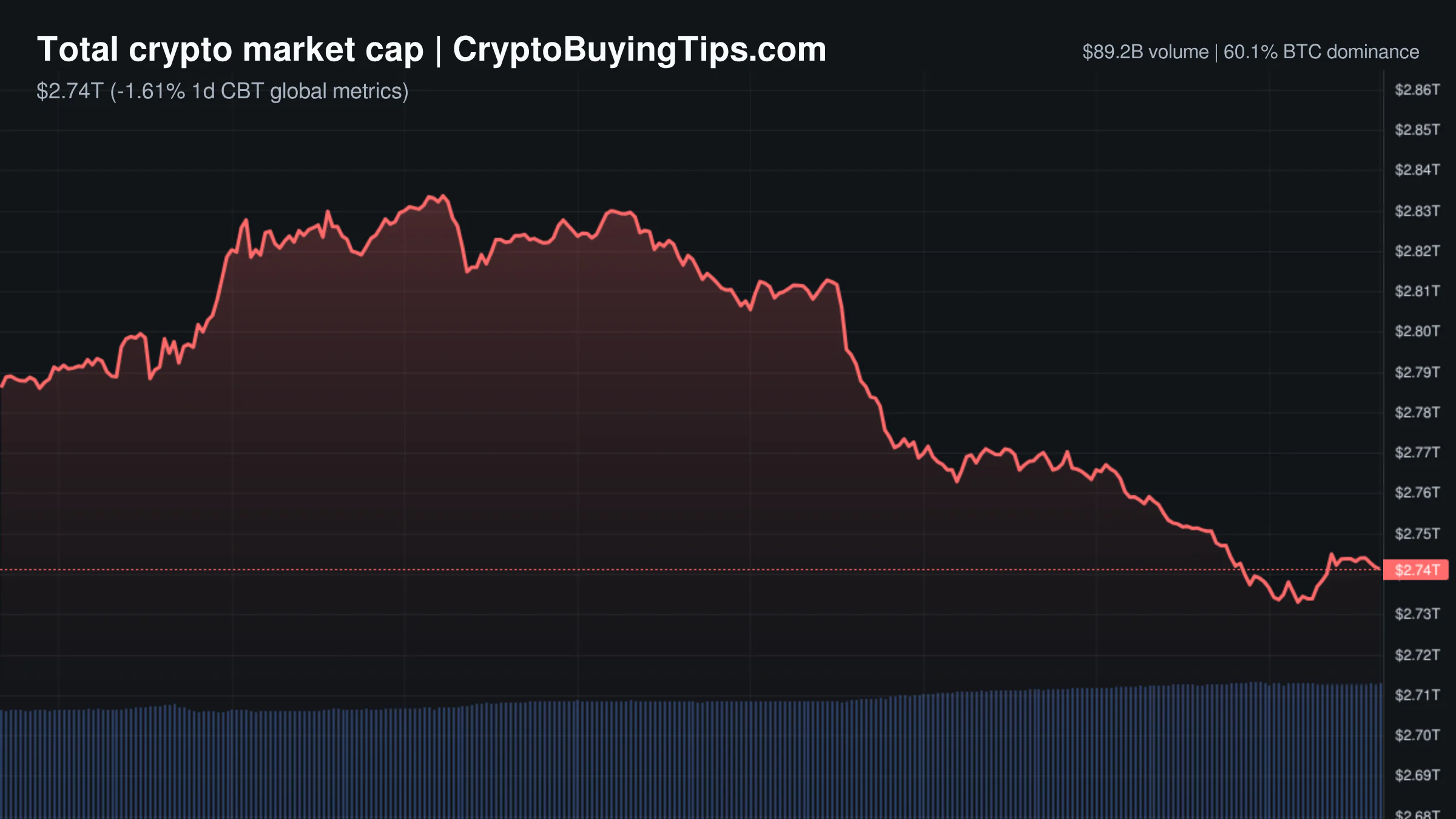
Crypto Market Overview | Leveraged bets surge amid regulatory clarity and institutional inflows | October 22, 2026
The market shows divergence between spot interest and leveraged bets amid regulatory clarity; see our overview here.
Volume is surging but prices are flat. Here is where the trigger is
Volume spikes while prices remain stubbornly flat; this divergence suggests an underlying battle between leveraged…
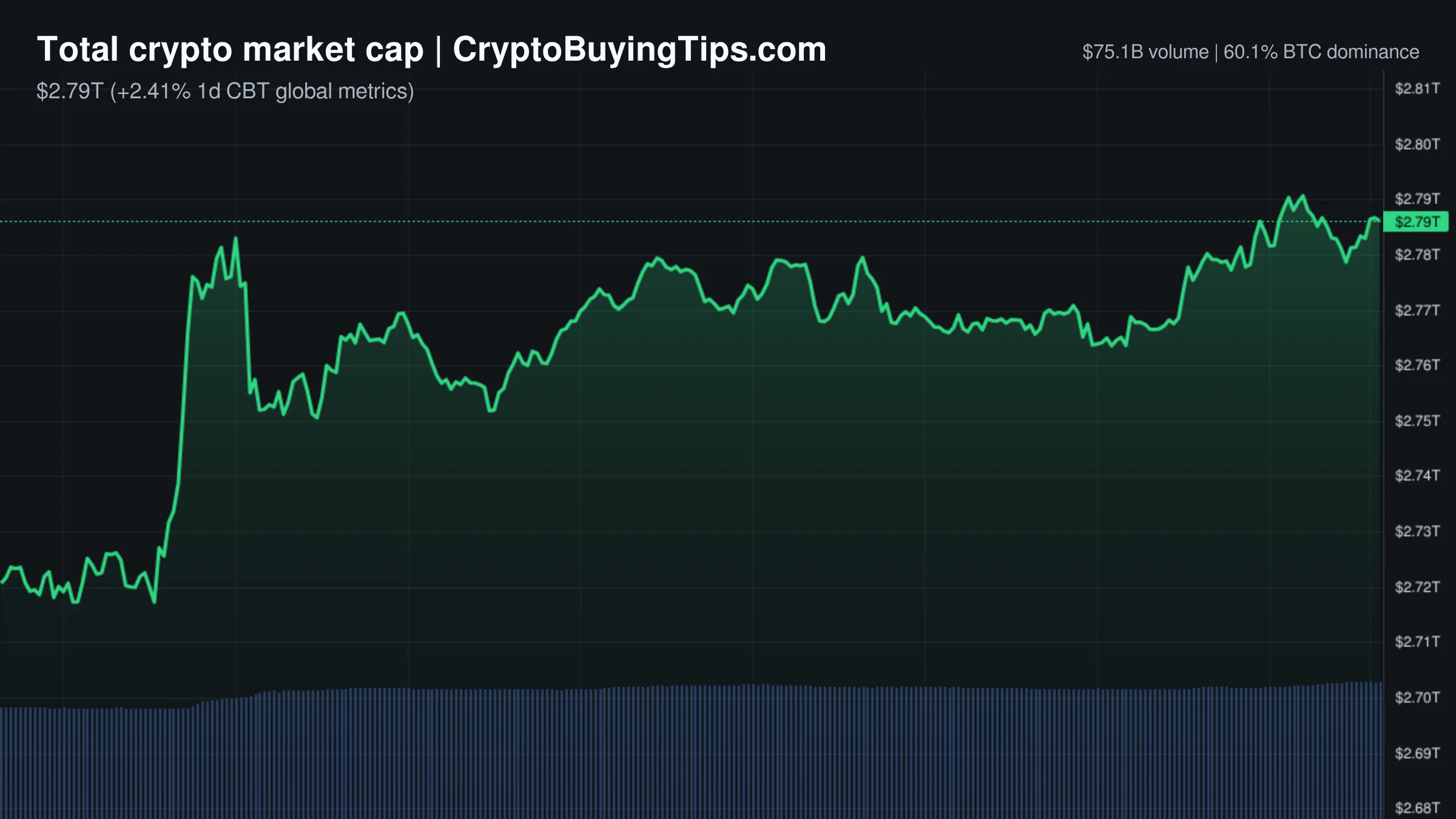
Crypto Market Overview | Leveraged speculation drives gains amid European regulatory uncertainty | October 21, 2026
Leveraged speculation drives crypto gains amid European regulatory uncertainty; see our market overview on BTC and ETH…

Compound is up 21% and DeFi volume is surging. The rotation is here
The market is behaving with all the excitement of an accountant's quarterly report, but DeFi primitives are showing…