

Aave is spending $200 million to fix a bad debt crisis. Is DeFi actually safe?
I've been following the Aave ecosystem for a while, and seeing them commit $200 million to cover "bad debt" is a bit of a wake-up call. For those who aren't deep in the weeds, bad debt happens when a borrower's collateral drops in value so fast that the protocol can't liquidate it quickly enough to pay back the lender. Suddenly, the protocol owes money it doesn't have. In this case, the mess was triggered by the Kelp DAO exploit, which wiped out $292 million and left a trail of toxic assets in its wake. If you're wondering about the best way to recover funds from defi hack scenarios, the reality is that you're usually relying on the protocol's "Safety Module" or a treasury bailout, which is exactly what's happening here.
What actually happened
The trigger was the Kelp DAO exploit. When that protocol lost nearly $300 million, the liquid staking tokens (LSTs) tied to it became essentially worthless or highly illiquid. Because Aave allows users to use these tokens as collateral to borrow other assets, the system ended up with loans backed by "trash" that couldn't be sold to cover the debt.
Aave is now using its reserves to plug a $200 million hole. This isn't a "hack" of Aave itself, but it's a systemic failure. The protocol is acting as the insurer of last resort. They are essentially paying the bill for a failure that happened elsewhere in the DeFi lego stack.
Why this is a problem for the "safe" money
I've always been skeptical of the phrase "risk-free yield." This situation proves that in DeFi, you aren't just taking on the risk of the protocol you use, but the risk of every single asset that the protocol accepts as collateral.
If Aave accepts a token from a project like Kelp DAO, and that project fails, the lenders on Aave are the ones who potentially feel the heat. The only reason we aren't seeing a total collapse here is that Aave has a massive treasury. But that leads to a bigger question: what happens when the bad debt is larger than the treasury?
The reality of recovering funds
When people ask me about the best way to recover funds from defi hack events, I have to be honest: there is no magic button. Unlike a bank where you might have government insurance, DeFi is a "code is law" environment. If the code allows a bad asset to stay in the system, the system absorbs the loss.
Your only real protections are:
- The protocol's Safety Module (which AAVE holders contribute to).
- The treasury reserves.
- The hope that the protocol team can negotiate a deal with the hacker.
In my experience, the most effective way to protect yourself isn't by finding a recovery tool after the fact, but by removing the risk entirely. I don't keep my long-term holdings on any exchange or in any lending protocol. I use a Ledger Nano Gen5 because it's an entry-level hardware signer that keeps my private keys offline. It's a lot easier to sleep at night knowing my ETH is in a secure element chip rather than sitting in a smart contract that might suddenly develop $200 million in bad debt.
Where I land on DeFi safety
I'm not saying you should abandon DeFi. The tech is genuinely impressive, and the efficiency of automated lending is a huge leap over traditional banking. But we need to stop pretending that "diversification" in DeFi is real. Most of these protocols are interconnected. When one big piece of the puzzle like Kelp DAO breaks, the vibrations are felt everywhere.
I think Aave is doing the right thing by stepping up to fix the debt. It preserves trust in the system. But it also proves that the "decentralized" dream still relies on a central treasury to bail everyone out when things go south. It's a bit too similar to the 2008 banking crisis for my liking, where the system is "too big to fail," so the treasury has to step in.
If you're using DeFi, stop looking at the APY and start looking at the collateral. If a protocol accepts a dozen different obscure tokens as collateral, you aren't just betting on that protocol. You're betting on every single one of those tokens not crashing to zero tomorrow.
Some links in this article may be affiliate links. We may earn a commission at no extra cost to you — this never influences our analysis or coverage.

Sigrid Voss
Crypto analyst and writer covering market trends, trading strategies, and blockchain technology.
More Articles
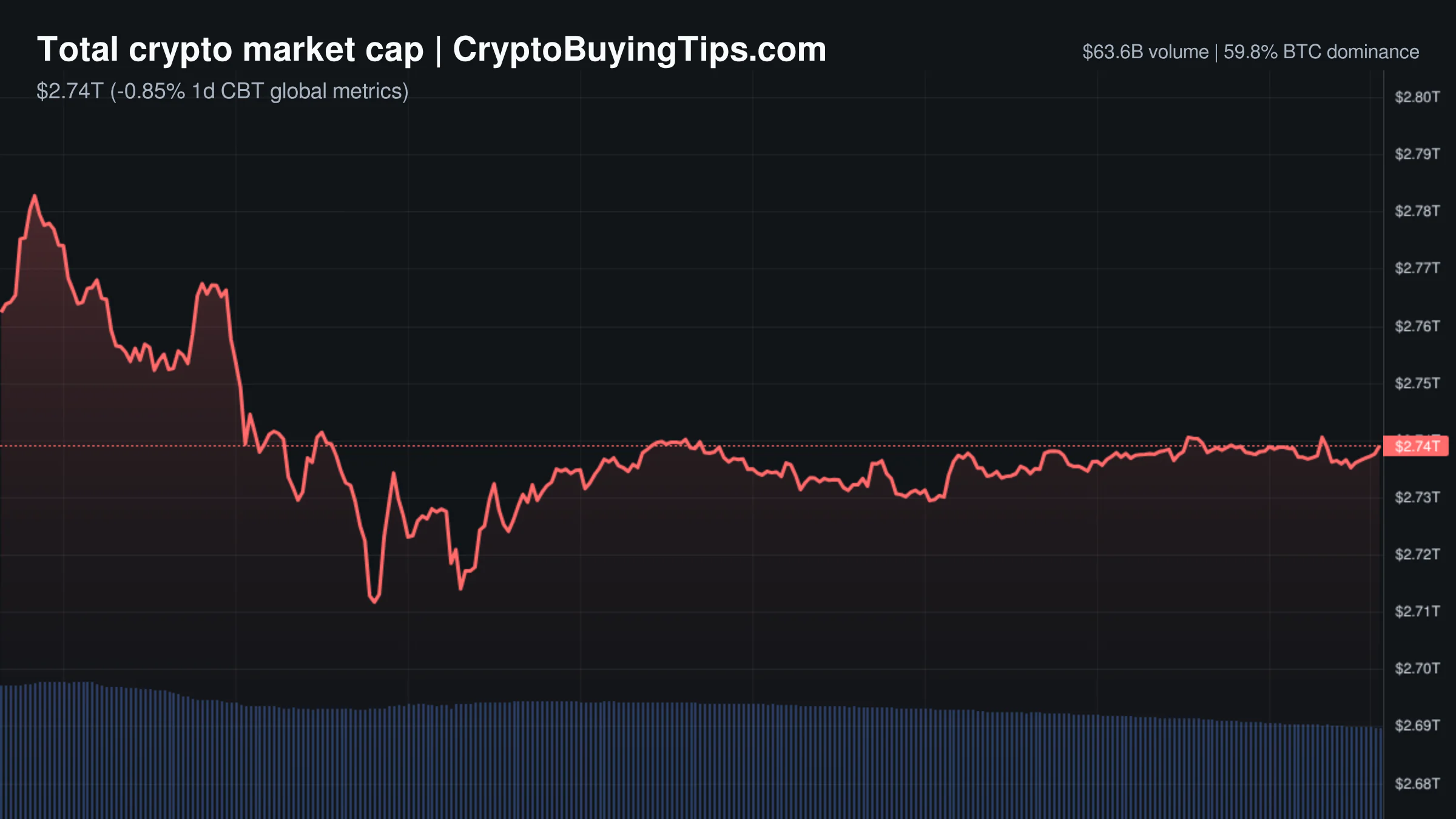
Crypto Market Overview | volume collapse amid macro pressure weighs on institutional flows | October 17, 2026
Market overview shows volume collapse amid macro pressure weighing on institutional flows; see how crypto is reacting to…

Speculators are ditching altcoins for tokenized Tesla stocks
Another day, another reason to question where all the money goes these days. Our signal scanner flagged a clear…
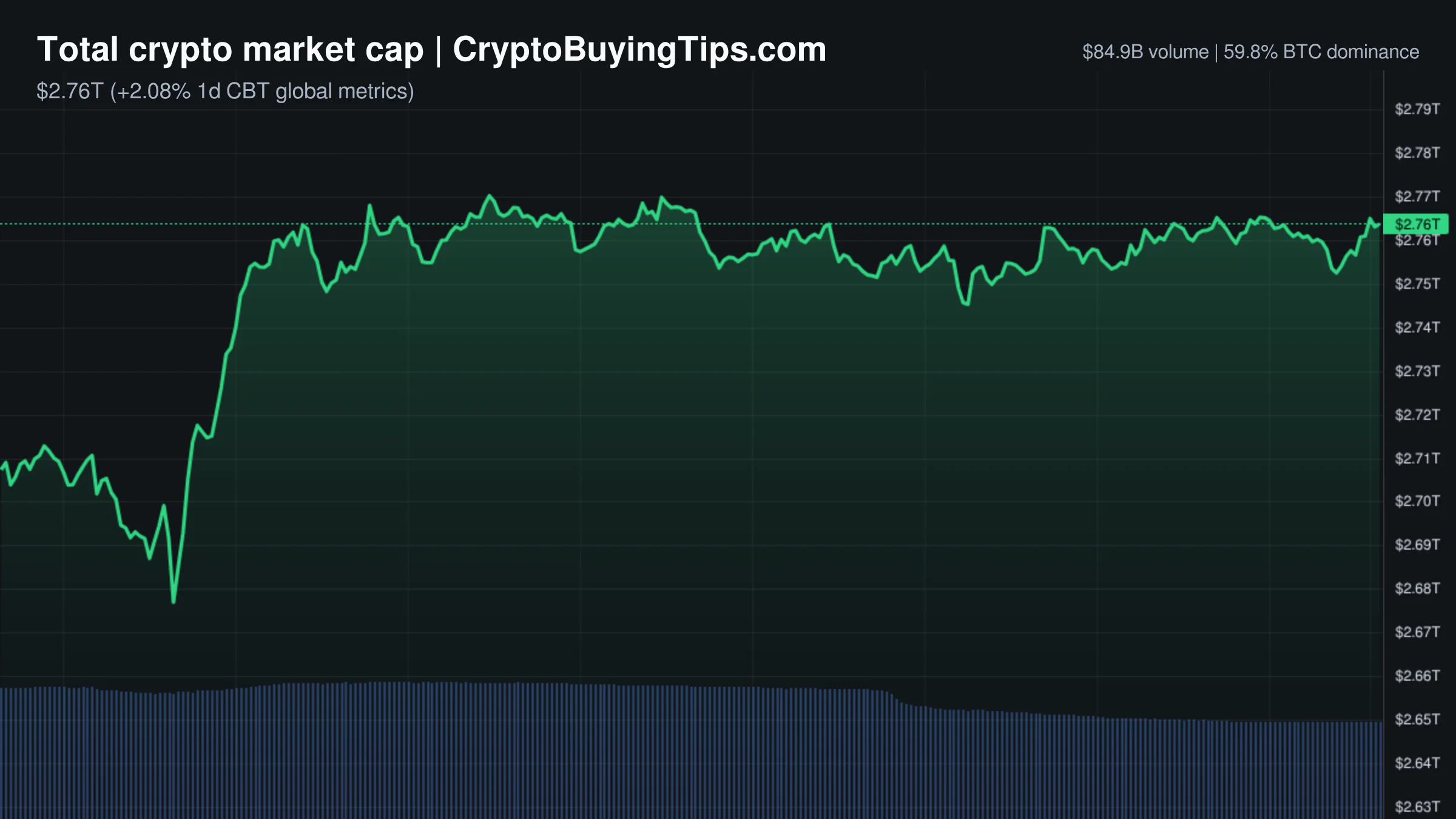
Crypto Market Overview | prices climb despite falling trading volume and stablecoin activity | October 16, 2026
Prices climb despite falling trading volume and stablecoin activity; see our market overview for context.

Wall Street is building its own rules while Congress argues
Wall Street seems to have decided waiting for Congress isn't worth the time. Major players like Mastercard are building…